Ny Carlsberg Glyptotek
Copenhagen, Denmark
Ny Carlsberg Glyptotek History Overview
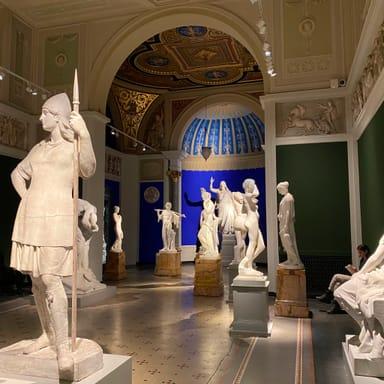
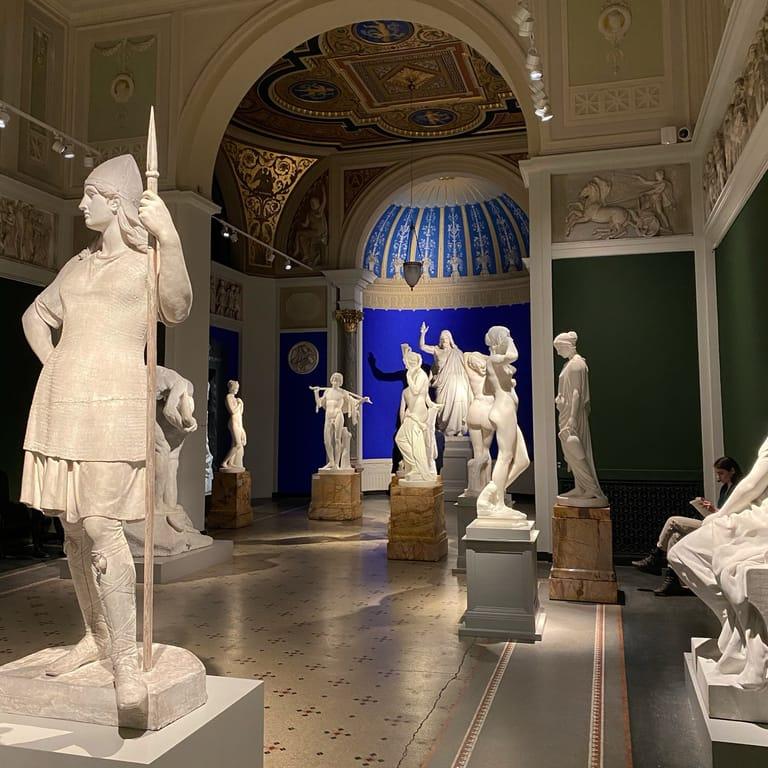
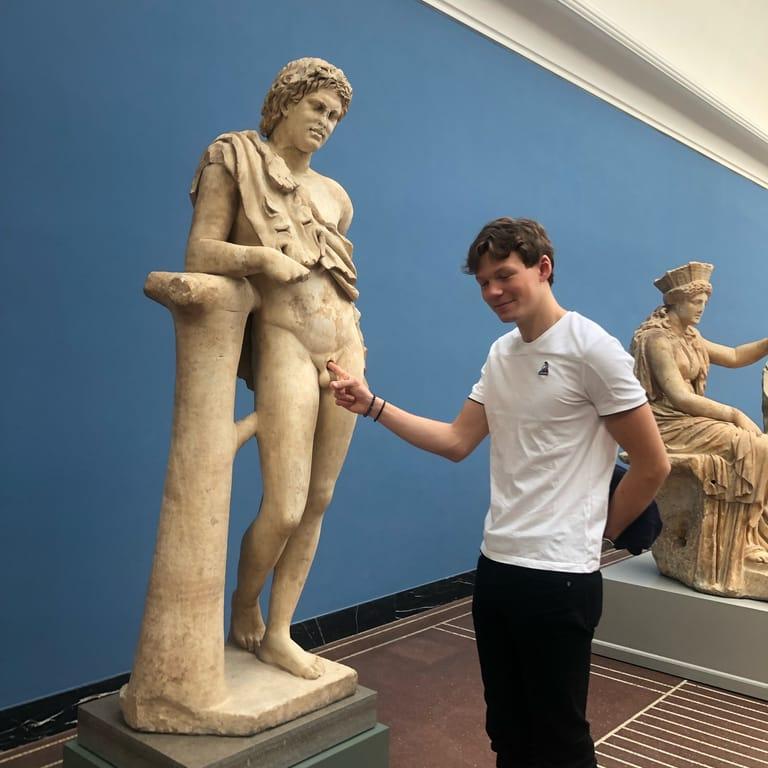
Nestled in the heart of Copenhagen at Dantes Plads 7, the Ny Carlsberg Glyptotek stands as a remarkable beacon of art and culture with a rich historical legacy. Founded in 1888 by Carl Jacobsen , the visionary son of the Carlsberg Breweries founder, this museum was created to showcase an impressive collection of over 10,000 art pieces. It uniquely blends ancient Mediterranean sculptures with exquisite 19th-century French and Danish artworks, making it a cultural treasure trove for art enthusiasts worldwide.
Founding and Early Vision
The inception of Ny Carlsberg Glyptotek in 1888 marked a significant cultural milestone in Copenhagen. Carl Jacobsen's passion for art and antiquities inspired the museum’s foundation, focusing on collecting and preserving sculptures from ancient Mediterranean civilizations alongside contemporary works from France and Denmark.
Expansion and Architectural Developments
In 1996, the museum underwent a significant expansion with the addition of the Henning Larsen Wing, which enhanced the exhibition space and modernized facilities. This expansion reflects the museum’s commitment to evolving while preserving its historical roots.
A decade later, in 2006, Ny Carlsberg Glyptotek experienced a major renovation led by renowned architects Dissing + Weitling and Bonde Ljungar Arkitekter MAA. This renovation integrated contemporary design elements while respecting the museum’s classical architecture, creating a harmonious blend that enhances the visitor experience.
A Cultural Gem in Copenhagen
Today, the Ny Carlsberg Glyptotek is celebrated as one of Copenhagen’s premier museums, admired for its carefully curated collection that spans thousands of years and diverse cultures. Visitors can admire iconic sculptures, paintings, and unique artifacts that provide a deep dive into Mediterranean antiquity and 19th-century artistic movements.
- 1888: Museum founded by Carl Jacobsen.
- 1996: Museum expanded with the Henning Larsen Wing.
- 2006: Major renovation under Dissing + Weitling and Bonde Ljungar Arkitekter MAA.
Ny Carlsberg Glyptotek at a glance
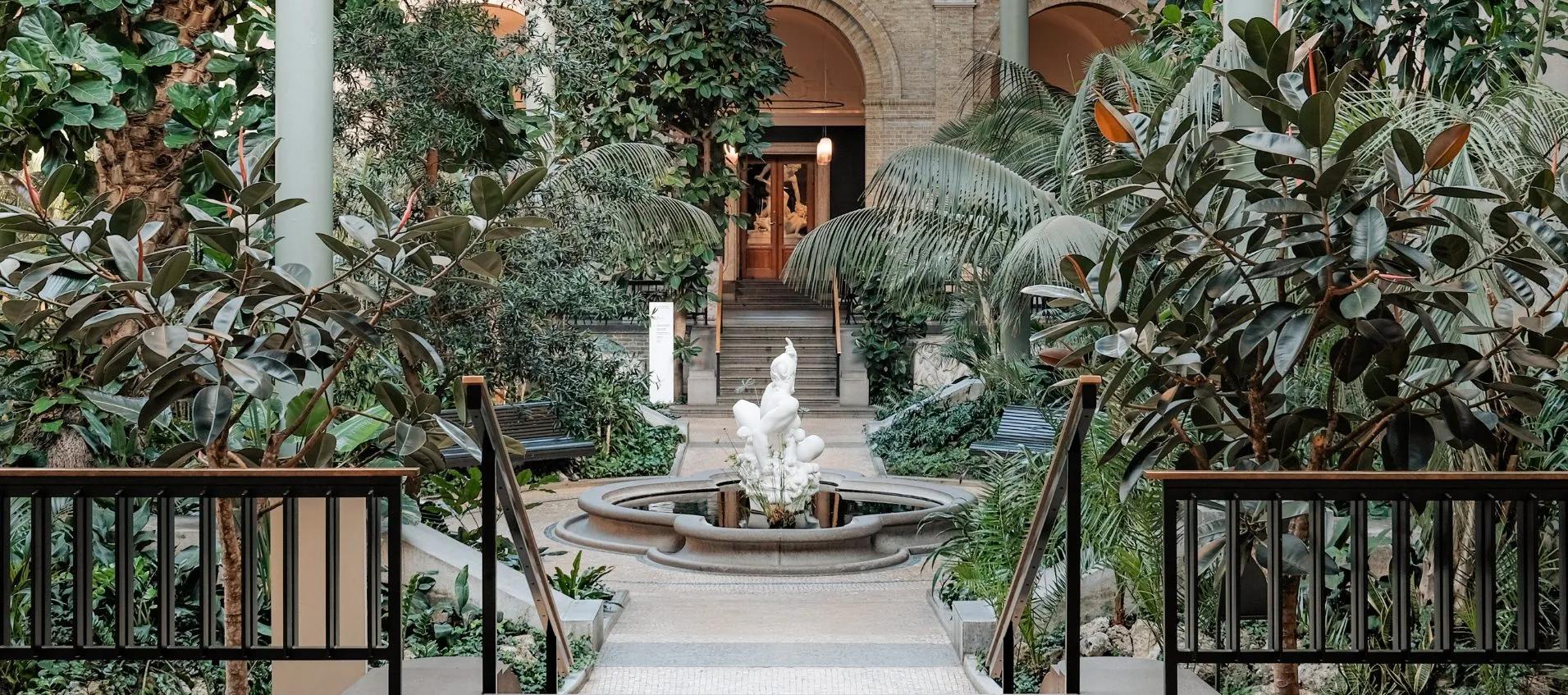
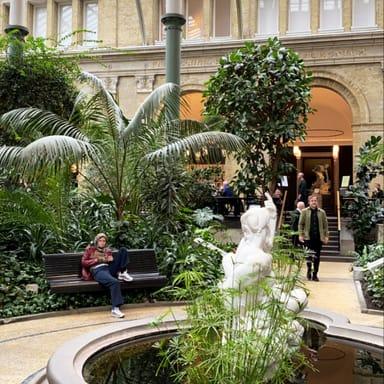
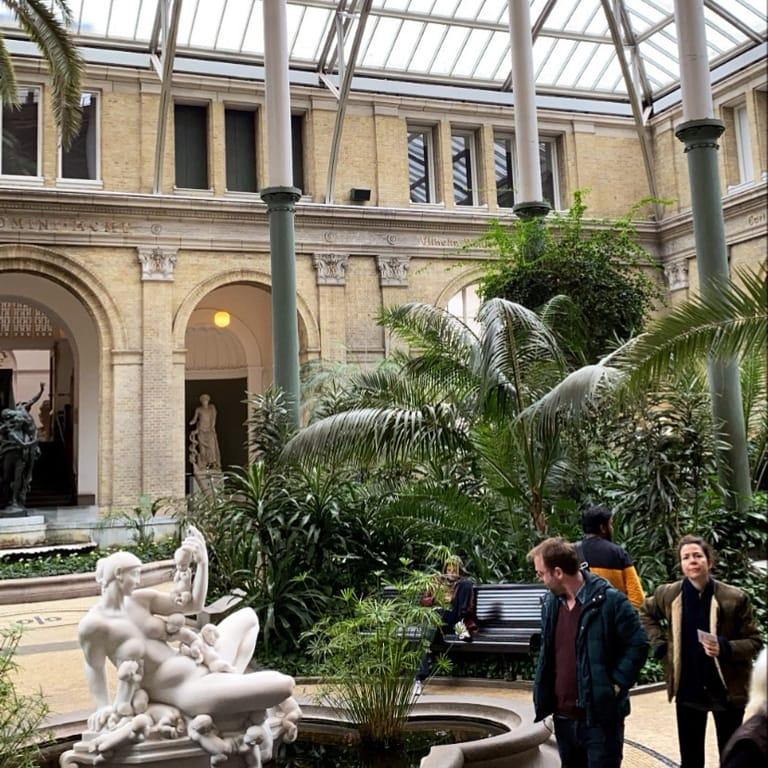
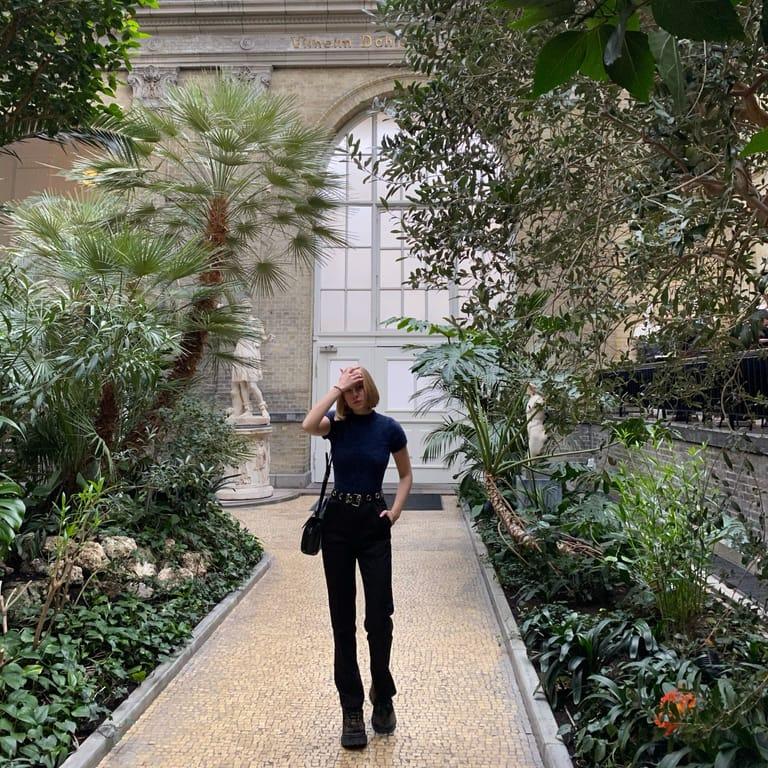
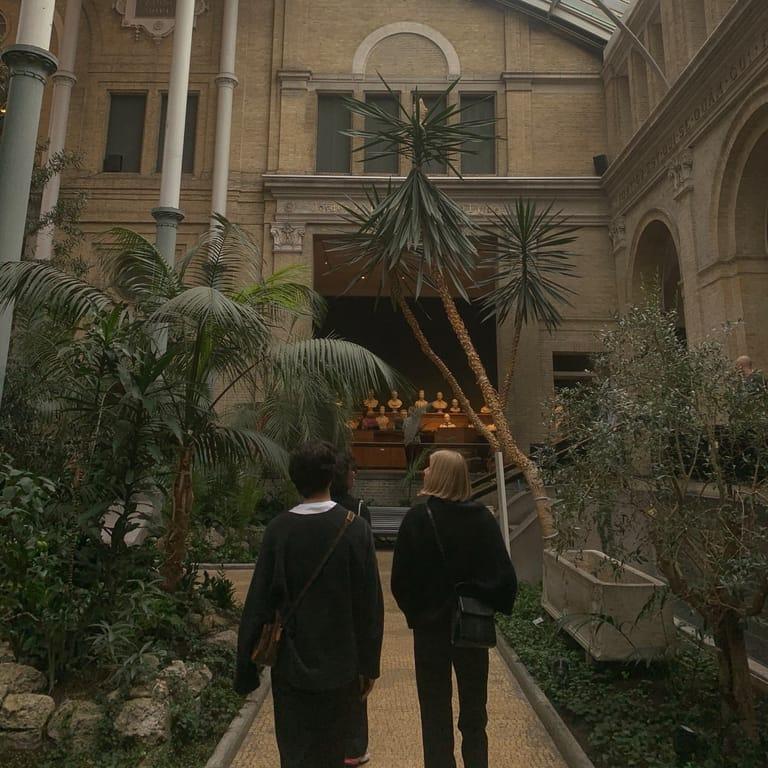
Located at Dantes Plads 7 in Copenhagen, the Ny Carlsberg Glyptotek is a fine art museum that showcases an impressive collection of Mediterranean sculptures and 19th-century French and Danish works. This compact yet informative museum is perfect for a half-day visit, offering a serene atmosphere and a beautiful Winter Garden.
Pros
- Impressive collection of art and artifacts Beautiful architecture, including the Winter Garden Serene and tranquil atmosphere Diverse exhibits spanning various historical periods Free admission for children and discounted rates for students
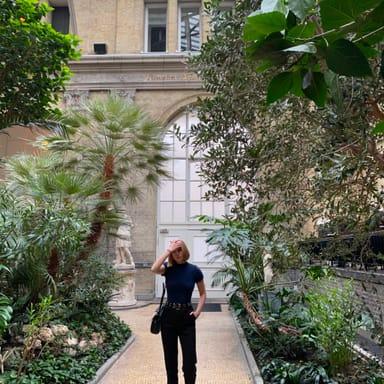
- Beautiful sculptures and paintings with a gorgeous garden to sit and relax
Cons
- Can get crowded during peak tourist seasons Some signage and descriptions could be more comprehensive in certain areas
Ideal for
Families, art enthusiasts, and tourists will find Ny Carlsberg Glyptotek to be a rewarding experience. The museum is also suitable for educational trips and casual visits alike.
Things to know before visiting
The museum is child-friendly and has restrooms available. It's advisable to arrive early to avoid crowds, especially during weekends and holidays. Additionally, the museum offers a café for refreshments.
Overall impression
Ny Carlsberg Glyptotek stands out as one of Copenhagen's premier cultural destinations. With its rich collection and tranquil environment, it offers a unique blend of art and history that captivates visitors of all ages. Whether you're an art aficionado or a casual visitor, this museum promises an enriching experience.



Ouvert maintenant - Fermeture 5:00 PM
Lundi
Closed
Mardi
10:00–17:00
Mercredi
10:00–17:00
Jeudi
10:00–21:00
Vendredi
10:00–17:00
Samedi
10:00–17:00
Dimanche
10:00–17:00
Notes Agrégées 4.3
Galerie
Commentaires
Beautiful museum with marble sculptures and an iconic garden 🍃
Great activity for rainy days - an incredbile museum showcasing antiquities from ancient Egypt, Mediterranean sculptures and danish art from the 19th century.