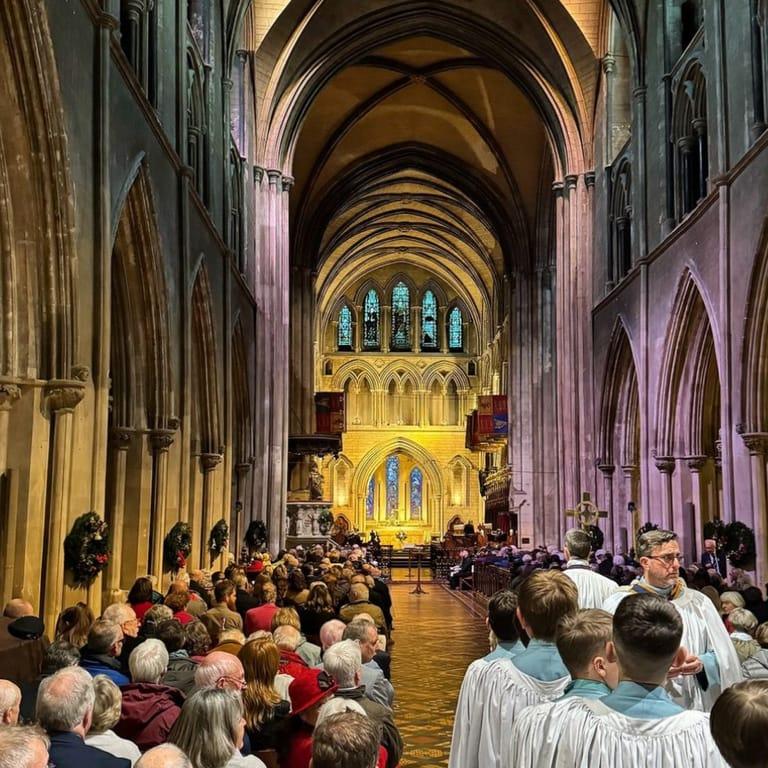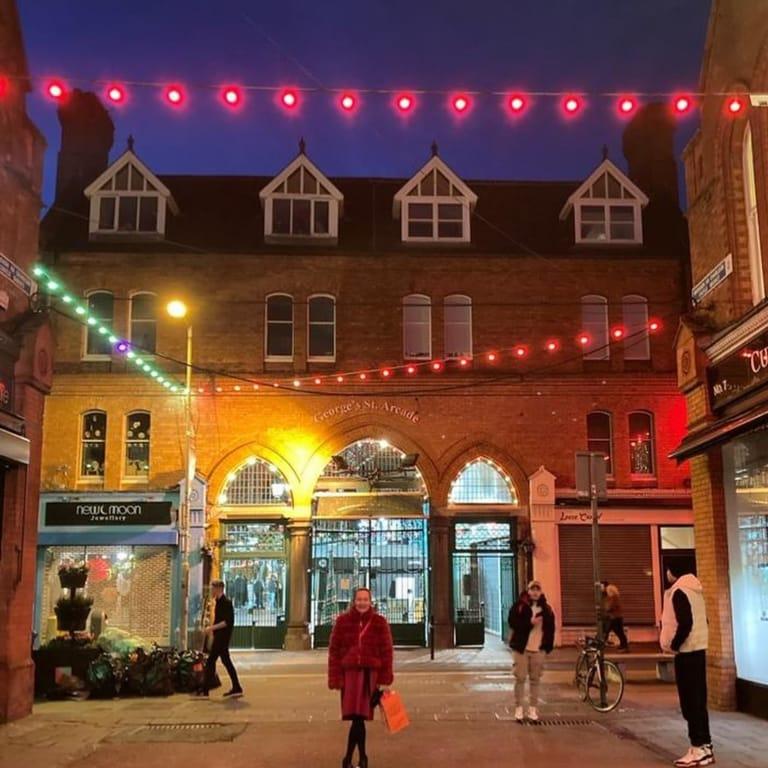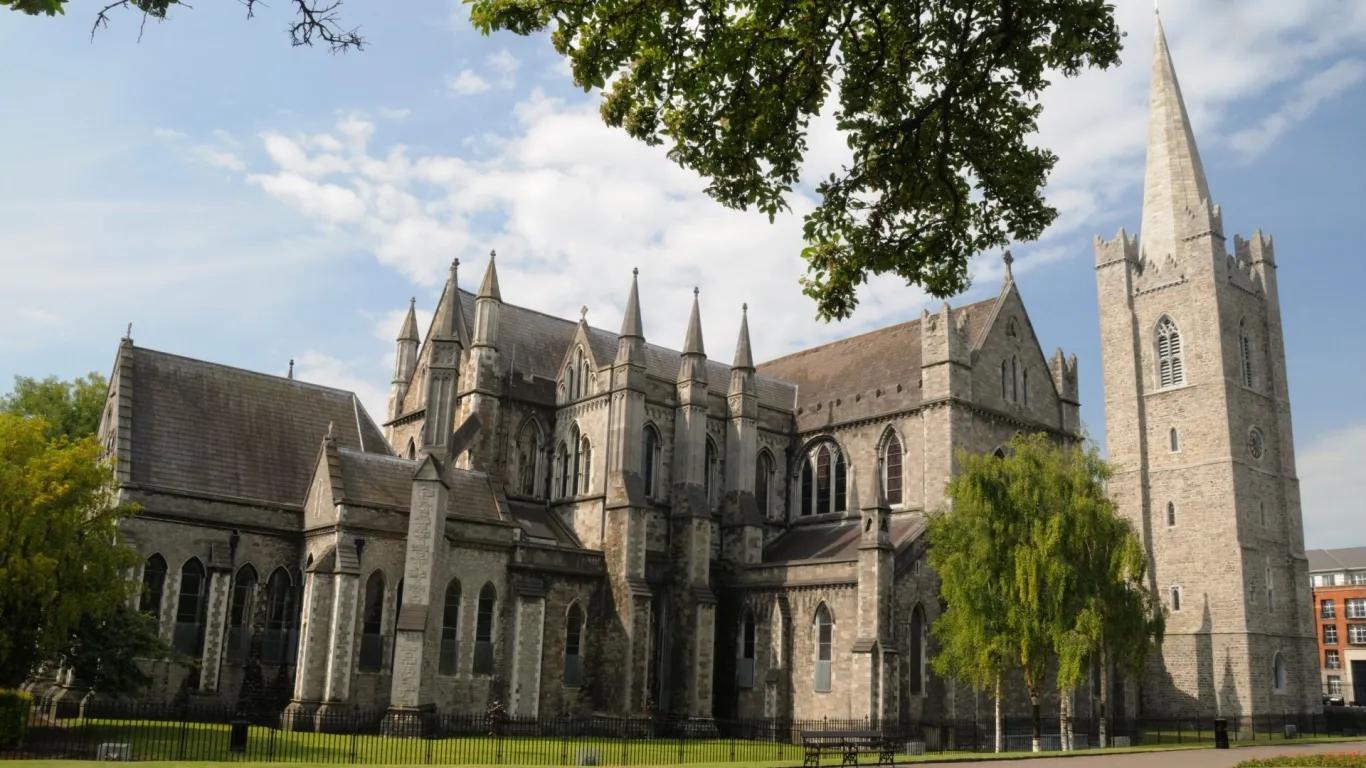
image of St Patrick's Cathedral
St Patrick's Cathedral

Dublin, Ireland

St Patrick's Cathedral Dublin Ireland Experience the Heart of Irish Heritage and Spiritual Majesty

Nestled in the vibrant cityscape of Dublin 8, St Patrick's Cathedral stands as a breathtaking testament to Ireland's rich history and architectural grandeur. This majestic medieval church, dating back to 1220, invites visitors to immerse themselves in its awe-inspiring Gothic design, serene atmosphere, and deep cultural significance. Whether you're a history buff, architecture lover, or spiritual seeker, the cathedral offers an unforgettable journey through centuries of Irish heritage.

Architectural Wonders and Spiritual Serenity

Step inside the cathedral to admire intricate stained glass windows that cast colorful light across the ancient stone floors. The interior features multiple dedicated chapels, each with unique characteristics, offering quiet spaces for reflection. Marvel at the detailed floorings, historic wall hangings, and the tomb of Jonathan Swift, the famed author and dean of the cathedral. Audio guides and knowledgeable staff enrich your visit with fascinating stories and historical context.
Unique Features : Enclosed by graceful railings, the cathedral grounds include a tranquil park with benches, a charming fountain, a small playground for families, and beautifully maintained flower beds — perfect for a leisurely picnic amid stunning architecture.

Community Events and Visitor Experiences

St Patrick's Cathedral is more than a historic site; it’s a lively community hub. Seasonal festivals, such as the much-loved Halloween event, feature beautifully decorated gardens, live music, food trucks serving delicious dishes, craft stands, and entertainment including fire jugglers that captivate visitors of all ages. These events draw families and locals alike, creating a warm, welcoming atmosphere.
  • Audio guides and free tours enhance your understanding of the cathedral's history and architecture.
  • Picnic-friendly grounds with benches, playground, and fountains provide a perfect retreat within the city.
  • Family-friendly events like the community Halloween festival with face painting and live bands.

Frequently Asked Questions About St Patrick's Cathedral

  • What are the opening hours of St Patrick's Cathedral? The cathedral is open Monday to Friday from 9:30 AM to 5:00 PM, Saturday from 9:00 AM to 6:00 PM, and Sunday with three sessions: 9:00 to 10:30 AM, 1:00 to 2:30 PM, and 4:30 to 6:00 PM.
  • Is there an admission fee? Yes, general admission is €10.00 for adults, €9.00 for students and seniors, €4.50 for children aged 6-12, and free for children under 6.
  • Are guided tours available? Yes, free guided tours run throughout the day. Checking the official website for current schedules is recommended.
  • Is the cathedral wheelchair accessible? Yes, the cathedral is fully wheelchair accessible.
  • Can I take photographs inside? Photography for personal use is allowed, but tripods and flash are prohibited to protect the interior's integrity.

Visitor Sentiment and Tips

Visitors consistently rave about the cathedral’s breathtaking beauty, rich historical tapestry, and peaceful ambiance. The availability of guided tours and audio guides enhances the experience, making history come alive. Many guests appreciate the welcoming nature of the staff and the opportunity to attend mass respectfully. To fully enjoy the stained glass windows, plan your visit during daylight hours. Peak tourist seasons can bring crowds, so consider weekday mornings for a more tranquil exploration.

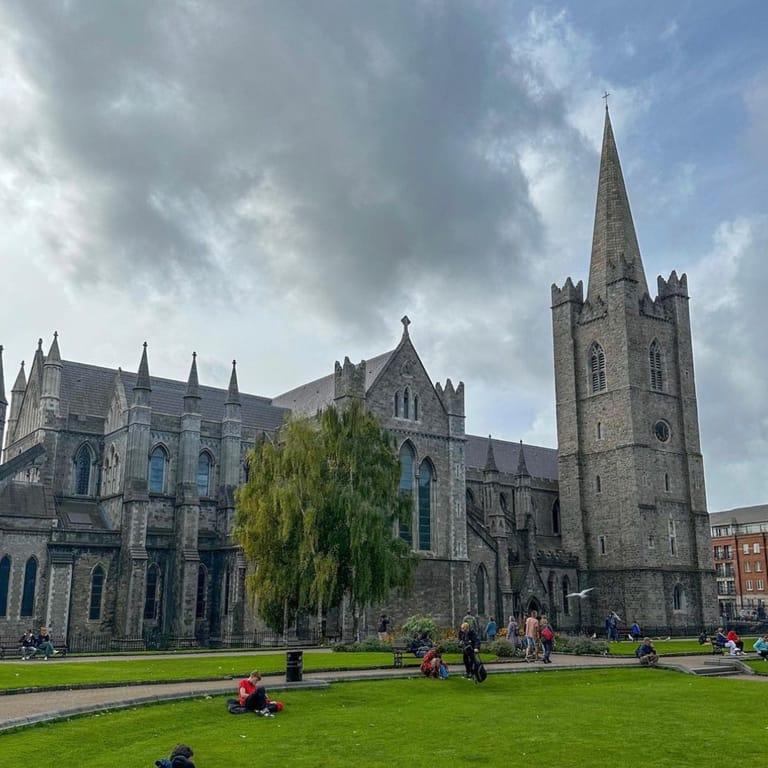
St Patrick's Cathedral Dublin historical overview.

Nestled in the heart of Dublin, St Patrick's Cathedral stands as a majestic symbol of Ireland's rich religious and cultural heritage. Founded in 1191, this grand structure originally served as a Roman Catholic cathedral before undergoing significant transformations throughout the centuries.

Medieval origins and religious shift

The cathedral's foundation in 1191 marked the beginning of a remarkable journey. Initially a Roman Catholic place of worship, it witnessed a pivotal change in 1540 when it became a Church of Ireland cathedral. This transition reflected broader religious shifts occurring across Ireland during the Reformation.

Jonathan Swift’s residence and literary legacy

Between 1713 and 1745, the cathedral served as the residence of Jonathan Swift, the revered author of 'Gulliver's Travels'. His tenure as dean left an indelible mark on the cathedral's history, intertwining literary brilliance with spiritual leadership. Visitors today can explore areas imbued with Swift's enduring legacy.

Victorian restoration and national recognition

The cathedral underwent a major restoration in 1860, generously funded by Benjamin Guinness, which revived its architectural splendor and ensured its preservation for future generations. Subsequently, in 1871, St Patrick's Cathedral was officially designated as the national cathedral of the Church of Ireland, cementing its status as a national treasure.

A living heritage and visitor experience

Today, St Patrick's Cathedral remains an active place of worship and a vibrant cultural landmark in Dublin. Its stunning stained glass windows, intricate floorings, and numerous chapels invite visitors to immerse themselves in centuries of history and spirituality. Regular musical recitals and guided tours enhance the visitor experience, making it an essential destination for history buffs, architecture enthusiasts, and curious travelers alike.
  • 1191 - St Patrick's Cathedral founded as a Roman Catholic cathedral.
  • 1540 - Transitioned to a Church of Ireland cathedral during the Reformation.
  • 1713 - Jonathan Swift appointed as dean, enriching the cathedral's literary heritage.
  • 1860 - Extensive restoration funded by Benjamin Guinness revitalized the cathedral.
  • 1871 - Officially designated as the national cathedral of the Church of Ireland.

St Patrick's Cathedral at a glance

St Patrick's Cathedral, located in Dublin, Ireland, is a magnificent medieval structure dating back to 1220. As the national cathedral of the Church of Ireland, it stands as a testament to the country’s rich history and architectural heritage. Visitors are welcomed to explore its awe-inspiring interior, adorned with intricate details and stunning stained glass windows. The cathedral offers a unique blend of spirituality and historical significance, making it a must-see for anyone visiting Dublin.

Pros

  • Stunning Gothic architecture
  • Rich historical significance
  • Informative audio guides
  • Free guided tours available
  • Family-friendly atmosphere

Cons

  • Can be crowded during peak tourist seasons
  • Limited parking availability
  • Admission fee required

Ideal for

St Patrick's Cathedral is perfect for history enthusiasts, families, and anyone seeking a peaceful retreat in the heart of Dublin. Whether you're interested in its architectural beauty or its spiritual significance, this site offers a unique experience for all visitors.

Things to know before visiting

  • Check the schedule for service times to avoid restrictions
  • Consider visiting during off-peak hours for a quieter experience
  • Audio guides are available for a more informative visit

Overall impression

St Patrick's Cathedral is not just a place of worship; it is a cultural landmark that embodies the spirit of Dublin. With its stunning architecture and rich history, it invites visitors to reflect and appreciate its beauty. Whether you are a local or a tourist, a visit to this cathedral is a rewarding experience that should not be missed.

4.5

Fermé - Ouverture 9:30 AM

Lundi

09:30–17:00

Mardi

09:30–17:00

Mercredi

09:30–17:00

Jeudi

09:30–17:00

Vendredi

09:30–17:00

Samedi

09:00–18:00

Dimanche

09:00–10:30, 13:00–14:30, 16:30–18:00

Galerie

image of St Patrick's Cathedral

Voir toutes les images

Commentaires

Téléchargez l’application