Die Luís I Brücke in Porto ist ein architektonisches Meisterwerk und ein Symbol für die Stadt, das Besucher aus aller Welt anzieht.
Ja, die Brücke ist frei zugänglich und kann sowohl von Fußgängern als auch von Fahrzeugen genutzt werden.
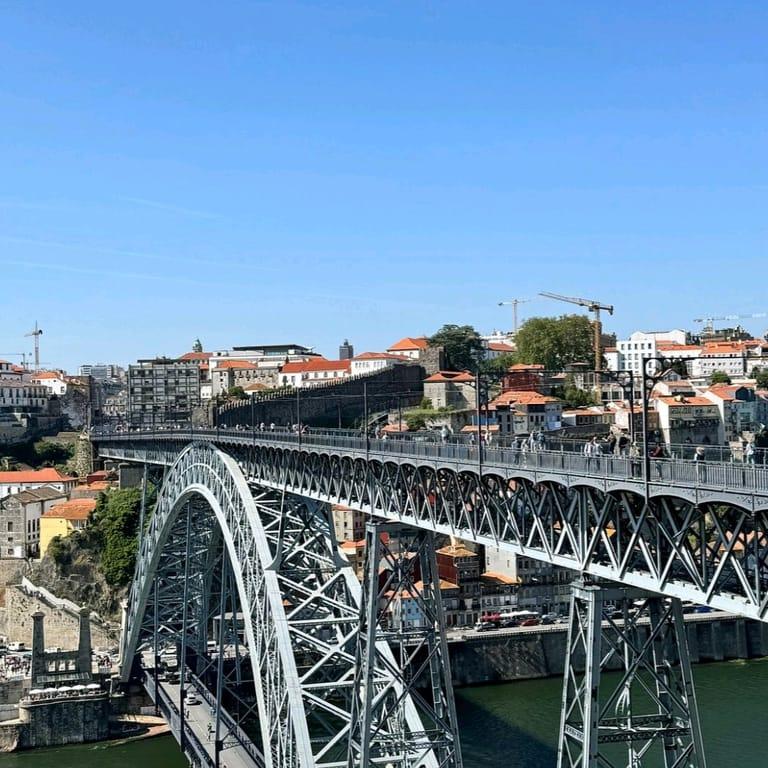
Die Luís I Brücke in Porto, Portugal, ist ein beeindruckendes Beispiel für Ingenieurskunst und architektonische Innovation. Erbaut im Jahr 1886, verbindet diese doppeldeckige Eisenbogenbrücke die historische Altstadt von Porto mit Vila Nova de Gaia und bietet atemberaubende Aussichten auf den Douro-Fluss.
Die Luís I Brücke wurde im Jahr 1886 fertiggestellt und war damals die längste Eisenbogenbrücke der Welt. Entworfen vom französischen Ingenieur Théophile Seyrig, einem Schüler von Gustave Eiffel, beeindruckt sie durch ihre technologische Innovation und ästhetische Gestaltung.
Die Luís I Brücke verfügt über zwei Ebenen: Die obere Ebene ist für Fußgänger und die Metro, während die untere Ebene für Fahrzeuge und Fußgänger reserviert ist. Diese einzigartige Konstruktion macht sie zu einem wichtigen Verkehrsknotenpunkt und einem Wahrzeichen von Porto.
Seit ihrer Fertigstellung hat die Luís I Brücke eine bedeutende Rolle im Leben der Stadt Porto gespielt. Sie verbindet nicht nur zwei Stadtteile, sondern auch unterschiedliche Zeiten und Kulturen.
Nestled between the vibrant cities of Porto and Vila Nova de Gaia, the Luís I Bridge stands as an iconic arched structure that seamlessly blends rich history with breathtaking scenery. This architectural marvel features two levels: a low-level road for vehicles and a high-level metro line, both complemented by pedestrian walkways. Its accessibility by public transport and free admission make it an inviting destination for locals and travelers alike.
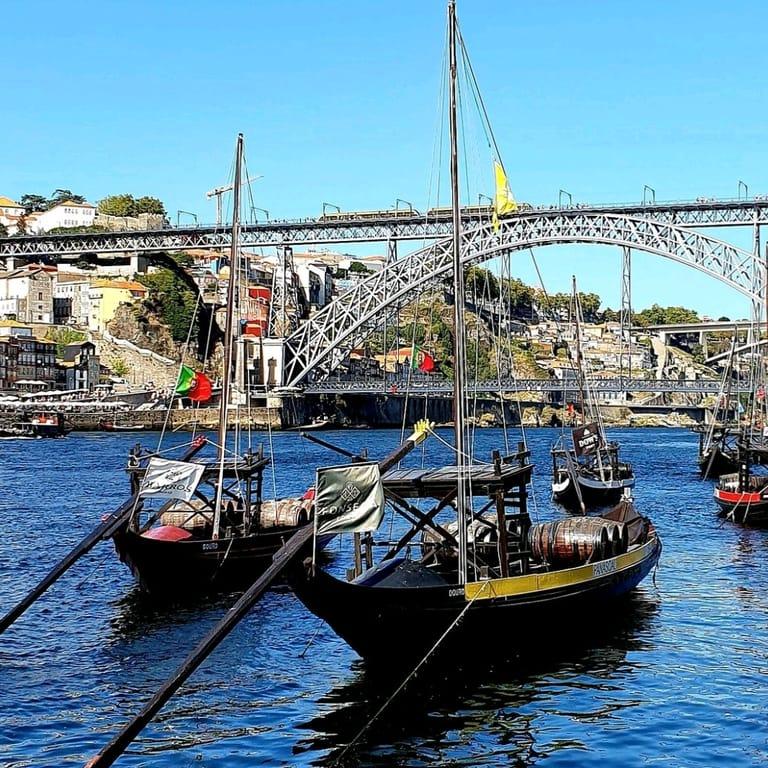
One of the most captivating experiences at Luís I Bridge is the stunning panoramic views it offers of Porto’s old town, the Douro River, and the contrasting skyline of Vila Nova de Gaia. The bridge’s historic charm adds to the allure, making it a must-visit spot for photographers, history enthusiasts, and anyone eager to explore Porto’s cultural heritage. Walking across the bridge provides a unique perspective to appreciate the city's architecture and vibrant river life.
Visitors often enjoy leisurely walks on both levels of the bridge, with the lower deck supporting vehicular traffic and the upper deck accommodating the metro line along with pedestrians. The bridge’s 24/7 accessibility means you can soak in sunrise and sunset views at your own pace. Nearby, you’ll find charming cafes, restaurants, and boat tour embarkation points that complement your visit, making it a vibrant hub for foodies and culture seekers.
- Pros: Stunning panoramic views of Porto and Vila Nova de Gaia, rich historical significance, free admission, open 24/7, and accessible by public transport.
- Cons: Narrow walkways may be challenging for wheelchair users, can be crowded during peak tourist seasons, and the upper deck is used by metro trains requiring caution.
To make the most of your visit, consider exploring the bridge during early morning or late evening hours to avoid crowds and enjoy serene views. Be cautious on the upper level since metro trains share the walkway with pedestrians. Accessibility may be limited for those using wheelchairs due to narrow pathways, so plan accordingly. Don't miss nearby attractions such as the famous local bookstores and vibrant markets that capture the spirit of Porto.
Die Luís I Brücke ist eines der bekanntesten Wahrzeichen Portos und verbindet die Altstadt Ribeira mit Vila Nova de Gaia. Diese beeindruckende Eisenbrücke wurde im späten 19. Jahrhundert erbaut und bietet einen atemberaubenden Blick auf den Douro und die Stadt.