Dondeokjeon Hall, located in the heart of Seoul's Deoksugung Palace, plays a significant role in the local community. This historic building, which recently opened to the public after a century, serves as a cultural hub, connecting visitors with Korea's rich heritage. Its restoration reflects a commitment to preserving history while fostering community engagement.
- Collaboration with local artists for exhibitions.
- Partnerships with local schools for educational programs.
- Collaboration with local historians to curate exhibits.
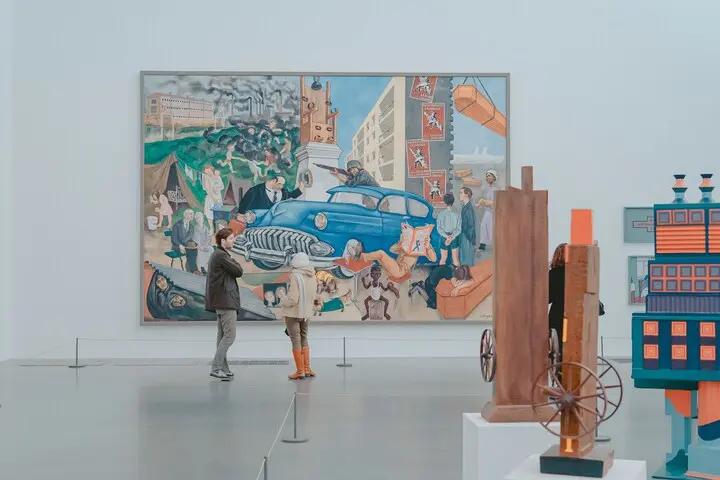
Dondeokjeon Hall hosts various events that celebrate local culture and history. From art exhibitions to community workshops, these gatherings foster a sense of belonging and encourage dialogue among residents and visitors alike.
The restoration of Dondeokjeon Hall emphasizes sustainable practices, ensuring that the building's historical integrity is maintained while using eco-friendly materials. This commitment to sustainability resonates with the community's values and enhances the visitor experience.
"If you live out rich history, you must visit," says local resident Peter Jin, highlighting the importance of Dondeokjeon Hall as a cultural landmark. This sentiment is echoed by many who appreciate the hall's role in preserving Korea's heritage.
To explore the rich history and vibrant community surrounding Dondeokjeon Hall, visit us at 99 Sejong-daero, Jung District, Seoul. Join us for our upcoming events and become part of a community that values heritage and sustainability.
Dondeokjeon Hall, a historic Western-style building located within the Deoksugung Palace in Seoul, South Korea, was originally built during the reign of Emperor Gojong around 1901. This architectural gem served as a royal guesthouse from 1897 to 1910, symbolizing the grandeur of the Korean Empire. The hall's design features a European exterior and an opulent interior adorned with golden curtains and wallpaper, reflecting the imperial aesthetic. After a century of limited access, it reopened to the public on June 27, 2023, allowing visitors to explore its rich history and significance.
- Built around 1901 during the reign of Emperor Gojong.
- Served as a royal guesthouse until the end of the Korean Empire in 1910.
- Underwent restoration to preserve its historical significance after years of neglect.
- Reopened to the public on June 27, 2023, after a century of limited access.
Dondeokjeon Hall has been shaped by its surroundings, particularly the Deoksugung Palace, which has served as a cultural hub in Seoul. The hall's architecture reflects the blend of Western and Korean influences, symbolizing the historical interactions between cultures during the late 19th and early 20th centuries. This unique fusion has made it a focal point for both locals and tourists, who come to appreciate its historical significance and aesthetic beauty.
The legacy of Dondeokjeon Hall is tied to its founders, particularly Emperor Gojong, who envisioned a space that combined Western architectural styles with Korean traditions. Over the years, various historians, architects, and cultural advocates have contributed to its preservation, ensuring that its story continues to resonate with future generations.
In recent years, Dondeokjeon Hall has adapted to the changing cultural landscape of Seoul. The restoration efforts have not only preserved its architectural integrity but also enhanced its role as a venue for modern exhibitions and cultural events. This evolution reflects a commitment to honoring the past while embracing contemporary artistic expressions.
As Dondeokjeon Hall continues to welcome visitors, it stands as a testament to Korea's rich history and cultural heritage. The hall not only serves as a reminder of the past but also as a vibrant space for future generations to explore and appreciate the intricate tapestry of Korean history.
Located at 99 Sejong-daero in Jung District, Seoul, Dondeokjeon Hall is a historic building that recently opened to the public after a century. Originally built during the reign of Emperor Gojong around 1901, this Western-style structure served as a royal guesthouse during the Korean Empire. Visitors can explore its beautifully restored interiors, which reflect the opulence of its past, making it a fascinating destination for history enthusiasts.
- Rich historical significance
- Beautifully restored interiors
- Engaging digital storytelling exhibits
- Limited capacity for large groups
- Potentially crowded during peak hours
Dondeokjeon Hall is perfect for history enthusiasts, families, and anyone interested in Korean culture. The engaging exhibits make it a great educational experience for children and adults alike.
- Check opening hours as they may vary
- Photography is allowed, but be respectful
In conclusion, Dondeokjeon Hall offers a unique glimpse into Korea's royal history, enhanced by modern exhibits that captivate visitors of all ages. Its recent restoration makes it a must-see for anyone exploring Seoul's rich cultural landscape.