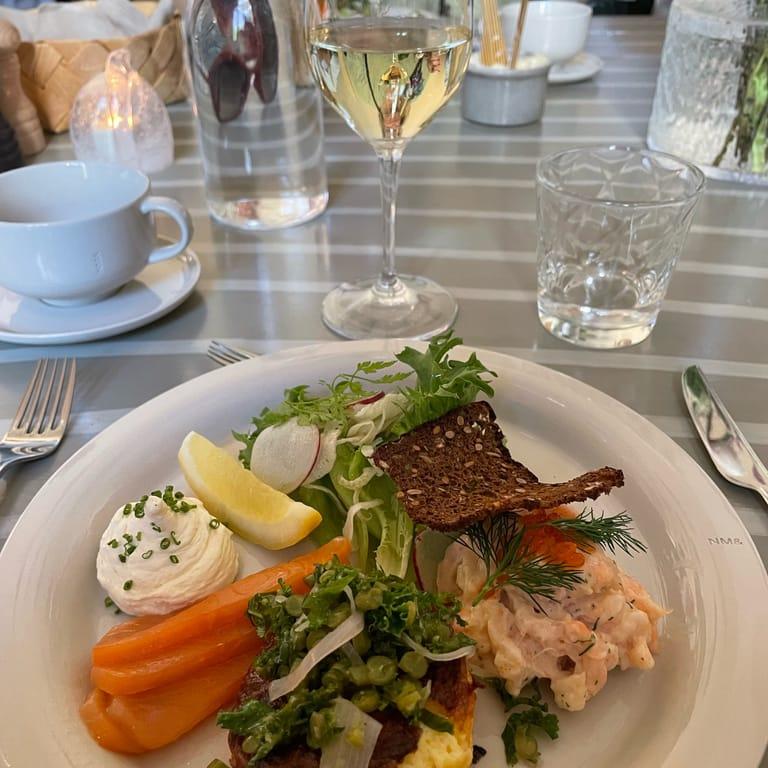
The National Museum in Stockholm is not just a place for art; it serves as a vibrant community hub. By hosting local events and collaborating with various organizations, the museum fosters a sense of belonging and cultural appreciation among residents and visitors alike. Its commitment to showcasing both Swedish and international art reflects the diverse narratives that shape the community.
The museum's architectural beauty and its stunning garden restaurant create a welcoming atmosphere, inviting people to gather, learn, and share experiences.
The National Museum collaborates with various local entities to enhance its community impact. Some of these partnerships include:
- Collaboration with local artists for exhibitions.
- Partnerships with local schools for educational programs.
- Collaboration with local businesses for events.
The National Museum hosts a variety of events that bring the community together, from art workshops to cultural festivals. These gatherings not only celebrate art but also foster connections among attendees, creating a rich tapestry of shared experiences.
The museum is committed to sustainable practices, from using eco-friendly materials in exhibitions to promoting local produce in its restaurant. This dedication to ethical practices not only enhances the visitor experience but also supports the local economy.
Visitors often share their experiences, highlighting the museum's role in their lives. One visitor remarked, "The National Museum is a treasure trove of history and creativity. I always leave inspired." Such sentiments reflect the museum's impact on the community.
Join us at the National Museum in Stockholm to explore art, culture, and community. Whether you're a local or a visitor, there's something for everyone. Experience the beauty of art and the warmth of community.
Nestled on the scenic Blasieholmen peninsula in Stockholm, the Nationalmuseum stands as Sweden's foremost art institution, offering visitors an unparalleled journey through the evolution of art from the Middle Ages to the modern era. Established in 1792, originally known as the Kungliga Museet or Royal Museum, it has long been a beacon of cultural heritage and artistic excellence.
The Nationalmuseum's rich history reflects Sweden's deep commitment to preserving and celebrating art. It all began in 1792 with the museum's founding as a royal collection accessible to the public. This pivotal moment marked the beginning of one of Scandinavia's most important art repositories.
In 1866, the museum relocated to its iconic building on Södra Blasieholmshamnen, designed by renowned architect Friedrich August Stüler. This move to the Blasieholmen peninsula not only provided a stunning architectural setting but also expanded the space needed to house its growing collection of paintings, sculptures, and applied arts.
After more than a century in this historic building, the Nationalmuseum underwent a significant closure in 2013 to undertake extensive renovations. These improvements were aimed at modernizing the museum’s facilities while preserving its historical grandeur, enhancing the visitor experience across several floors.
The museum triumphantly reopened its doors in 2018, revealing an expanded exhibition space and upgraded amenities. The renovations seamlessly blended the building's 19th-century architectural elegance with contemporary design, making it an inspiring destination for art lovers, families, and tourists alike.
The Nationalmuseum showcases a vast and diverse collection, including paintings, sculptures, ceramics, metalwork, textiles, and everyday objects that offer insight into different artistic periods and Swedish cultural history. Guests can appreciate masterpieces spanning from Medieval times through the Renaissance to contemporary works.
Art enthusiasts will find the carefully curated exhibitions both educational and inspiring, with special attention to the development of artistic styles through the ages.
- Sculpture garden on the main floor provides a serene environment to enjoy masterpieces in a natural setting.
- Architectural beauty including impressive murals and skylights adds to the cultural experience.
- Convenient facilities such as free lockers for coats and bags ensure a comfortable visit.
Whether you’re a casual visitor or a dedicated art aficionado, the Nationalmuseum offers an immersive and comprehensive look into Sweden’s artistic heritage, making it a must-see cultural landmark in Stockholm.
Nestled in the heart of Stockholm at Södra Blasieholmshamnen 2, the National Museum stands as a beacon of Sweden's rich artistic heritage. This museum captivates visitors with its wide-ranging collection that spans from medieval paintings and sculptures to contemporary design and graphic art. The impressive architecture itself is a highlight, featuring stunning courtyards with skylights and intricate murals on the ceilings, inviting guests to admire art not only on the walls but in the very structure surrounding them.
With exhibits thoughtfully arranged to showcase periods of artistic development, visitors can immerse themselves in everything from classical paintings to everyday objects that depict Sweden's evolving culture. The museum is especially welcoming to families, offering spaces and programs suitable for children, making it an ideal destination for educational outings. Additionally, guided tours are available to enrich the visitor experience, providing deeper insights into the artworks and their historical context.
Visitors will appreciate the practical amenities including ample washrooms, free lockers for storing coats and bags, and a charming onsite restaurant nestled in a garden setting, perfect for a relaxing meal amid the artistic ambiance. While luggage storage is not permitted, the museum's basement offers a secure place to keep backpacks, ensuring a comfortable visit. Importantly, admission is free for guests under 20 years old, encouraging younger generations to engage with art and culture.
While the National Museum offers a rich cultural experience, visitors should be aware of certain limitations. The museum has limited opening hours on Mondays, which may affect travel plans. Additionally, some guests have noted occasional service issues in the restaurant, suggesting that while the dining space is lovely, it may not always match the excellence of the art exhibitions. Restrooms are located in the basement, which could be inconvenient for some visitors.
- Pros: Extensive art collection covering multiple periods and styles, free admission for visitors under 20, breathtaking architecture, family-friendly environment, and available guided tours.
- Cons: Limited Monday opening hours and occasional service shortcomings in the restaurant.