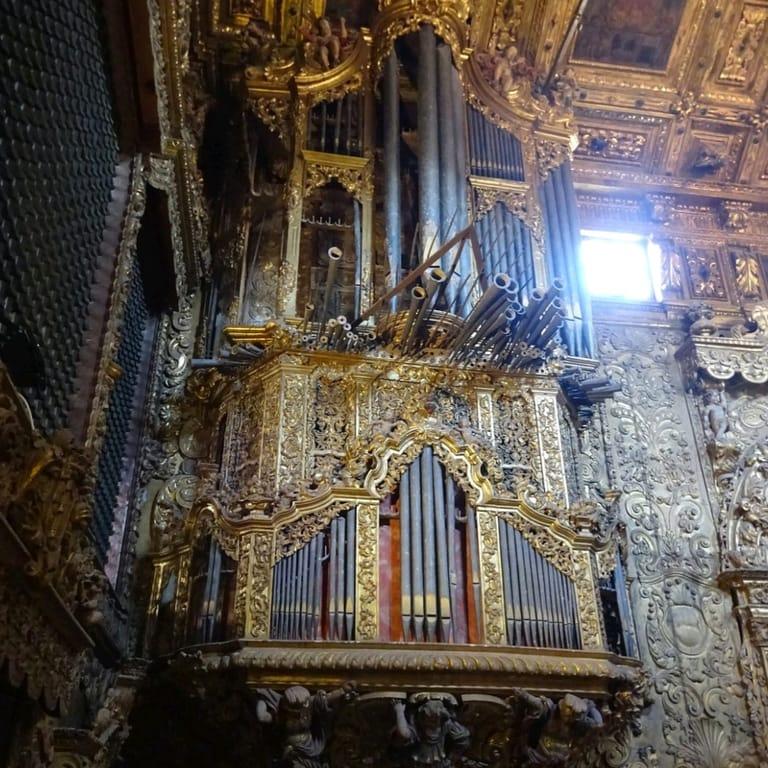
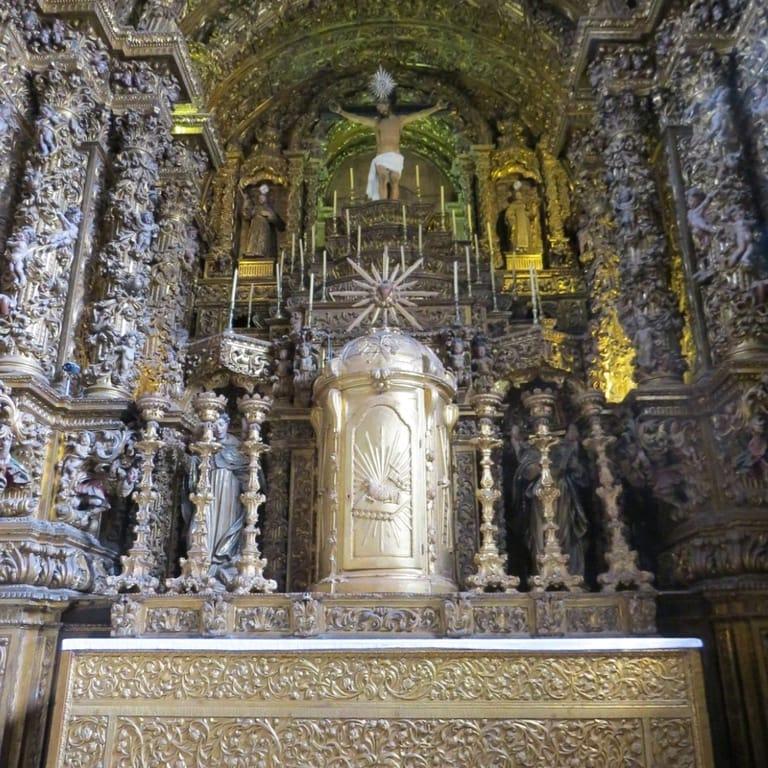
Plongez dans l'histoire riche et le patrimoine religieux d'Aveiro en explorant le musée emblématique de la ville. Situé au cœur de cette charmante cité portugaise, ce musée est une fenêtre ouverte sur le passé, avec ses collections impressionnantes d'art religieux et ses magnifiques architectures baroques.
Plongez dans l'histoire fascinante du musée d'Aveiro, un véritable témoin du riche patrimoine religieux et culturel de cette charmante ville portugaise.
Histoire et évolution
L'histoire du musée d'Aveiro commence au XVe siècle avec la fondation d'un couvent dominicain, un lieu de prière et d'apprentissage religieux qui a joué un rôle central dans la communauté locale.
En 1423, le couvent dominicain est établi, marquant le début d'une ère consacrée à la foi et à l'art religieux.
Au fil des siècles, le bâtiment a été réaménagé et réaffecté, devenant en 1920 le musée que nous connaissons aujourd'hui, où il expose des œuvres d'art religieux et des artefacts précieux.
Located on Avenida Santa Joana in the charming city of Aveiro, Portugal, the Aveiro Museum is a remarkable cultural spot nestled within a 15th-century former convent. This site blends awe-inspiring historical architecture with a rich collection of religious artworks, making it a must-see for travelers passionate about sacred art and heritage.
Visitors are often struck by the museum's impressive Baroque church and the exquisite gold-leafed chapels, reflecting the deep religious significance of the site. The institution honors Princess Saint Joan, whose tomb is a poignant highlight. The preservation of the convent’s original features alongside more modern museum areas offers a unique experience that bridges centuries of history.
The museum is wheelchair accessible, welcoming visitors of all mobility levels. Photography is allowed inside, with the only restriction being no flash photography, ensuring that guests can capture memories without compromising the preservation of delicate artworks. Entrance fees are modest, and tickets often include access to related religious sites nearby, offering excellent value for culture enthusiasts.
- Rich collection of religious art: The museum houses an extensive array of sacred artworks, perfect for art lovers and history buffs alike.
- Impressive architecture: The preserved convent and its Baroque church provide a visually stunning backdrop that transports visitors back in time.
- Dedication to Princess Santa Joana de Aveiro: Visitors can connect with the local history through the museum’s tribute to this important religious figure.
- Wheelchair accessible: The museum ensures ease of access for visitors with mobility needs.
- Photography permitted (no flash): Guests can capture their visit memories while respecting preservation rules.
- Lack of guided tours: Some visitors may miss expert insights that guided tours provide, as the museum does not widely offer them.
- Storytelling could be enhanced: While the art and architecture impress, some visitors feel the narrative and historical context could be more engaging or detailed.
In conclusion, the Aveiro Museum offers an enriching cultural experience that beautifully showcases religious art and architecture in a historic setting. Its accessibility and photography permissions make it visitor-friendly, while the modest entry fee adds to its appeal. Prospective visitors who appreciate religious history will find it fascinating, though those looking for detailed guided explanations might want to prepare accordingly. This balance makes the museum a compelling stop for anyone exploring Aveiro’s cultural landscape.