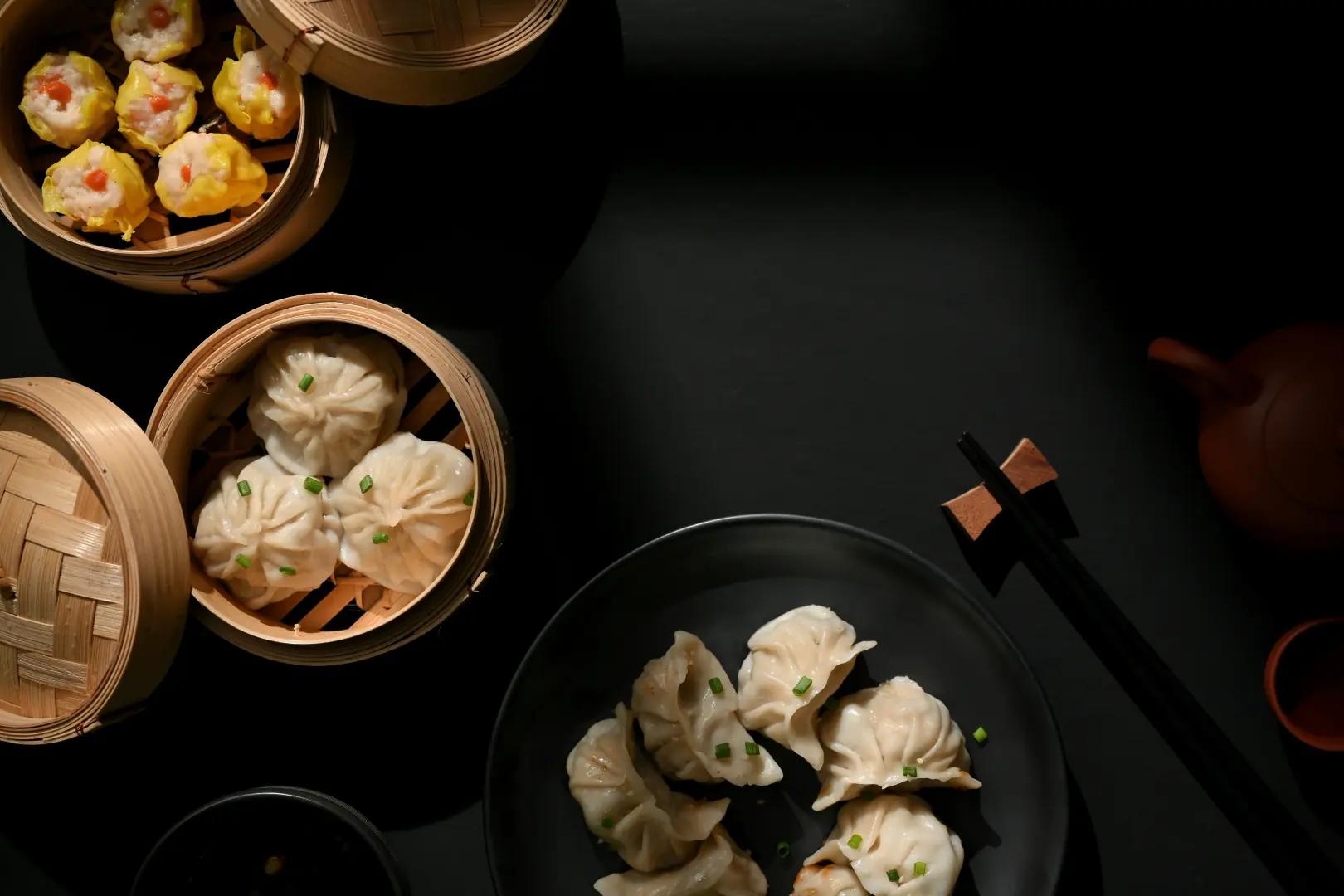
Situato nel cuore di Pechino, Chengweitang si distingue per la sua cucina cinese autentica, premiata con stelle Michelin e rinomata per il suo Pato alla pechinese alle mele e il piatto combinato che unisce sapori regionali diversi. Il locale è un perfetto connubio tra eleganza artistica e design contemporaneo, con pareti di mattoni rossi e grandi finestre che si affacciano su un tranquillo cortile, creando un'atmosfera ideale per un'esperienza indimenticabile.
- Per cosa è famoso Chengweitang? Il ristorante è rinomato per il suo Pato alla pechinese con mele e il piatto combinato che unisce vari sapori regionali.
- Il ristorante offre opzioni di sala privata? Sì, ci sono sei sale private dal design unico, ideali per incontri intimi e cene speciali.
- È disponibile il servizio di takeaway? Certamente, puoi ordinare i piatti preferiti da gustare a casa.
- Quali sono gli orari di apertura? Il ristorante opera dal martedì alla domenica; gli orari specifici sono disponibili sul loro sito ufficiale.
- È disponibile un parcheggio? Sì, il ristorante offre strutture di parcheggio per gli ospiti.
Chengweitang, conosciuto anche come The Tasty House, è un ristorante stellato Michelin situato nel quartiere Sanlitun di Pechino. La sua storia è un affascinante racconto di tradizione e innovazione, che si intrecciano per creare un’esperienza culinaria unica nel suo genere.
Dal 2021, Chengweitang ha ottenuto la sua prima stella Michelin, un riconoscimento prestigioso che ha segnato l’inizio di un percorso di successo.
Nel 2022 e nel 2023, il ristorante ha mantenuto il suo prestigioso riconoscimento Michelin, confermando la qualità e l’eccellenza della sua cucina.
Nel 2024, Chengweitang ha dimostrato di essere un punto di riferimento culinario, mantenendo la stella Michelin per il quarto anno consecutivo, un segno della sua dedizione all’eccellenza e all’innovazione.
La storia di Chengweitang è un esempio di come l’arte culinaria possa evolversi preservando le radici culturali, offrendo un’esperienza gastronomica che unisce passato e presente in modo armonioso.
Nestled in the heart of Beijing's vibrant Chaoyang District, the United University Robotics Institute stands as a beacon of innovation and academic excellence. Located near the bustling Sanlitun embassy area, this institution boasts a prime location with convenient transportation options, making it easily accessible for students and visitors alike.
Under the esteemed leadership of Li Deyi, a distinguished academician of the Chinese Academy of Engineering, the institute offers a rich variety of programs including Mechanical Engineering, Software Engineering, Automation, Electronic Information Engineering, and Robotics Engineering. Equipped with cutting-edge research platforms such as the Beijing Intelligent Mechanical Innovation Design Service Engineering Technology Research Center and the Beijing Information Service Engineering Key Laboratory, it provides a solid foundation for both theoretical study and practical experimentation.
Collaboration with renowned domestic and international enterprises enables students to engage in meaningful internships and employment opportunities, strengthening their practical skills and career prospects. The institute's commitment to blending innovation with education fosters a dynamic learning environment for emerging talents in robotics and engineering fields.
- Prime location in Beijing's Chaoyang District near Sanlitun embassy area with excellent accessibility.
- Led by prominent academician Li Deyi ensuring strong academic guidance and expertise.
- Diverse program offerings including Mechanical and Robotics Engineering catering to varied interests and industry needs.
- Cutting-edge research facilities fostering innovation and hands-on learning experiences.
- Strong industry partnerships providing practical exposure and employment opportunities.
Despite its many advantages, the Robotics Institute faces some challenges typical of emerging academic institutions. As a relatively new player in the academic scene, its public recognition and brand awareness may not yet be as strong as more established universities. Additionally, certain disciplines within the institute might encounter significant competition in the job market, which could affect graduates' employment prospects in highly competitive sectors.
In summary, the United University Robotics Institute offers an exciting blend of academic rigor, advanced research, and strategic industry connections, making it a compelling choice for aspiring engineers and robotics professionals in Beijing. While it may still be building its reputation, its strong leadership and resources position it well for future growth and impact in the field of robotics and engineering education.