Uluwatu Temple
Bali, Indonesia
Uluwatu Temple: A majestic guardian of Bali's sacred shores.
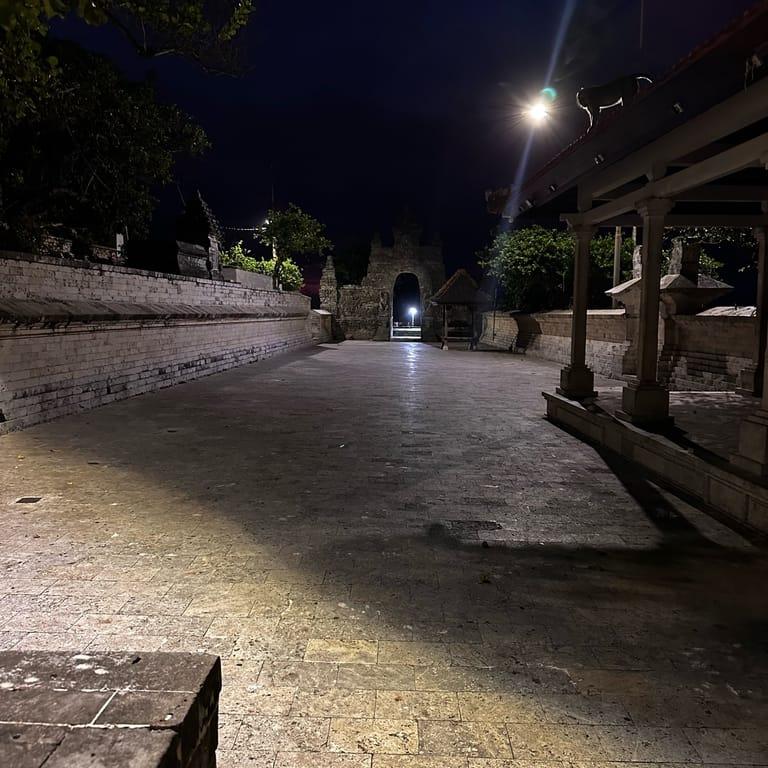
Nestled atop a dramatic 70-meter cliff overlooking the vast Indian Ocean, Uluwatu Temple — also known by its Balinese name Pura Luhur Uluwatu — stands as one of Bali’s most iconic and spiritually significant sea temples. Its origins date back over a millennium, making it a profound symbol of Bali’s rich religious and cultural heritage. Established around the year 1000 by the revered Javanese sage Empu Kuturan, the temple is dedicated to Sang Hyang Widhi Wasa, the supreme god in Balinese Hinduism, particularly revered here in the manifestation of Rudra, the god of storms and the sea.
Historical timeline and spiritual evolution
The temple’s origins trace back to the early 11th century when Empu Kuturan established it as a vital spiritual stronghold on Bali’s southern coast. This period marked the consolidation of Bali’s unique Hindu practices, distinct from mainland India and Java, with Uluwatu Temple serving as a pivotal point of worship and protection.
By the 16th century, specifically around 1500, Dang Hyang Nirartha, a legendary priest considered a key figure in Bali's religious history, enriched the temple complex by introducing the iconic padmasana shrines. These shrines are symbolic lotus thrones representing the cosmic mountain and the seat of the divine, reflecting the deepening spiritual significance and architectural refinement of the temple.
Modern preservation efforts and cultural vitality
Recognizing Uluwatu Temple’s cultural, religious, and environmental importance, in 2009 a spatial planning regulation was enacted to create a protective 5-kilometer radius around the temple. This measure ensures the preservation of the temple’s sacred atmosphere and its breathtaking cliffside surroundings, safeguarding it from encroaching development and maintaining its serene ocean vistas.
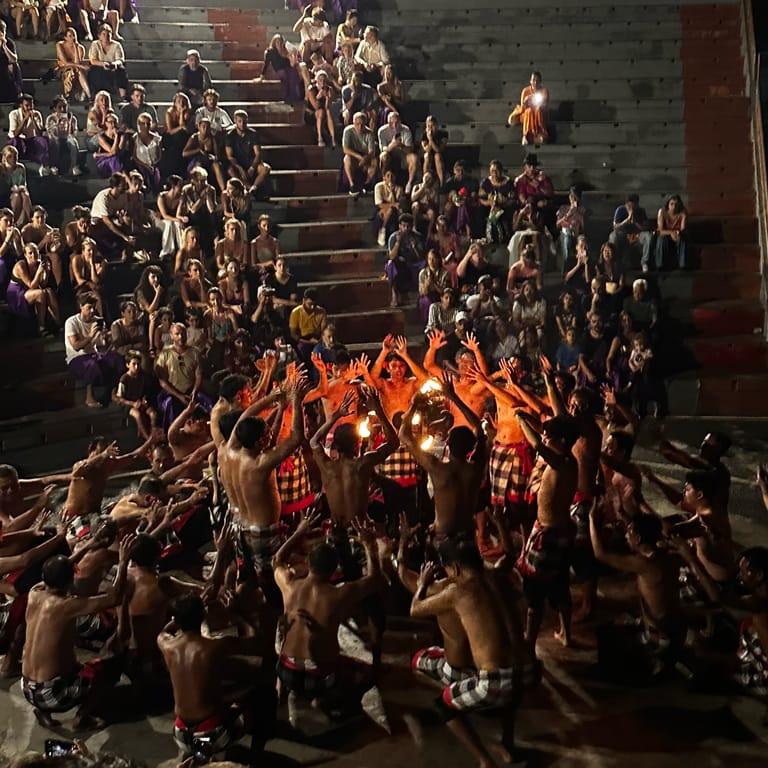
Today, Uluwatu Temple is not only a spiritual beacon but also a vibrant cultural hub. Visitors are drawn to its stunning location perched above crashing waves, and many come to witness the mesmerizing Kecak fire dance performances held at sunset — a dramatic cultural ritual that echoes Bali’s mystical legacy. The temple’s sacred grounds are home to an energetic troop of monkeys, adding a playful but cautionary note to any visit.
Why Uluwatu Temple stands out on Bali’s spiritual map
- Ancient Heritage: Rooted in the 11th century, it’s one of Bali’s oldest Hindu temples, linking visitors to centuries-old traditions.
- Sacred Location: Perched dramatically on a towering cliff, it offers panoramic ocean views that embody spiritual awe.
- Cultural Significance: Hosts traditional ceremonies and the captivating Kecak fire dance that brings Balinese myths to life.
- Protected Sanctuary: Governed by strict protection zones to maintain its sacred ambiance and natural beauty.
Uluwatu Temple Overview
Perched on a cliff, Uluwatu Temple offers breathtaking ocean views and a rich cultural experience. This ancient Hindu temple is not only a place of worship but also a popular tourist attraction, especially known for its mesmerizing Kecak Fire Dance performances at sunset.
Pros
- Breathtaking cliffside views
- Rich cultural and historical significance
- Mesmerizing Kecak Fire Dance performance at sunset
- Serene and tranquil atmosphere
- Well-maintained temple grounds
Cons
- Mischievous monkeys that may snatch belongings
- Can be crowded during peak tourist seasons
- Limited access to the main temple for tourists
Ideal for
Uluwatu Temple is perfect for those seeking a spiritual experience, photographers wanting to capture stunning sunsets, and travelers interested in Balinese culture.
Things to know before visiting
Visitors should be cautious of the monkeys, as they are known to snatch belongings. It's advisable to arrive early to avoid crowds and enjoy the serene atmosphere.
Overall impression
Uluwatu Temple is a must-see for anyone visiting Bali. With its stunning views, rich cultural significance, and captivating performances, it offers a unique glimpse into Balinese spirituality and artistry.
Esplora la magia del Tempio di Uluwatu a Bali.
Un gioiello spirituale e culturale immerso nella natura selvaggia di Bali.
Un'esperienza culturale unica con spettacoli tradizionali.
Non perdere l'opportunità di assistere alla spettacolare performance di danza Kecak al tramonto, un'esperienza indimenticabile che ti trasporterà nel cuore della cultura balinese.
Dettagli dell'offerta culturale.
La performance di danza Kecak è un autentico spettacolo tradizionale balinese, che si svolge al tramonto, offrendo uno sfondo mozzafiato per vivere un momento di profonda spiritualità e arte.
Situato nel suggestivo scenario del Tempio di Uluwatu, uno dei luoghi più sacri e affascinanti di Bali, questo spettacolo culturale è una tappa imprescindibile per chi desidera immergersi nelle tradizioni balinesi.
- Prezzo: 100.000 IDR
- Durata: spettacolo al tramonto

Chiuso - Apre 7:00 AM
Lunedì
07:00–19:00
Martedì
07:00–19:00
Mercoledì
07:00–19:00
Giovedì
07:00–19:00
Venerdì
07:00–19:00
Sabato
07:00–19:00
Domenica
07:00–19:00
Valutazioni Aggregate 4.3
Aggiorna la tua pagina di destinazione Nova per ottenere un aumento significativo del traffico verso il tuo sito.
Galleria

Vedi tutte le immagini
Commenti
Definitely a tourist trap but also a very pretty place to see the sunset from, to see the famous monkeys and also experience a balinese traditional dance!