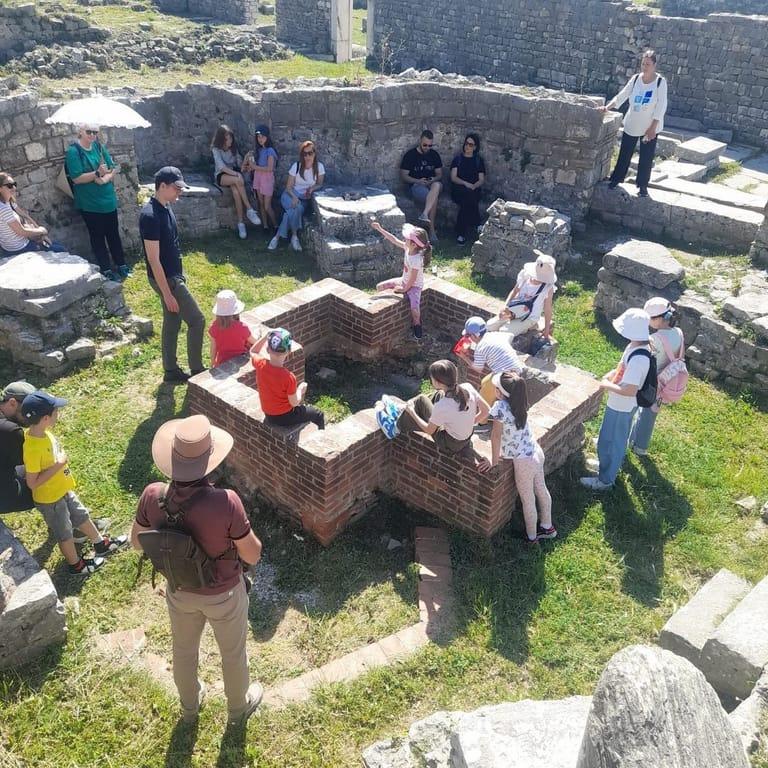
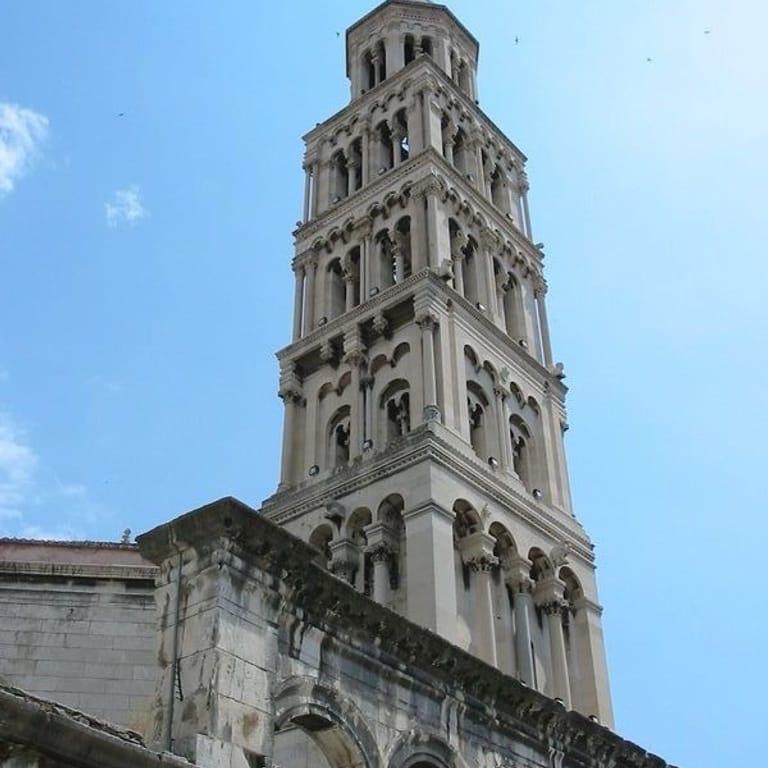
Nestled in the heart of Split at Ul. Zrinsko Frankopanska 25, the Archaeological Museum offers a fascinating journey through Croatia's rich ancient history. This museum uniquely blends indoor exhibitions with an enchanting open-air garden where visitors can explore authentic Roman tombs and artifacts from the nearby necropolis. It's an ideal destination for history buffs, families, and travelers eager to delve into the stories of Roman Salona, Split, and beyond.
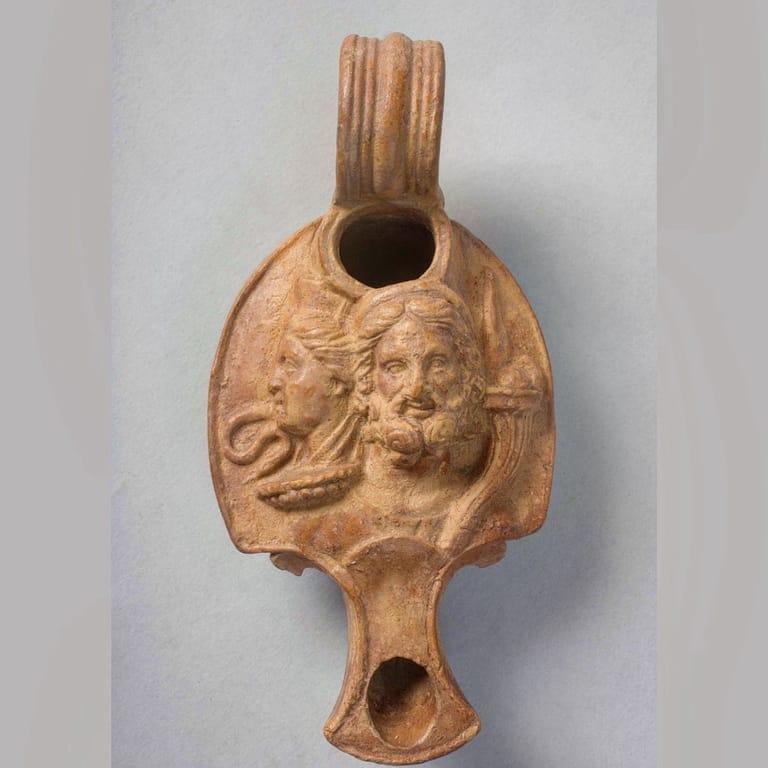
The museum's collection spans from prehistoric times to the medieval era, featuring impressive stone urns, Roman glass, mosaics, and even a rare piece of a small sphinx dating back to 1400 BC. Visitors love the hands-on experience, with the freedom to walk among thousands of years old artifacts and appreciate their intricate details up close. The open-air garden, dotted with ancient tombs, adds a unique dimension to the visit, offering a tranquil escape from Split’s bustling city center.
- Rich and diverse collection showcasing archaeological finds from Roman Salona and Split.
- Unique open-air garden filled with ancient tombs and mosaics to explore.
- Tranquil location just a short walk from Split’s busy center, perfect for immersive cultural experiences.
- Family-friendly amenities including restrooms and accessibility features.
- Educational experience with extensive artifact information available in English.
Community sentiment is mixed — many visitors treasure the museum’s vast archaeological treasures and peaceful setting, yet some feel that exhibit information and layout could be enhanced for a richer visitor experience.
- What are the museum's opening hours? The museum is open Monday to Saturday from 9:00 AM to 2:00 PM and 3:00 PM to 8:00 PM; closed on Sundays.
- Is there an admission fee? Yes, the museum charges an admission fee, with discounts available for students and seniors.
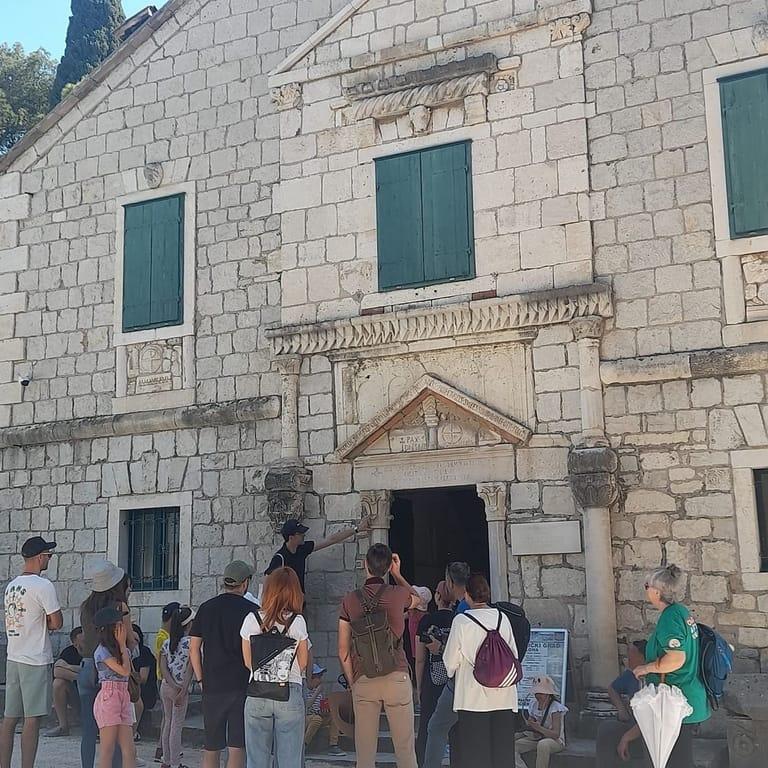
- Are there guided tours available? Guided tours are available; it's recommended to check in advance for availability.
- Is the museum wheelchair accessible? Yes, the museum is wheelchair accessible.
- Are pets allowed in the museum? Pets are not allowed inside the museum.
Nestled in the heart of Split at Ul. Zrinsko Frankopanska 25, the Archaeological Museum stands as a timeless guardian of Croatia's rich past. Established in 1820 by the Dalmatian government in Zadar, this illustrious institution proudly holds the title of the oldest museum in Croatia. Its collections span a remarkable range from prehistoric artifacts to medieval treasures, offering visitors a deep dive into the region's vibrant history.
The museum’s origin dates back to 1820 when the Dalmatian government founded it in Zadar, marking a pivotal moment for cultural preservation in the region. Nearly a century later, in 1912, a new museum building was constructed in an elegant neo-Romanesque style, reflecting the architectural tastes of the era. This newly designed edifice opened its doors to the public in 1922, establishing a dedicated space that beautifully houses its expanding archaeological collections.
Commemorating 150 years since its establishment, the museum underwent a significant renewal of its permanent display in 1970, enhancing the visitor experience and updating the presentation of its artifacts. The dawn of the new millennium brought another transformation: in 2000, the fourth permanent display was inaugurated, showcasing the museum’s commitment to evolving with the latest archaeological scholarship and exhibition standards.
This museum is renowned for its extensive collection of artifacts from the ancient Roman city of Salona, which lies close to Split, as well as from the city itself. Visitors can marvel at stone urns, exquisite Roman glassware, sarcophagi, and intricately detailed mosaics. The open-air garden adds a unique dimension to the experience, allowing guests to walk amidst ancient tombs and appreciate the remarkable craftsmanship up close. Even a fragment of a small sphinx dating back to 1400 BC can be found here, bridging millennia of history.
- Vast historical range: From prehistoric to medieval periods, including Roman ruins.
- Architectural gem: Neo-Romanesque building that itself is a piece of history.
- Unique open-air exhibits: Garden filled with ancient tombs and mosaics, a rare outdoor archaeological experience.
- Educational and engaging: Detailed descriptions and extensive information available in English, perfect for history lovers and curious travelers alike.
The Archaeological Museum in Split is not just a place to see artifacts; it is a portal to the past, offering visitors an immersive and educational journey through Croatia’s ancient civilizations and cultural heritage.
Situato nel cuore di Split, il Museo archeologico si distingue come una tappa imperdibile per gli appassionati di storia e cultura. La sua vasta collezione di reperti offre un affascinante sguardo sul passato della regione, rendendolo una meta ideale per studenti, anziani e turisti interessati all'antichità.
- Ampia collezione di reperti archeologici
- Ambientazione tranquilla in un giardino
- Accessibilità per sedie a rotelle
- Sconti per studenti e anziani
- Permesso di scattare fotografie
- Numero limitato di esposizioni interne
- Alcuni reperti sono repliche
- Segnali informativi limitati e traduzioni in inglese scarse
Situato nel cuore di Spalato, il Museo Archeologico di Spalato è un vero e proprio scrigno di tesori storici che raccontano le radici antiche della Croazia. Perfetto per appassionati di storia, famiglie e viaggiatori curiosi, questo museo offre un'esperienza coinvolgente che trasporta i visitatori indietro nel tempo.
- Collezioni di reperti dall'epoca romana e preistorica, tra cui mosaici, utensili e manufatti.
- Mostre temporanee che evidenziano la ricca storia della regione.
- Opportunità di partecipare a visite guidate e laboratori didattici.
Se sei un appassionato di archeologia o semplicemente desideri immergerti nella cultura croata, il Museo archeologico di Spalato è una tappa obbligatoria. Esplora le sue affascinanti esposizioni e lasciati trasportare dalle storie millenarie che plasmarono questa affascinante regione.