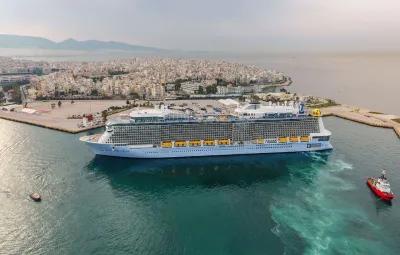
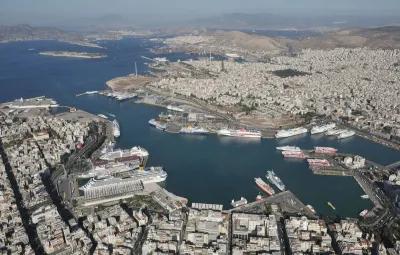
Nestled along the stunning Athenian coastline, the Port of Piraeus is more than just a ferry terminal—it's a dynamic community where tradition meets modern convenience. This bustling maritime gateway connects travelers to the enchanting Greek islands while offering a rich historical backdrop dating back to the 5th century BC. As one of Greece's largest ports, Piraeus combines efficient transport services with a welcoming atmosphere that delights both digital nomads and vacationers alike.
Navigating the Port of Piraeus is a breeze thanks to its excellent connectivity. Travelers can hop on a taxi, metro, bus, or suburban train to reach the port quickly, with the metro providing the most direct route and stations conveniently located right at the harbor entrance. Once inside, visitors enjoy free Wi-Fi, duty-free shopping, food courts serving local delicacies, and 24-hour security, making it a comfortable and secure starting point for any island adventure.
Established around the 5th century BC, the Port of Piraeus has witnessed centuries of maritime history. It was the bustling heart of Athens’ naval power during its Golden Age, playing a pivotal role in commerce and defense. Today, visitors can feel this heritage while enjoying modern conveniences and breathtaking views of countless ships setting off toward the iconic Aegean islands.
- How do I get to the Port of Piraeus from Athens city center? You can reach the port via taxi, metro, bus, suburban train, or taxi. The metro is the most direct option, with stations located right in front of the harbor (Gate E5).
- What amenities are available at the Port of Piraeus? The port offers free Wi-Fi, duty-free shops, shuttle buses, 24-hour security, public transport access, parking facilities, ATMs, currency exchange, information desks, restrooms, food courts, shopping areas, medical services, lost and found, taxi stands, car rental services, tourist information, and public restrooms.
- What is the history of the Port of Piraeus? Established around the 5th century BC, the Port of Piraeus has been a significant maritime hub throughout history, serving as the main port of Athens and playing a crucial role during the Golden Age of Athens.
Visitors consistently praise the Port of Piraeus for its blend of historical depth and modern efficiency. The friendly staff, organized terminals, and seamless transport connections set the stage for memorable journeys to Greece’s sun-kissed islands. Whether you’re savoring a coffee with spectacular harbor views or catching a ferry to explore hidden gems, Piraeus offers an authentic slice of Greek maritime spirit.
The overall sentiment within the community around Piraeus Port is overwhelmingly positive. Travelers appreciate its pivotal role as a ferry hub, the richness of its history, and the broad spectrum of amenities that enhance the travel experience. With convenient access to Athens and numerous coffee shops and shops nearby, the port is not just a transit point but a lively place to soak in Greek culture and hospitality.
- Efficient ferry services connecting to the Greek islands Access to historic sites and cultural landmarks Modern facilities including food courts, shops, and free Wi-Fi Friendly and knowledgeable port staff
Il Porto di Pireo, situato nella vivace città di Piraeus in Grecia, vanta una storia ricca e significativa che risale all'antichità. Questo porto è stato un centro nevralgico per il commercio e la marina ellenica, rivestendo un ruolo fondamentale nello sviluppo della civiltà greca antica e nella difesa del patrimonio marittimo di Atene.
Nel 493 a.C., il celebre politico e stratega Themistocle iniziò a rafforzare le difese di Pireo, trasformandolo in una base navale di primaria importanza per Atene. Questa decisione segnò un punto di svolta nella storia militare e marittima della Grecia, consolidando il porto come centro nevralgico della potenza ateniese.
Nel 480 a.C., nelle acque vicine a Pireo, si svolse la storica Battaglia di Salamina. Questo scontro decisivo tra le flotte greche e persiane rappresentò un momento cruciale nella resistenza ellenica contro le invasioni persiane, contribuendo a definire il destino della civiltà greca e rafforzando l'autonomia delle città stato della regione.
Nel 2004, Pireo ha vissuto un altro momento di grande importanza, ospitando 13 navi da crociera come hotel galleggianti durante i Giochi Olimpici di Atene. Questo evento ha sottolineato l'importanza strategica e simbolica del porto, continuando a essere un punto di riferimento nel panorama marittimo internazionale.
Il Porto di Pireo rappresenta una delle principali porte d'accesso alle isole greche, offrendo un punto di partenza essenziale per i viaggiatori che desiderano esplorare il Mar Egeo. Grazie alla sua posizione strategica e alla vasta rete di trasporti pubblici, è facilmente raggiungibile e ben collegato con diverse parti della città e della regione circostante.
Tuttavia, visitare il porto può presentare alcune sfide. L'area può essere spesso affollata e caotica, specialmente durante l'alta stagione turistica, il che potrebbe risultare stressante per alcuni visitatori. Inoltre, alcune zone possono mancare di pulizia e i posti a sedere nelle aree di attesa sono limitati, rendendo l'attesa meno confortevole.
Nestled along the vibrant coastline of Piraeus, Greece, the Port of Piraeus is not just a point of departure — it's an exhilarating experience for travelers and locals alike. This bustling maritime hub offers seamless connections to the breathtaking Greek islands, including the Cyclades, Dodecanese, Saronic Islands, North Aegean Islands, and Crete, making it an essential gateway for island hopping adventures.
The port boasts regular ferry services that connect passengers to numerous stunning island destinations without any hassle or added ticket costs. Whether you’re planning a spontaneous day trip or an extended island getaway, the expansive ferry network ensures convenient and frequent departures. Plus, the cruise terminal is designed to accommodate multiple cruise ships at once, featuring amenities like free Wi-Fi, duty-free shopping, and shuttle buses that enhance the traveler’s comfort and ease.
Getting to and from the Port of Piraeus is incredibly simple thanks to its excellent transportation infrastructure. Visitors can utilize the metro, buses, suburban trains, and taxis, offering flexible and affordable options for commuting between Athens city center and the port. This well-integrated network means no stressful transfers and easy access to your next Greek adventure.
- Friendly and efficient staff: Visitors praise the calm and helpful personnel who manage the busy port with ease.
- Clean and organized terminals: The well-maintained facilities ensure a smooth embarkation and disembarkation experience.
- Coffee and views: Enjoy great coffee while taking in fantastic sights of the bustling harbor and ships.
- Ideal starting point for cruises: Its strategic location makes it a premier embarkation point for Mediterranean and Aegean cruises.
Whether you're a seasoned traveler eager to explore Greece's captivating islands or a curious visitor ready to soak in local maritime culture, the Port of Piraeus offers an unbeatable mix of convenience, charm, and authentic Greek hospitality.
Located at 10 Akti Miaouli Street in Piraeus, Greece, this dynamic port is easily accessible and well-connected to Athens and surrounding regions. The combination of excellent ferry routes, a modern cruise terminal, and multiple transport options makes it the ultimate hub for embarking on unforgettable Greek island adventures.
- Explore numerous ferry connections to iconic islands from the Cyclades to Crete and beyond.
- Utilize free amenities like Wi-Fi and shuttle services at the cruise terminal.
- Enjoy easy access to Athens city center via metro, buses, suburban trains, or taxis.