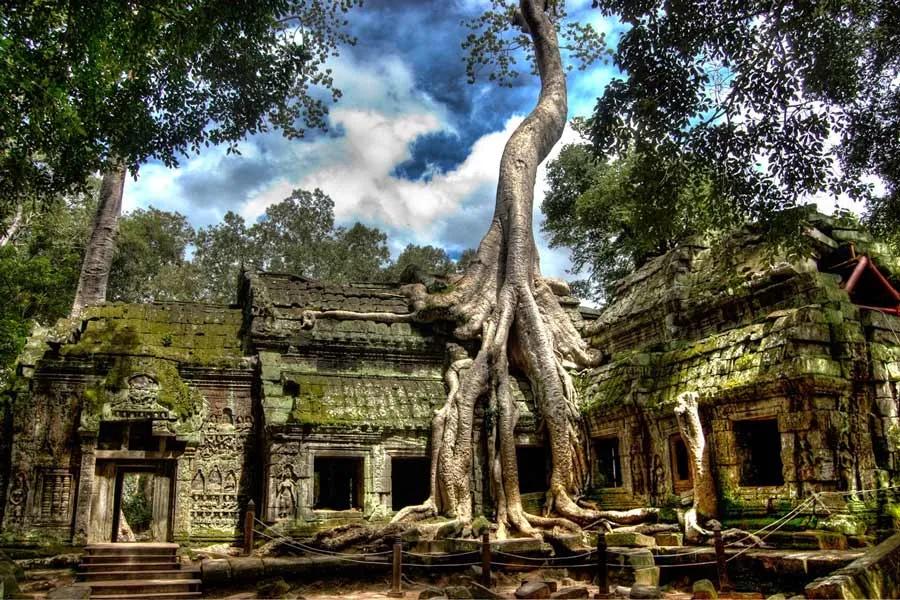
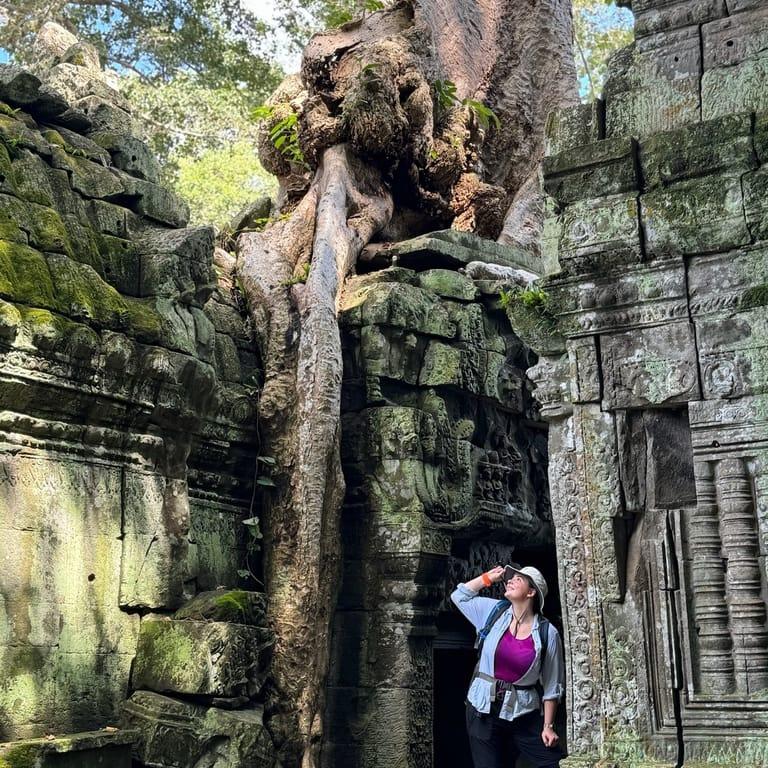
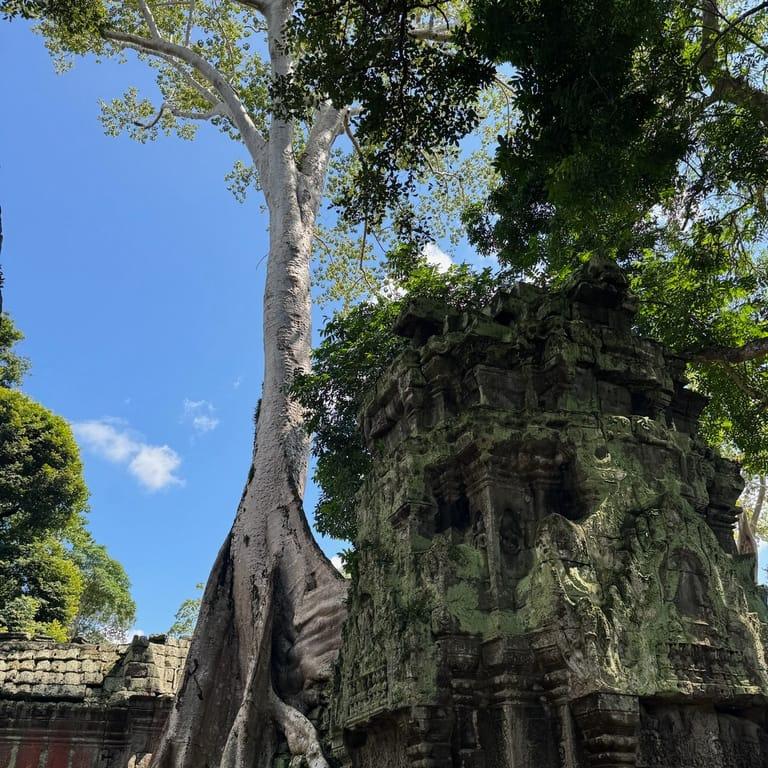
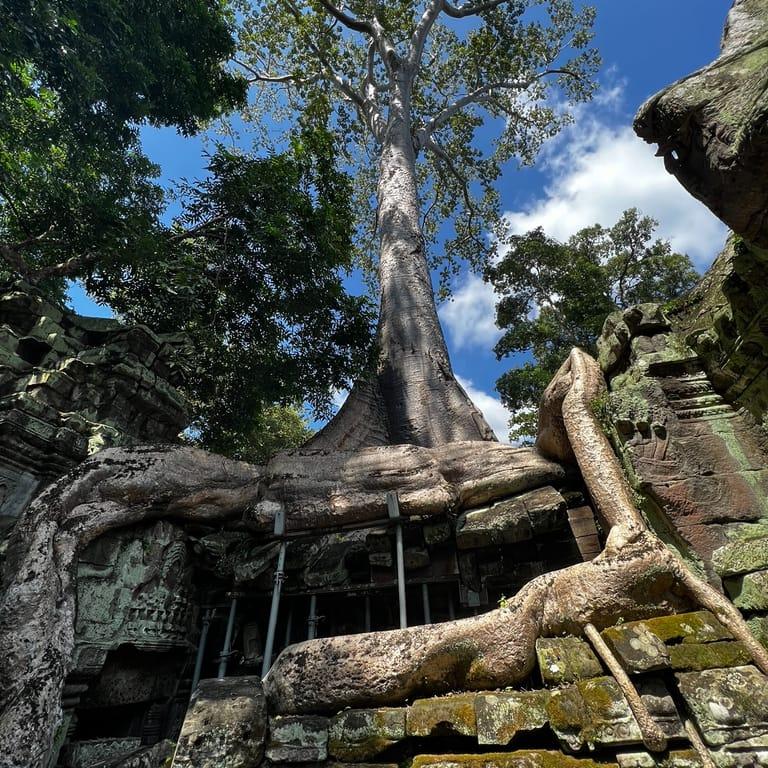
Nestled in the heart of Krong Siem Reap, Cambodia, Ta Prohm Temple offers visitors a mesmerizing journey into a world where ancient architecture meets the wild embrace of nature. Famous worldwide as the mystical "Tomb Raider" temple, this breathtaking 12th-century Buddhist site is renowned for its towering silk-cotton and strangler fig trees whose roots wrap around crumbling stone walls, creating a surreal and cinematic landscape unique to the Angkor Archaeological Park.
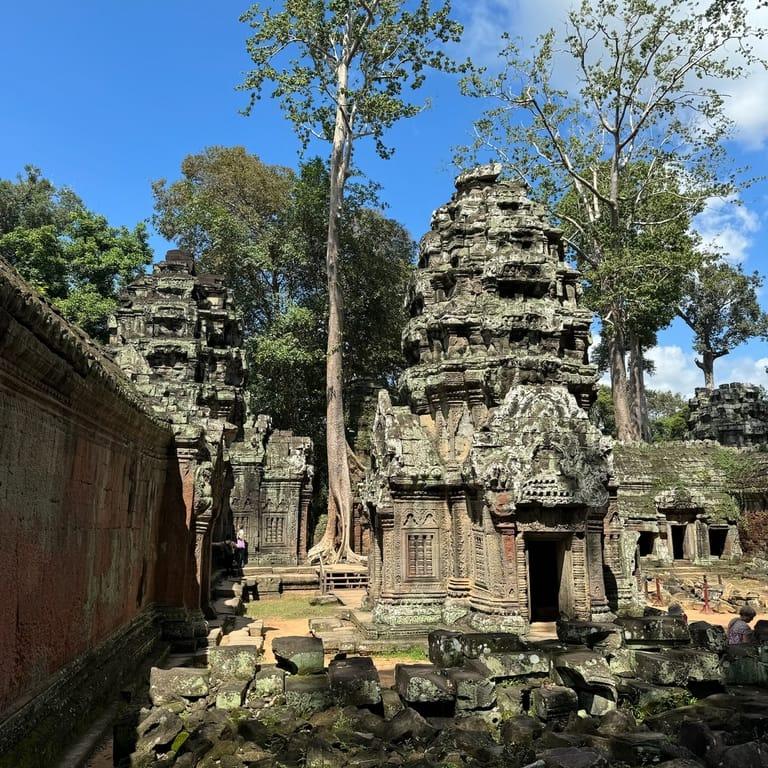
Walking through Ta Prohm feels like stepping into a lost world frozen in time. The temple’s labyrinthine corridors and open courtyards are overgrown with massive roots that give the site a haunting yet peaceful atmosphere. Unlike other temples in the region, Ta Prohm has been conserved in its natural state, showcasing the delicate balance between preservation and nature’s reclamation. This fusion creates a photographer’s paradise and a spiritual experience that leaves a lasting impression on history buffs, nature lovers, and adventure seekers alike.
- Iconic cinematic location featured in the 2001 movie Tomb Raider, offering a magical and recognizable backdrop.
- Natural wonder with silk cotton and strangler fig trees intertwining with stone ruins creating a surreal atmosphere.
- Culturally rich history offering insight into Khmer architecture and spiritual heritage preserved with expert conservation efforts.
- Peaceful ambiance especially during early morning or late afternoon when light filters through the canopy and crowds are thinner.
Visitors consistently praise Ta Prohm for its majestic and surreal beauty, often describing it as one of the most stunning temples in Cambodia. The interplay of ancient ruins with the wild roots of silk cotton trees creates a fantastic ambiance that captivates both photographers and explorers. Many highlight the peaceful, almost spiritual feeling the temple invokes, especially when visited during quieter hours. The presence of local musicians playing traditional melodies further enhances the magical atmosphere, making every visit a unique sensory experience.
- What is the best time to visit Ta Prohm Temple? Early morning or late afternoon to avoid crowds and enjoy a more tranquil experience.
- Is Ta Prohm Temple wheelchair accessible? Ta Prohm is not currently wheelchair-accessible due to stairs and uneven terrain.
- Are there any dining options within Ta Prohm Temple? There are no restaurants within Ta Prohm itself, but dining options are available in the surrounding area.
- Is there an entrance fee to visit Ta Prohm Temple? Yes, Ta Prohm is included in the Angkor Archaeological Park ticket, which costs $37 for a one-day pass.
- Can I hire a guide at Ta Prohm Temple? Yes, hiring a knowledgeable guide is recommended to fully appreciate the historical and cultural context of Ta Prohm.
Nestled within the dense jungles of Krong Siem Reap, Cambodia, Ta Prohm Temple stands as a breathtaking testament to the grandeur of the Khmer Empire. Originally constructed in 1186 AD by the visionary King Jayavarman VII, this remarkable temple was dedicated as a Buddhist monastery and university honoring his mother. Its ancient stone ruins, dramatically entwined with towering silk-cotton and strangler fig trees, create an unforgettable "temple in the jungle" ambiance, captivating history lovers and nature enthusiasts alike.
Ta Prohm’s story begins in 1186 when its construction was commissioned by King Jayavarman VII, one of Cambodia’s greatest monarchs. Built as a spiritual and educational center, it flourished as a vibrant hub of Buddhist worship and scholarship. However, the temple’s prominence waned following the decline of the Khmer Empire around the 15th century, leading to its abandonment and gradual reclamation by the surrounding jungle.
- 1186 Construction of Ta Prohm Temple begins under King Jayavarman VII, marking the height of Khmer architectural achievement.
- 15th century The temple is abandoned following the fall of the Khmer Empire, allowing nature to slowly overtake the structure.
- 19th century Rediscovered by French archaeologists, Ta Prohm emerges from obscurity and begins its journey of preservation.
- 1992 Ta Prohm is inscribed on the UNESCO World Heritage List, recognizing its cultural and historical significance.
- 2001 The temple gains global fame as a filming location for the blockbuster movie 'Lara Croft: Tomb Raider,' capturing imaginations worldwide.
One of Ta Prohm’s most iconic features is the way nature has intertwined with its ancient stone walls. Massive silk-cotton trees and strangler figs have grown over and through the temple, their roots weaving mesmerizing patterns that amplify the temple's mystical aura. This delicate balance between conservation and natural reclamation has been carefully maintained through international collaboration, notably involving the Indian government, to preserve the temple’s unique "ruins in the jungle" appearance while ensuring its structural integrity.
Ta Prohm offers visitors a rare glimpse into a lost world where history and wilderness coexist in breathtaking harmony. Exploring its maze-like corridors and courtyards, especially during quieter hours, provides an almost spiritual experience that lingers long after your visit.
Beyond its historical importance, Ta Prohm captivates visitors with its cinematic fame and ethereal beauty. Known worldwide as the "Tomb Raider Temple," thanks to its starring role in the 2001 film, it continues to draw travelers seeking an authentic and photogenic adventure. Whether you are a history aficionado, a nature lover, or a curious explorer, Ta Prohm’s enigmatic charm and well-preserved ruins offer a unique, immersive experience that epitomizes the magic of Cambodia’s Angkor region.
シェムリアップにあるタ・プローム寺院は、ユネスコの世界遺産に登録されている歴史的な名所です。古代の建築と自然の融合が生み出す独特の雰囲気が、訪れる人々を魅了します。特に、巨大な木の根が神秘的な景観を演出し、まるで時代を超えた世界に迷い込んだような感覚を味わえます。映画『レイラ・クロフト:トゥームレイダー』にも登場し、その人気も相まって、多くの観光客が訪れるスポットです。
ただし、いくつかの課題も存在します。まず、地形が不均一なため、車椅子利用者には完全なアクセスが難しい場合があります。また、基本的な施設、例えばトイレやお土産ショップはありますが、数が限られているため、快適さには限界があります。さらに、観光シーズンのピーク時には混雑が予想され、ゆったりとした観光を望む方には少し不便かもしれません。
Nestled in the lush jungles of Krong Siem Reap, Cambodia, Ta Prohm Temple is a mesmerizing relic of the 12th century that captures the imagination of every traveler. Famously known as the Tomb Raider Temple , this unique site blends the wild beauty of towering silk-cotton and strangler fig trees with the haunting remains of Khmer architecture. The intertwining roots and crumbling stones create an atmosphere that feels like stepping into a forgotten world, offering visitors an unforgettable glimpse into Cambodia's rich cultural heritage and the unstoppable force of nature.
Exploring Ta Prohm is like wandering through a living museum where the past and present merge in stunning harmony. The temple's corridors and courtyards are framed by gigantic tree roots that have grown over and through the stones, creating surreal, photogenic scenes that attract photographers and history buffs alike. Unlike other Angkorian temples, Ta Prohm remains in a largely unrestored 'natural state,' preserving the delicate balance between conservation and the wild charm of its overgrown vegetation.
- Iconic location featured in the Tomb Raider film, captivating movie fans worldwide.
- Unique fusion of ancient ruins with wild silk-cotton and strangler fig trees, creating a natural cathedral like no other.
- Serene and mystical atmosphere especially magical during early morning or late afternoon light.
- Important cultural conservation site with ongoing restoration supported by international cooperation.
- A photographer’s paradise with countless stunning photo opportunities throughout the temple grounds.
To make the most of your visit, consider arriving early to enjoy the peaceful ambiance before the crowds gather. Wear comfortable shoes as the terrain can be uneven with roots and stones. Don’t forget your camera or smartphone to capture the breathtaking fusion of nature and history. Staying hydrated is essential under Cambodia’s warm sun, and hiring a knowledgeable local guide can enrich your experience with fascinating stories about the temple’s past and restoration efforts.