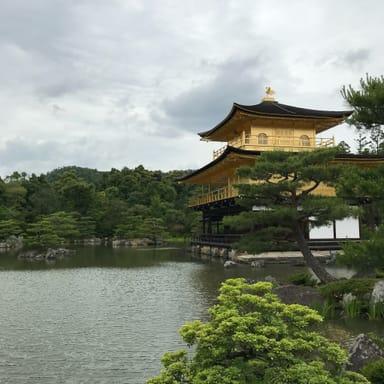
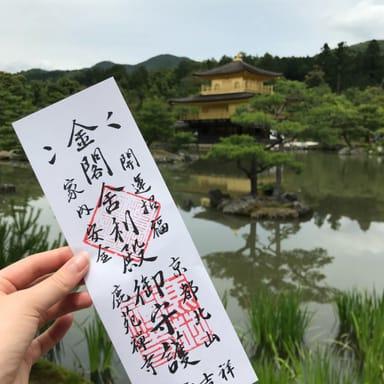
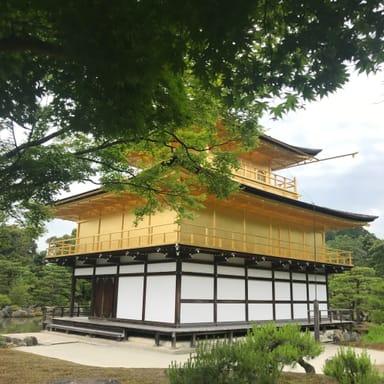
Nestled in the serene Kita Ward of Kyoto, Kinkaku-ji, also known as the Golden Pavilion, is a must-visit attraction for travelers drawn to Japan’s rich history and breathtaking architecture. This historic temple dazzles visitors with its stunning facade covered entirely in gold leaf, reflected perfectly in the tranquil pond that surrounds it. Beyond its gleaming exterior, Kinkaku-ji offers a peaceful stroll through beautifully landscaped gardens and smaller shrines that evoke a timeless sense of calm and reverence.
The layout of Kinkaku-ji is designed as a one-way loop, guiding you from the entrance past the Golden Pavilion and through various smaller temples and scenic spots before you exit. This makes for a relaxing visit where you can take your time capturing the perfect panoramic photos and soaking in the atmosphere. To avoid the rush, early morning visits around the opening time of 9:00 AM are highly recommended. Crowds tend to build quickly, especially mid-morning when tour buses arrive, so early arrivals enjoy a more tranquil experience to admire the temple’s shimmering beauty.
Breathtaking views and a peaceful ambiance define the visit here. Many visitors describe the temple as looking exactly like it’s made of gold, creating a magical effect especially during autumn when vibrant foliage surrounds the grounds. Though the temple itself is not accessible inside, the exterior and gardens provide ample opportunity to experience Japanese culture and heritage. Friendly staff maintain the site carefully, and the admission fee is modest, supporting preservation efforts.
- Location and access: Situated in the peaceful Kinkakujichō neighborhood of Kyoto’s Kita Ward, the temple is accessible via bus or taxi since it is not reachable by train.
- Admission fee: 400 yen for adults and 300 yen for students, ensuring an affordable cultural experience.
- Accessibility: The path to the temple is wheelchair accessible, although some areas within the grounds have stone steps.
- Pet policy: Pets are not permitted on the temple grounds to preserve the tranquility and cleanliness of the site.
- What are the operating hours of Kinkaku-ji? Kinkaku-ji is open daily from 9:00 AM to 5:00 PM.
- Is there an admission fee to visit Kinkaku-ji? Yes, the admission fee is 400 yen for adults (high school students and above) and 300 yen for elementary and junior high school students.
- Can visitors enter the Golden Pavilion? No, visitors are not permitted to enter the Golden Pavilion.
- Is Kinkaku-ji wheelchair accessible? Yes, the path leading up to the Golden Pavilion is wheelchair-accessible. However, some areas within the temple grounds may have stone stairs.
- Are pets allowed at Kinkaku-ji? No, pets are not allowed on the temple grounds.
Visitors overwhelmingly express positive sentiment about Kinkaku-ji, often describing it as a stunning and tranquil highlight of Kyoto. Many praise the shimmering golden temple as a breathtaking sight, especially complemented by seasonal colors like autumn leaves. The peaceful gardens and reflective pond add to the meditative atmosphere, making it a top spot for photography and cultural immersion. While crowds can be busy during peak hours, early visits or late afternoons provide a more serene experience. The temple’s historical significance and meticulous upkeep resonate deeply with travelers seeking authentic Japanese traditions.
京都の象徴、金閣寺の歴史とその魅力を辿る旅。
金閣寺は、1397年に室町幕府の将軍、足利義満のための隠居所として建てられました。彼の死後、この美しい建築は禅宗の寺院へと変貌を遂げ、その後何世紀にもわたり日本の歴史と文化の象徴となっています。金閣寺は、その名の通り、上層階が金箔で覆われており、これは仏陀の悟りを象徴しています。
長い歴史の中で、金閣寺は火災に見舞われ、何度も再建されてきました。最も最近の再建は1955年で、その際には火災により焼失した建物が見事によみがえりました。火災は1950年に放火によるものでしたが、その後の修復作業により、金閣寺は再びその輝きを取り戻し、訪れる人々を魅了し続けています。
歴史的な背景とともに、その壮麗さをご堪能ください。
- 金箔に覆われた外観は、写真映え抜群。
- 四季折々の景色が楽しめる庭園。
- 歴史的な火災や再建の物語。
- 禅の精神と日本文化の象徴。
Kinkaku-ji, or the Golden Pavilion, stands as a breathtaking emblem of Kyoto's rich history and architectural beauty. Nestled amidst serene gardens and a reflective pond, this UNESCO World Heritage Site captivates visitors with its stunning golden facade adorned with gold leaf that shimmers in the sunlight. The temple, built in the 14th century, serves as a tranquil retreat, offering a glimpse into Japan's cultural heritage and spiritual significance. Its harmonious blend of nature and architecture creates an atmosphere that enchants all who enter.
Kinkaku-ji is ideal for travelers seeking a glimpse into traditional Japanese culture, photographers eager to capture its ethereal beauty, and anyone looking to escape the bustling city for a moment of tranquility. Whether you are an art enthusiast, a history buff, or simply a nature lover, this temple offers a captivating experience that resonates with all visitors.
Visitors should plan their trip accordingly, as Kinkaku-ji opens its doors at 9 AM. Arriving early is recommended to avoid the heavy tourist influx that usually begins shortly after opening. The grounds are wheelchair accessible, making it easy for everyone to enjoy the beautiful pathways that lead around the temple. Additionally, guests can indulge in traditional matcha tea at the teahouse while soaking in the stunning views of the pavilion reflected in the pond.
In essence, Kinkaku-ji is more than just a temple; it is a cultural treasure that showcases the beauty of traditional Japanese architecture. With its rich history, picturesque gardens, and the serene ambiance, it is a must-visit for anyone traveling to Kyoto. Despite the potential for crowds, the experience remains deeply rewarding, leaving visitors with lasting memories of Japan's stunning heritage.
Don't miss the opportunity to explore Kinkaku-ji during your trip to Kyoto. Whether you're capturing the golden reflections in the pond or enjoying a cup of matcha tea, the memories made here will surely enrich your understanding of Japan's cultural landscape. Plan your visit today and immerse yourself in this iconic destination.
Nestled in the historic city of Kyoto, Kinkaku-ji, also known as the Golden Pavilion, offers an unforgettable glimpse into traditional Japanese beauty and spirituality. This iconic three-story temple dazzles visitors with its exterior lavishly coated in gleaming gold leaf, creating a breathtaking sight that seems to float above the surrounding landscape.
At the heart of Kinkaku-ji lies the Shariden, or Golden Pavilion, a mesmerizing structure housing sacred relics of the Buddha. With an entrance fee of 400 JPY, visitors can admire the exquisite architecture and the temple’s spiritual significance. Complementing this is Kyōko-chi, the Mirror Pond, a serene body of water that perfectly reflects the Golden Pavilion. Surrounded by meticulously landscaped gardens, the pond provides a peaceful setting ideal for contemplation and photography.
While Kinkaku-ji is undoubtedly a must-see landmark in Kyoto, timing your visit is key to fully enjoying its tranquil ambiance. Arriving early, preferably before the temple opens at 9 am, gives you a head start to experience the pavilion with fewer tourists around. The temple grounds include smaller shrines and quaint shops, offering a leisurely one-way loop from entrance to exit that invites visitors to take their time capturing perfect photos.
- Best time to visit - Early morning to avoid tour bus crowds and enjoy peaceful views.
- Admission fee - 400 JPY grants access to both the pavilion and the garden surrounding the Mirror Pond.
- Getting there - Accessible by bus or taxi, located in the Kita Ward area of Kyoto.
Whether you’re a history enthusiast, a photography lover, or simply seeking a serene escape amidst Kyoto’s vibrant culture, Kinkaku-ji offers a captivating experience. The shimmering golden facade against the backdrop of seasonal foliage, especially stunning in autumn, makes for memories and photographs that last a lifetime. Don’t miss this jewel of Japan’s heritage on your next trip to Kyoto.