Korea Town
Los Angeles, United States
Koreatown Los Angeles History Overview
Koreatown in Los Angeles is a dynamic neighborhood that reflects a rich history of Korean immigration and cultural growth in the United States. From its humble beginnings in the early 1900s as a small community of Korean immigrants, it has blossomed into a vibrant area renowned for its unique cultural heritage and diverse population.
Key historical milestones
The foundation of Koreatown's story begins in 1882, when the United States and Korea established formal diplomatic relations. This historic event paved the way for Korean immigration to America, setting the stage for future community development.
By 1930, Koreans had begun to establish roots in Los Angeles, numbering approximately 650 residents. This small but determined group founded churches, restaurants, and community organizations that would form the backbone of the area's cultural identity.
A pivotal moment occurred in 1965 with the passage of the Immigration and Nationality Act, which removed previous restrictions on Asian migration. This legislative change led to a significant increase in Korean immigration, greatly expanding the community in Los Angeles over the subsequent decades.
Community recognition and growth
In 1982, local residents successfully advocated for the installation of the very first Koreatown sign. This was a significant symbol of community pride and identity, marking Koreatown as a distinct and recognized neighborhood within Los Angeles.
Further bolstering its modern identity, Koreatown was designated as a special graphics district in 2008. This designation allowed the neighborhood to embrace vibrant digital signage and electronic billboards, blending its rich cultural heritage with a contemporary urban aesthetic.
- 1882 - The United States and Korea established diplomatic relations, paving the way for Korean immigration.
- 1930 - Roughly 650 Koreans lived in Los Angeles, founding churches, restaurants, and community groups.
- 1965 - The Immigration and Nationality Act removed Asian migration restrictions, increasing Korean immigration.
- 1982 - Residents lobbied for and installed the first Koreatown sign, marking community recognition.
- 2008 - Koreatown designated a special graphics district, welcoming digital signage and billboards.
Korea Town at a glance
Located at the vibrant intersection of Olympic Blvd and Vermont Ave in Los Angeles, Korea Town is a cultural hub that offers an authentic taste of Korean cuisine. This lively neighborhood is known for its diverse dining options and vibrant nightlife, making it a must-visit for food enthusiasts and cultural explorers alike.
Pros
- Authentic Korean cuisine
- Vibrant nightlife
- Diverse cultural experiences
- Friendly community
- Variety of dining options
Cons
- Parking challenges
- Can be crowded during peak hours
- Some establishments may have limited seating
Ideal for
Korea Town is ideal for food lovers, cultural enthusiasts, and anyone looking to experience the rich flavors of Korean cuisine. Whether you're planning a casual dinner with friends or a lively night out, this neighborhood offers a variety of options to suit every occasion.
Things to know before visiting
Visitors should be prepared for potential parking challenges, especially during peak hours. It's advisable to arrive early to secure a spot. Additionally, some establishments may have limited seating, so consider making reservations if possible.
Overall impression
Korea Town is a dynamic neighborhood that beautifully showcases the essence of Korean culture through its food and community. With a rich array of dining options and a friendly atmosphere, it stands out as a vibrant destination for both locals and visitors. Embrace the flavors and experiences that await in this lively part of Los Angeles.
ロサンゼルスのコリアタウンで味わう本格韓国体験

総合評価 4.5
Novaランディングページを見直せば、あなたのサイトへのトラフィックが大幅に増加します。
ギャラリー

すべての画像を見る
コメント
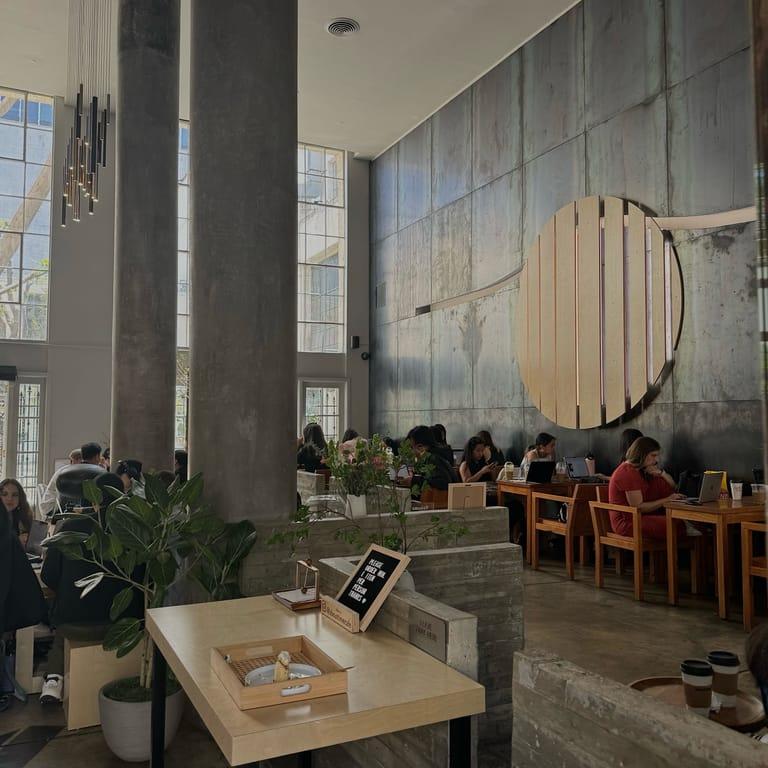
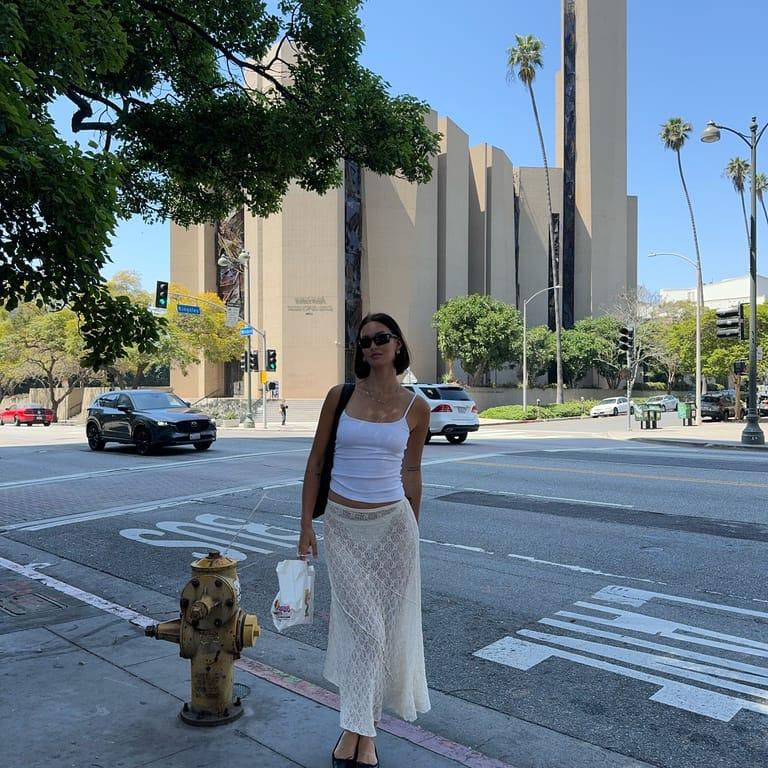
Full day in K-town. 1. Start your day with a matcha/coffe at either MEMORY LOOK, aboutime or Somemore LA 2. Walk around since K-town is like a calmer, greener DTLA. 3. Go to Chapman plaza and buy some K-beauty, if you pass by the Oasis church make sure to go in and listen to the preachers. Such an experience as a Swede. 4. Eat street food or at Plaza Palace food court, Korean BBq or ramen is a must 5. Do a pedi 6. Walk some more
See more images