Nestled in the vibrant Montrose neighborhood of Houston, Texas, the Rothko Chapel offers an extraordinary experience that transcends traditional art galleries and places of worship. This historic octagonal brick building, established in 1971 by John and Dominique de Menil, invites visitors into a tranquil world where spirituality and abstract expressionism converge. Highlighted by fourteen massive black-hued murals by the revered artist Mark Rothko, the chapel serves as a powerful space for meditation and reflection, making it a must-visit destination for art lovers, seekers of calm, and cultural explorers alike.
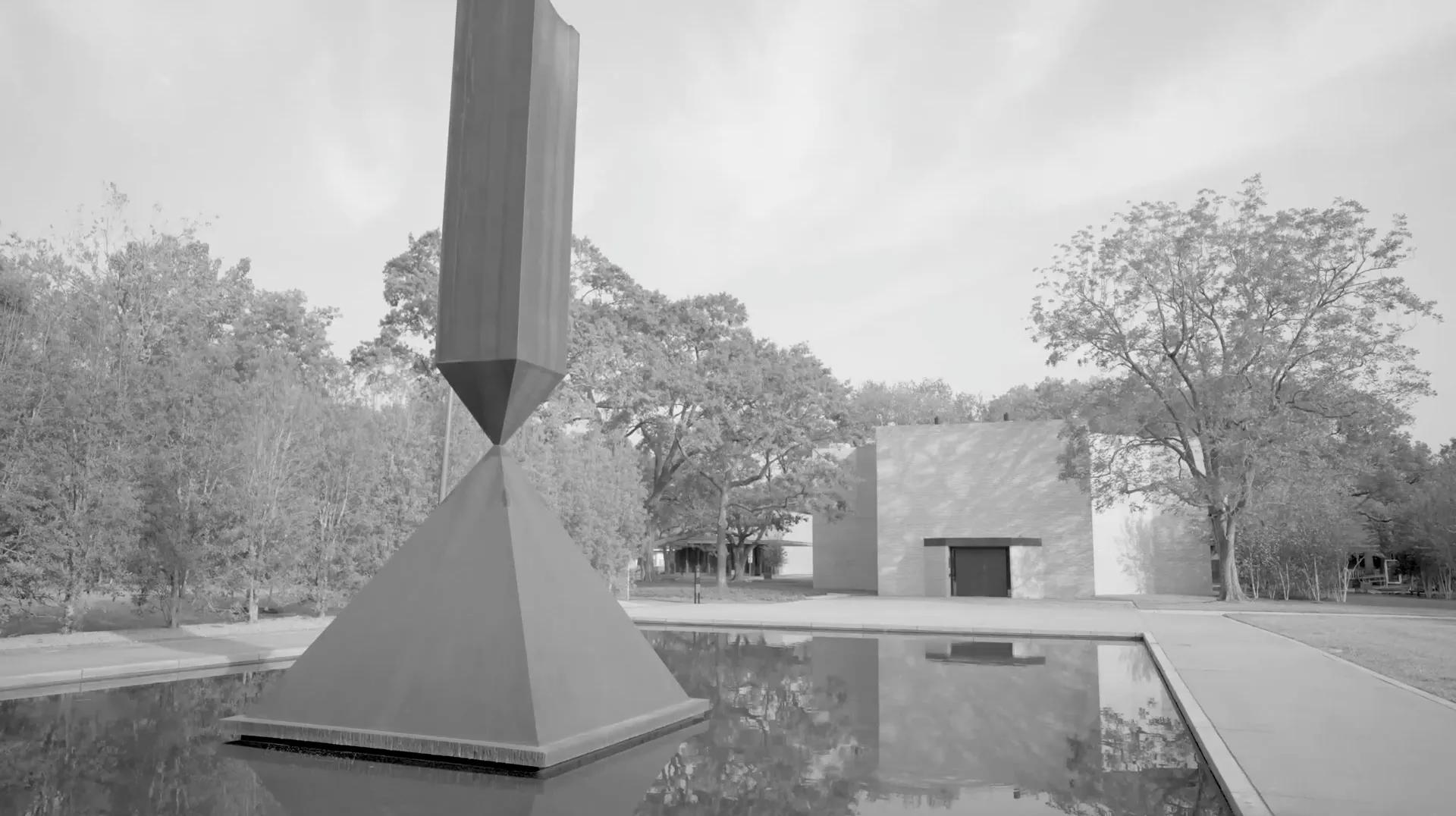
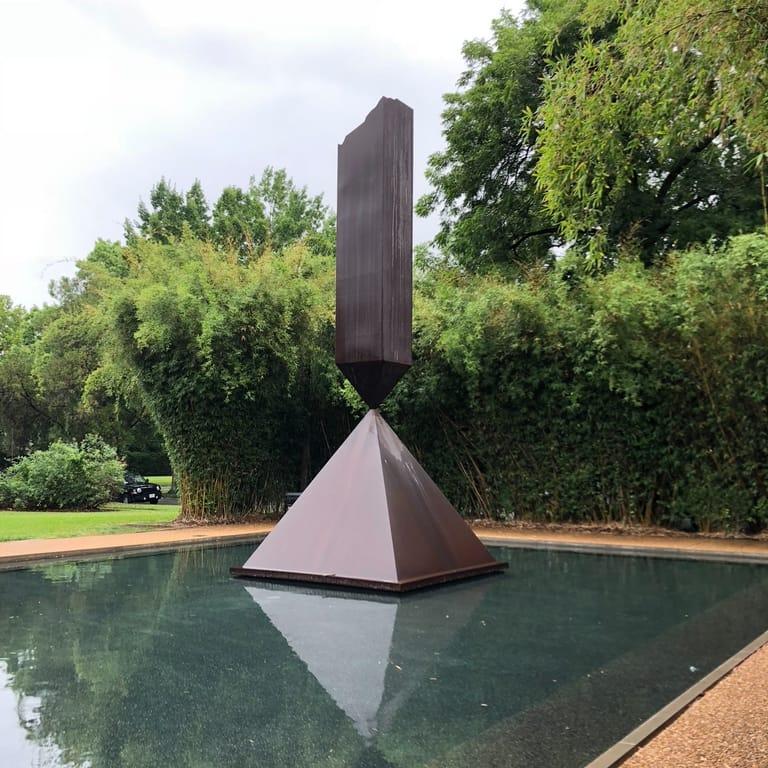
Visitors describe the Rothko Chapel as a place that evokes deep emotions through its stark and contemplative art. The dark, confining ambiance created by Rothko’s abstract paintings challenges the viewer to engage in profound introspection. Outside the chapel, the iconic "Broken Obelisk" sculpture by Barnett Newman offers a serene welcome and honors the legacy of Dr. Martin Luther King Jr. The quiet garden surrounding the chapel enhances the sense of peace and calm, providing a perfect retreat from the bustling city.
Important to note, photography is strictly prohibited inside the chapel to preserve its contemplative environment, and visitors are asked to leave food and drinks outside. The chapel is wheelchair accessible, welcoming guests of all abilities. It’s a perfect spot for quiet contemplation, whether you're visiting alone or with companions seeking a moment of stillness. Many visitors, including families with young children, find the space ideal for mindfulness and meditation practice.
- What are the visiting hours for the Rothko Chapel? The Rothko Chapel is open Tuesday through Sunday from 10:00 AM to 6:00 PM.
- Is there an admission fee to visit the Rothko Chapel? Admission to the Rothko Chapel is free, making it an accessible cultural treasure for everyone.
- Can I take photographs inside the chapel? Photography is strictly prohibited inside to maintain a peaceful atmosphere.
- Are pets allowed inside the chapel? Only service animals are permitted inside, ensuring comfort for all guests.
- Is the Rothko Chapel wheelchair accessible? Yes, the chapel is fully wheelchair accessible, welcoming visitors of all mobility levels.
The Rothko Chapel holds a cherished place within Houston’s cultural landscape. Visitors consistently praise its serene and contemplative environment, noting how the chapel offers a rare refuge for quiet reflection amid the city's hustle. Whether you are appreciative of abstract art or seeking a peaceful sanctuary for meditation, the chapel's powerful artwork and tranquil atmosphere leave a lasting impression. Many have expressed feeling inspired and moved, highlighting the chapel's unique ability to foster spiritual and emotional connection.
Experience the Rothko Chapel to embrace a moment of calm and artistic awe that will resonate long after your visit.
Nestled in the vibrant Montrose neighborhood of Houston, Texas, the Rothko Chapel stands as a profound fusion of spirituality and modern art. Founded in 1971 by visionary philanthropists John and Dominique de Menil, this non-denominational sanctuary invites visitors into a space of tranquil contemplation, marked by its iconic abstract murals and symbolic sculptures.
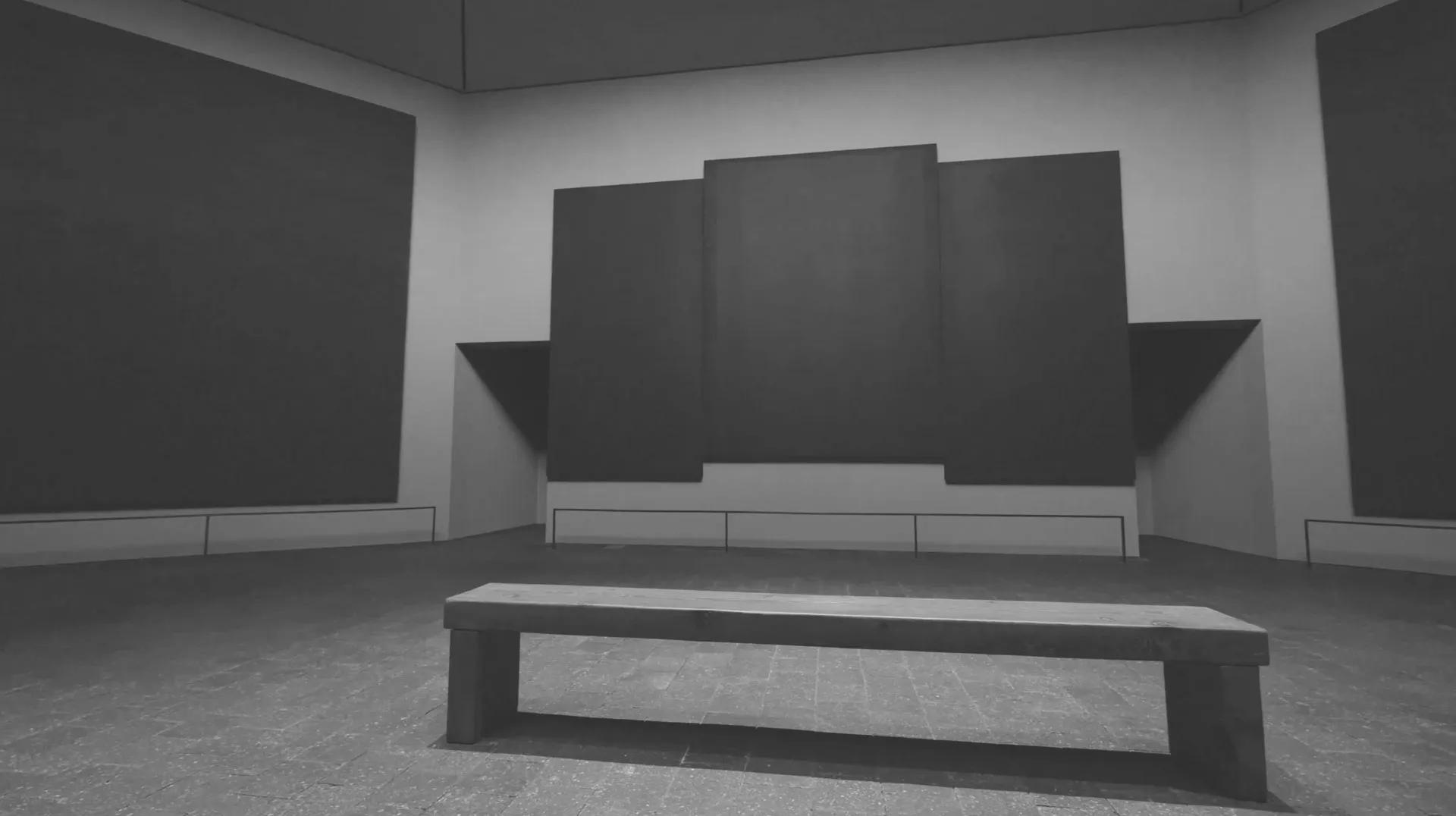
The Rothko Chapel was conceived as a unique spiritual space that transcended traditional religious boundaries. In 1971, the de Menils established this octagonal brick building to serve as a sanctuary for quiet reflection and unity among diverse faiths. Central to its interior are fourteen large-scale abstract paintings by renowned artist Mark Rothko, whose powerful use of deep, varying hues of black evokes a range of profound emotions. These murals challenge visitors to enter an intimate dialogue with art, creating an environment simultaneously dark, contemplative, and deeply moving.
Boldly and unapologetically abstract, Rothko’s murals define the chapel’s unique atmosphere, inviting visitors to experience a spectrum of emotions from serenity to anguish.
Outside the chapel, visitors encounter Barnett Newman’s striking sculpture, the “Broken Obelisk,” which pays homage to civil rights leader Dr. Martin Luther King Jr. This powerful piece sets a contemplative tone even before entering, symbolizing both struggle and hope. The chapel’s garden offers a serene, lush setting that complements the internal experience, making it a peaceful refuge within the bustling city.
- 1970: Installation of Barnett Newman’s “Broken Obelisk” sculpture outside the chapel.
- 1971: Founding of the Rothko Chapel by John and Dominique de Menil, including the installation of fourteen paintings by Mark Rothko.
- 2000: The chapel is officially listed on the National Register of Historic Places, cementing its cultural significance.
- 2024: Closure and repair of the chapel due to damage from Hurricane Beryl, followed by its reopening in December 2024.
The Rothko Chapel remains a cherished local gem and international destination for art lovers, spiritual seekers, and cultural explorers. Its solemn ambiance encourages quiet contemplation, with strict policies that maintain the space’s serenity—no photography or food and drink are allowed inside. Visitors often describe the experience as deeply moving, noting the chapel’s ability to inspire introspection and emotional connection through Rothko’s abstract art and the chapel’s peaceful environment.
- Highlights: Non-denominational spiritual sanctuary, fourteen Rothko murals, Broken Obelisk sculpture, peaceful garden, and rich cultural history.
- Visitor Tips: Visit on weekdays for a quieter experience, respect no photography rules, and leave food and drinks in the vestibule area.
Located at 3900 Yupon St, Houston, TX, Rothko Chapel is a serene sanctuary that combines art and spirituality. This non-denominational chapel features 14 large abstract paintings by Mark Rothko, creating a contemplative atmosphere that invites introspection. Free to enter and open year-round, it serves as a unique space for meditation and reflection, making it a must-visit for art lovers and those seeking tranquility.
The chapel is not just a place of worship but also a significant work of modern art, surrounded by a beautiful garden that enhances its calming ambiance.
- Serene and contemplative environment
- Free admission
- Wheelchair accessible
- Open 365 days a year
- Welcomes all beliefs
- Photography is not permitted inside
- Pets are not allowed inside
- Closed on Mondays
- Limited amenities (no food or drink allowed inside)
- May not appeal to those uninterested in abstract art
Rothko Chapel is perfect for art enthusiasts, spiritual seekers, and anyone looking for a peaceful retreat from the hustle and bustle of city life.
- Plan to spend some time in quiet reflection.
- Respect the no food and drink policy.
- No photography is allowed inside.
- The chapel is closed on Mondays.
Rothko Chapel stands as a unique intersection of art and spirituality, offering a tranquil escape in Houston's vibrant Montrose neighborhood. With its free admission and commitment to inclusivity, it invites visitors to experience the profound impact of Rothko's artwork in a space designed for reflection and peace.
ヒューストンにあるローズコ・チャペルは、アートと精神性が融合したユニークな場所です。