Verken een van Frankrijk's meest betekenisvolle historische sites
Het Camp de Rivesaltes Memorial biedt een diepgaande en emotionele kijk op een donkere periode in de geschiedenis. De tentoonstellingen zijn informatief en bieden bezoekers de mogelijkheid om te leren over de menselijke verhalen achter de geschiedenis.
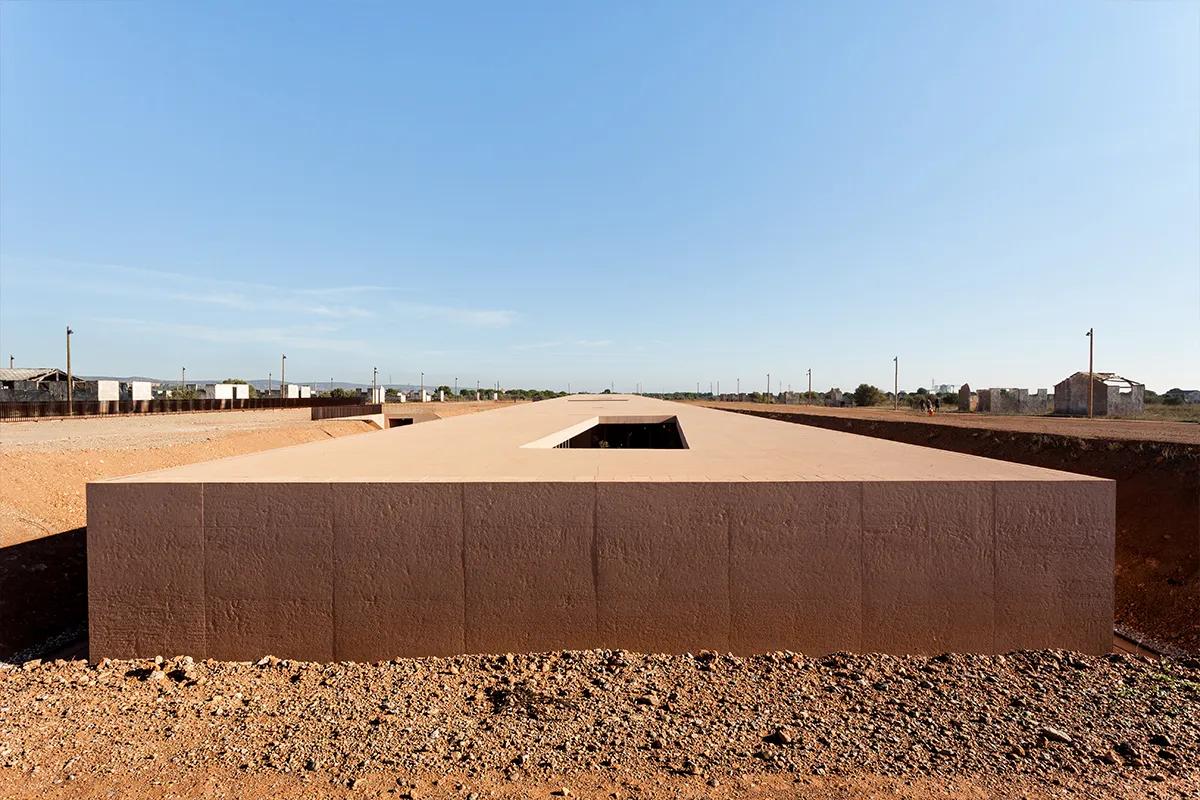
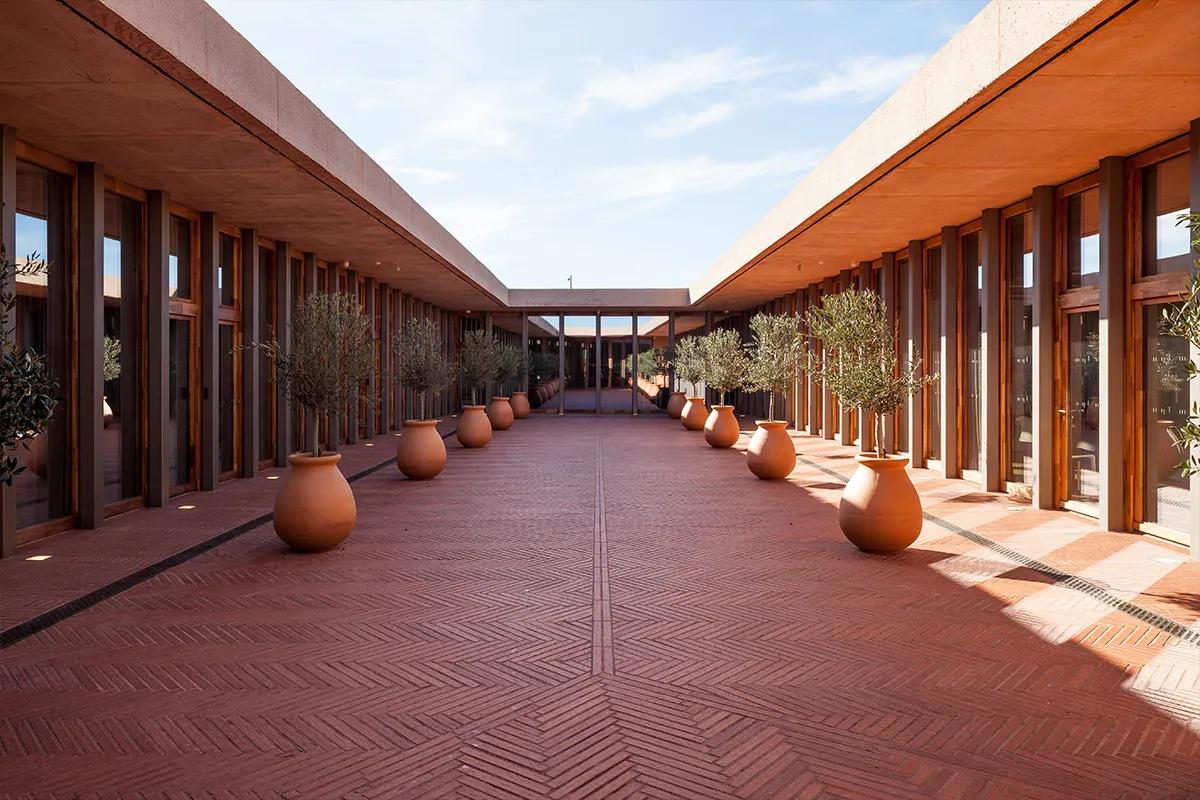
Het terrein is toegankelijk voor mensen met een beperking en de indrukwekkende architectuur benadrukt de emotionele kracht van de tentoonstellingen.
Plan je bezoek met deze handige tips
- De openingstijden variëren afhankelijk van het seizoen. Van 1 april tot 31 oktober geopend van 10.00 tot 18.00 uur, en van november tot maart op zondag tot vrijdag.
- Toegang is gratis voor jongeren onder de 18, mensen met sociale voordelen, journalisten, en andere groepen.
- Huisdieren zijn welkom buiten de gebouwen, maar moeten aan de lijn blijven.
Alles wat je moet weten voor je bezoek
- Wat zijn de openingstijden? Van april tot oktober dagelijks van 10.00 tot 18.00 uur, en de rest van het jaar op zondag tot vrijdag.
- Is het Memorial toegankelijk voor mensen met een beperking? Ja, het hele terrein is geschikt voor rolstoelgebruikers.
- Zijn huisdieren toegestaan? Honden en katten mogen buiten aan de lijn blijven, maar niet binnen.
- Wat zijn de toegangsprijzen? De standaardprijs is 9,50 euro, met kortingen voor groepen, studenten en mensen met een sociale uitkering.
Nestled in the southern French town of Salses-le-Château, the Camp de Rivesaltes Memorial stands as a poignant reminder of some of the darkest chapters of 20th-century history. Opened in 2015, this memorial pays tribute to the complex past of the Rivesaltes camp, a site that witnessed multiple waves of forced population movements, reflecting the turbulent socio-political landscape of Europe and North Africa over several decades.
The origins of the Rivesaltes camp date back to 1939, when it was initially established as a military training center amid the rising tensions preceding World War II. However, its role rapidly evolved as Europe plunged into conflict and upheaval. By 1941, the camp had transformed into a principal internment site housing Spanish Republicans fleeing the Spanish Civil War, alongside foreign Jews and Romani (Gypsy) populations, who were unjustly detained during the Holocaust era.
In 1944, the camp's use shifted again as it became a German prisoner-of-war camp, reflecting the continued strategic importance of the site during the latter stages of World War II. Following the war, the camp did not fall into disuse but adapted to new historical realities. In 1947, it served as a transit camp for the Harkis—Algerian Muslims who fought alongside French forces during the Algerian War—and their families, providing a temporary refuge amid the complex post-colonial migrations. This period underscores the camp’s role in the broader narratives of displacement and colonial legacies.
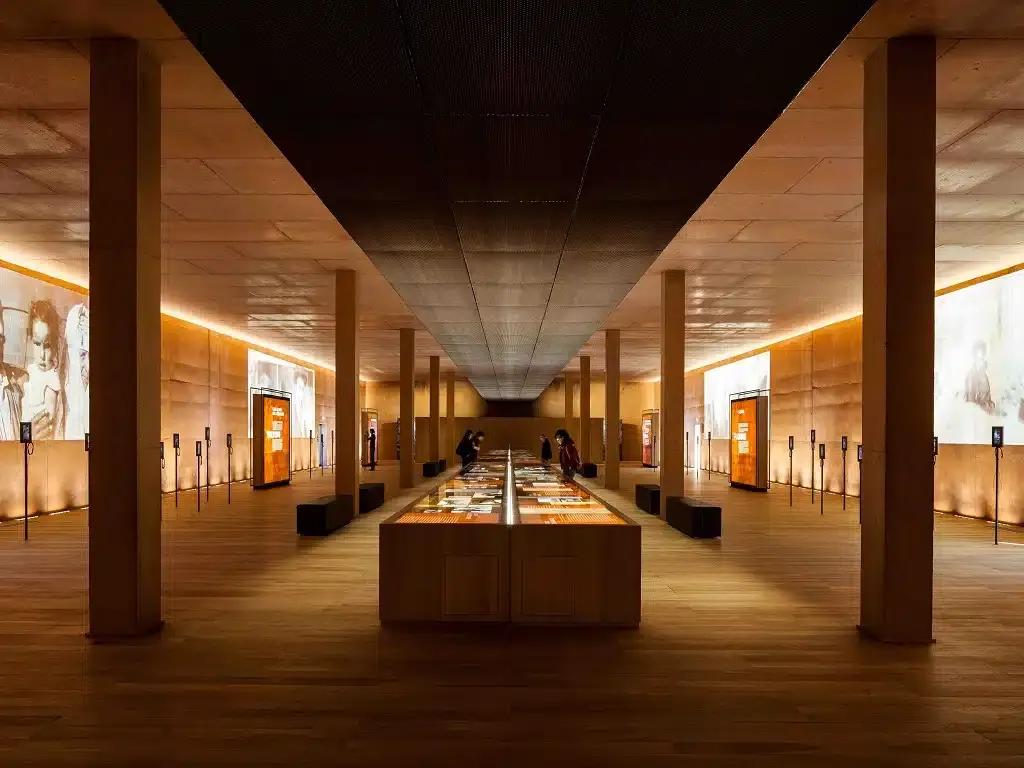
Today, the Memorial du Camp de Rivesaltes offers visitors a thoughtfully curated experience that combines historical exhibits, personal stories, maps, and diaries to illuminate the human experiences behind the dates and facts. The memorial is not only a place of remembrance but also a vital educational resource that encourages reflection on forced migrations, internment, and resilience. Visitors have praised its comprehensive and emotional presentation, describing it as a necessary visit for those seeking to understand the enduring impact of these historical events.
- 1939: Establishment of the camp as a military training center.
- 1941: Conversion into an internment camp for Spanish Republicans, foreign Jews, and Gypsies.
- 1944: Functioned as a German prisoner-of-war camp.
- 1947: Became a transit camp for Harkis and their families after the Algerian War.
- 2015: Inauguration of the Memorial du Camp de Rivesaltes.
Located in Salses-le-Château, France, the Camp de Rivesaltes Memorial stands as a poignant reminder of a dark chapter in history. This museum, established on the site of a former internment camp, offers visitors a profound insight into the experiences of those who suffered during the 20th century. With its informative and emotional exhibits, the memorial serves not only as a historical site but also as a space for reflection and education.
- Informative and emotional exhibits
- Well-preserved historical site
- Educational value
- Limited English explanations
This memorial is ideal for history enthusiasts, students, and anyone looking to understand the complexities of human rights and history. It serves as a significant educational resource for school trips and cultural visits.
Visitors should be aware that while the exhibits are well-curated, many are presented in French. It is advisable to check for guided tours that may offer English explanations. The memorial is also air-conditioned, providing a comfortable environment during warmer months.
The Camp de Rivesaltes Memorial is a must-visit for those interested in history and human rights. Its emotional and educational exhibits provide a profound understanding of the past, making it a significant cultural landmark in Salses-le-Château.
Bezoek het indrukwekkende Memorial in Salses-le-Château, Frankrijk, en ervaar een diepe duik in de geschiedenis met verschillende interactieve opties.
Voor een flexibele en informatieve manier om het Memorial te verkennen, biedt de zelfgeleide rondleiding met de videogids 'De stemmen van het Memorial' een prachtige optie. Voor slechts 9,5 euro kunt u in uw eigen tempo de buitenplaatsen en tentoonstellingen ontdekken, wat ongeveer twee uur duurt.
Voor wie meer wil weten over de geschiedenis achter het Memorial, zijn er begeleide rondleidingen beschikbaar. Deze excursies kosten 150 euro en omvatten uitleg over de geschiedenis van de locatie, een zelfgeleide tour door de permanente tentoonstelling en een vraag-en-antwoordsessie. Beschikbaar in het Spaans, Catalaans en Engels. Groepsreserveringen dienen minimaal drie maanden van tevoren te worden gemaakt.