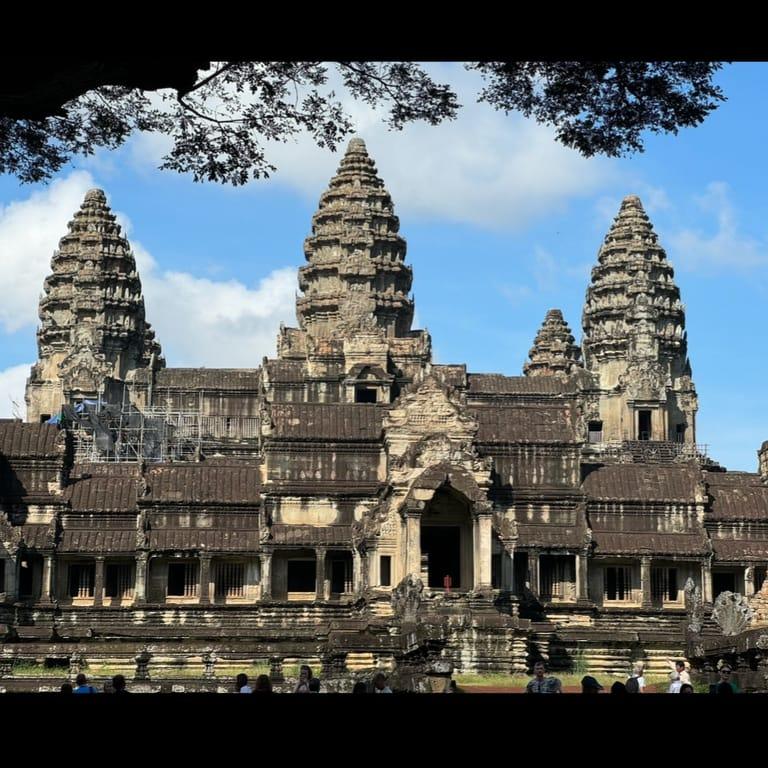
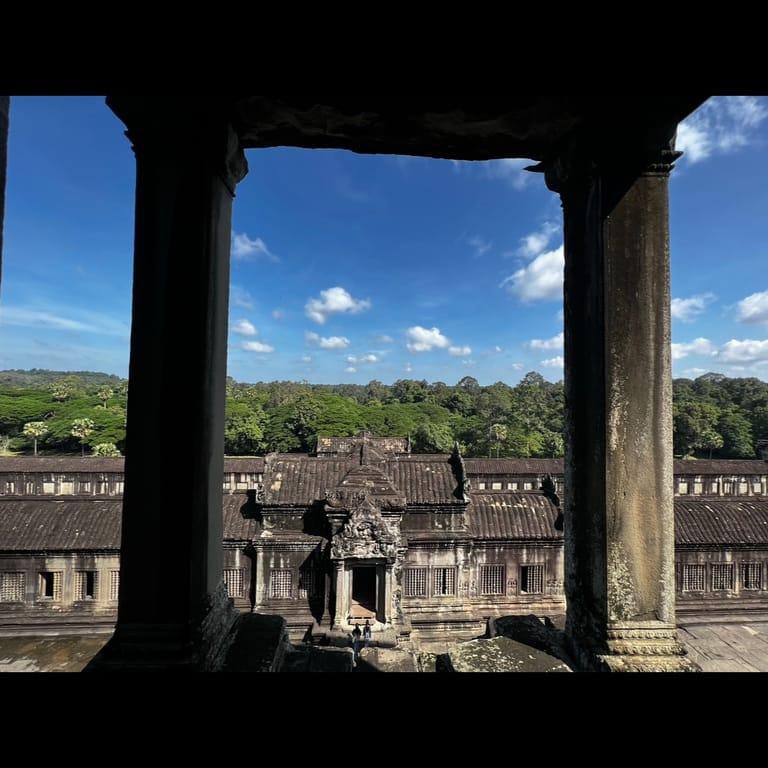
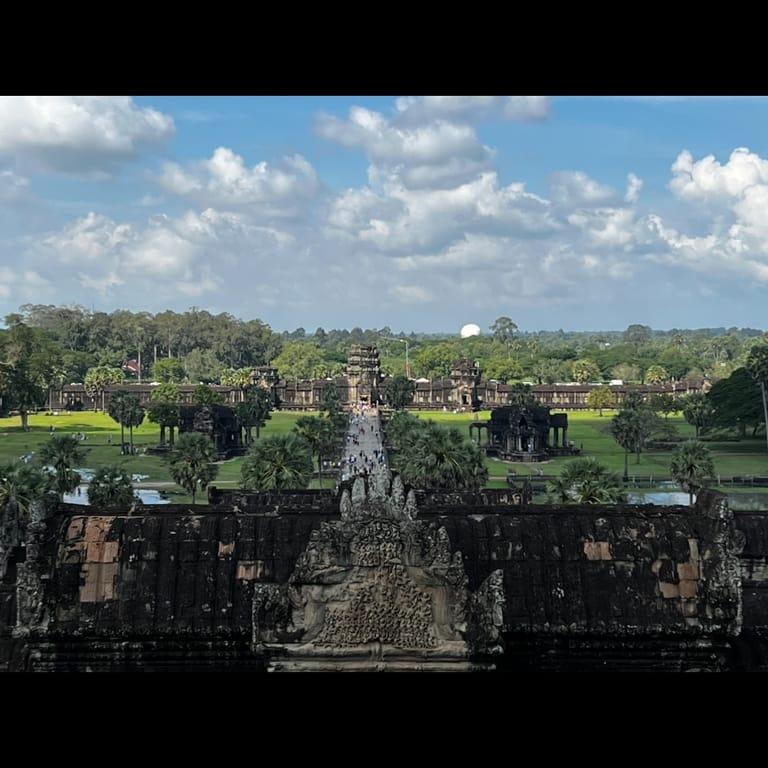
Angkor Wat to nie tylko ikona Kambodży, lecz także jedno z najbardziej imponujących miejsc na świecie, które zachwyca swoją architekturą, historią i duchową atmosferą. Położone w urokliwym mieście Siem Reap, to starożytne sanktuarium hinduistyczne przyciąga turystów z całego globu, oferując niezapomniane wrażenia i możliwości poznania bogatej kultury tego regionu.
Aby w pełni cieszyć się wizytą, zaleca się odwiedzanie Angkor Wat rano, szczególnie podczas wschodu słońca. Wczesny poranek oferuje chłodniejsze temperatury i mniej turystów, co pozwala na spokojne podziwianie tego niezwykłego miejsca. Pamiętaj, że konieczny jest zakup biletu Angkor Pass, który umożliwia dostęp nie tylko do Angkor Wat, ale także do innych świątyń w okolicy.
- Zwiedzający muszą przestrzegać zasad ubioru, zakładając zakryte ramiona i kolana jako wyraz szacunku dla miejsca kultu.
- Rekomendujemy wynajęcie lokalnego przewodnika, który pomoże głębiej zrozumieć historię i znaczenie Angkor Wat.
- Fotografowanie jest dozwolone, ale zaleca się szanować miejscowe zwyczaje i unikać używania flesza w niektórych obszarach.
- Kiedy jest najlepszy czas na odwiedziny Angkor Wat? Wczesny poranek, szczególnie podczas wschodu słońca, zapewnia chłodniejszą pogodę i mniejszą liczbę turystów, co czyni wizytę jeszcze bardziej magiczną.
- Czy muszę kupić bilet, aby odwiedzić Angkor Wat? Tak, konieczny jest zakup Angkor Pass, który uprawnia do zwiedzania świątyni i innych obiektów w regionie.
- Czy obowiązują jakieś zasady ubioru? Tak, odwiedzający powinni nosić ubrania zakrywające ramiona i kolana, jako wyraz szacunku dla miejsca kultu.
- Czy można wynająć przewodnika? Tak, rekomendujemy skorzystanie z usług lokalnych przewodników, aby w pełni docenić historię i architekturę tego niezwykłego miejsca.
- Czy można robić zdjęcia wewnątrz świątyni? Tak, fotografowanie jest dozwolone, ale należy zachować szacunek i unikać używania flesza w niektórych obszarach.
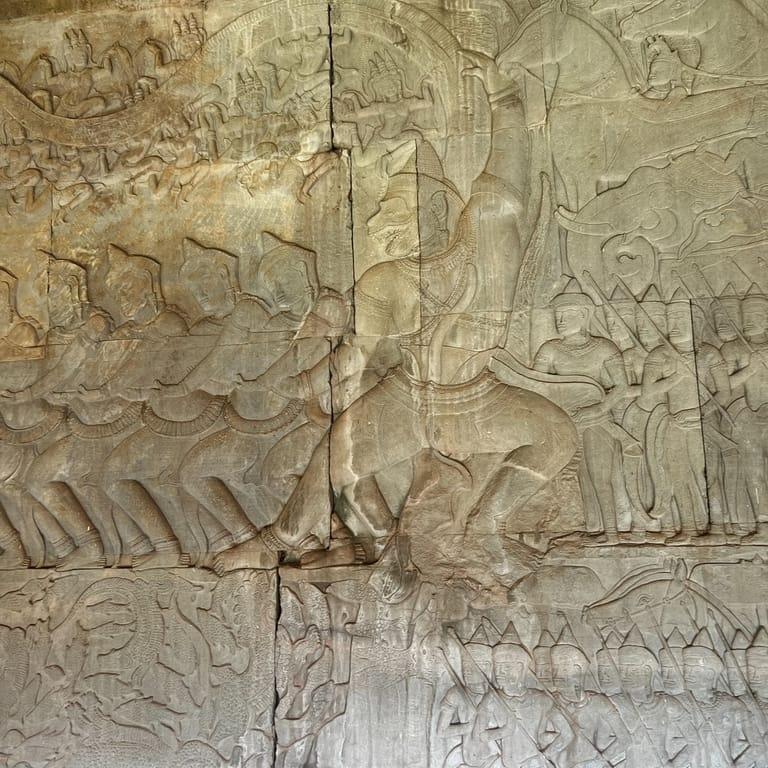
Nestled in the heart of Krong Siem Reap, Cambodia, Angkor Wat stands as a breathtaking testament to ancient architecture and spiritual devotion. This iconic temple complex, completed in 1150 under the visionary King Suryavarman II, was originally dedicated to the Hindu god Vishnu. Its vast scale and intricate bas-reliefs not only showcase the grandeur of Khmer civilization but also narrate stories steeped in mythology and history.
Angkor Wat's spiritual journey reflects Cambodia's religious evolution over the centuries. Initially a Hindu temple, it gradually transformed into a Buddhist site by the 12th century. This transition is evident in the temple's art and iconography, seamlessly blending Hindu symbolism with Buddhist motifs. Visitors can observe this fascinating coexistence, making Angkor Wat a unique cultural landmark that embodies the country's diverse spiritual heritage.
In 1992, Angkor Wat was designated a UNESCO World Heritage Site, emphasizing its global importance and the urgent need to preserve this cultural treasure. The recognition has fostered extensive conservation efforts, ensuring that the temple's stunning carvings and architectural marvels endure for future generations. Tourists flock here to witness this monumental site, offering an immersive experience into Cambodia’s rich history and artistry.
Exploring Angkor Wat is an unforgettable journey through history and spirituality. The temple’s vast grounds are surrounded by a serene moat, with intricate stone carvings depicting epic tales from Hindu and Buddhist traditions. Visitors often rise early to catch the stunning sunrise, bathing the towers in golden light — a truly magical moment. While the terrain includes steep steps and uneven surfaces, the rewarding views and cultural depth are well worth the effort.
- 1150: Construction of Angkor Wat completed under King Suryavarman II.
- 12th Century: Temple gradually transformed into a Buddhist site reflecting religious shifts.
- 1992: Designated as a UNESCO World Heritage Site, ensuring protection and preservation.
Angkor Wat, located in Siem Reap, Cambodia, is a UNESCO World Heritage Site renowned for its breathtaking architecture and rich historical significance. This sprawling temple complex, surrounded by a wide moat, features intricate carvings and offers a spiritual ambiance that captivates visitors. Ideal for both history enthusiasts and casual tourists, Angkor Wat provides a unique glimpse into the grandeur of the Khmer Empire.
- Breathtaking architecture
- Rich historical significance
- Spiritual ambiance
- UNESCO World Heritage Site
- Accessible by public transport
- Guided tours available
- Photogenic sunrise and sunset views
- Pet-friendly
- Wheelchair accessible
- Family-friendly
- Can be crowded during peak tourist seasons
- Strict dress code enforcement
- Limited on-site amenities
- Steep stairs may be challenging for some visitors
- High temperatures and humidity
Ideal for history buffs, photographers, and families, Angkor Wat is a must-see destination for anyone visiting Siem Reap. Whether you're exploring the ancient temples or capturing the stunning sunrise, this site offers a memorable experience for all.
Before visiting Angkor Wat, be prepared for high temperatures and humidity, especially during the summer months. It's advisable to carry a large water bottle to stay hydrated, as on-site vendors may charge higher prices. Additionally, consider arriving early to witness the breathtaking sunrise, and remember to adhere to the strict dress code.
Angkor Wat is more than just a historical site; it's a testament to the ingenuity and artistry of the Khmer Empire. Despite the crowds and challenges, the experience of exploring this magnificent temple complex is unforgettable. With its stunning architecture and rich history, Angkor Wat remains a highlight of any trip to Cambodia.
Odkryj Angkor Wat w Siem Reap, Kambodża,
Angkor Wat, jedna z najważniejszych atrakcji turystycznych Kambodży, to majestatyczny kompleks świątyń, który zachwyca swoją historią i architekturą. Położony w sercu Siem Reap, ten hinduistyczny zabytek jest nie tylko miejscem kultu, ale także symbolem narodowej dumy i dziedzictwa.