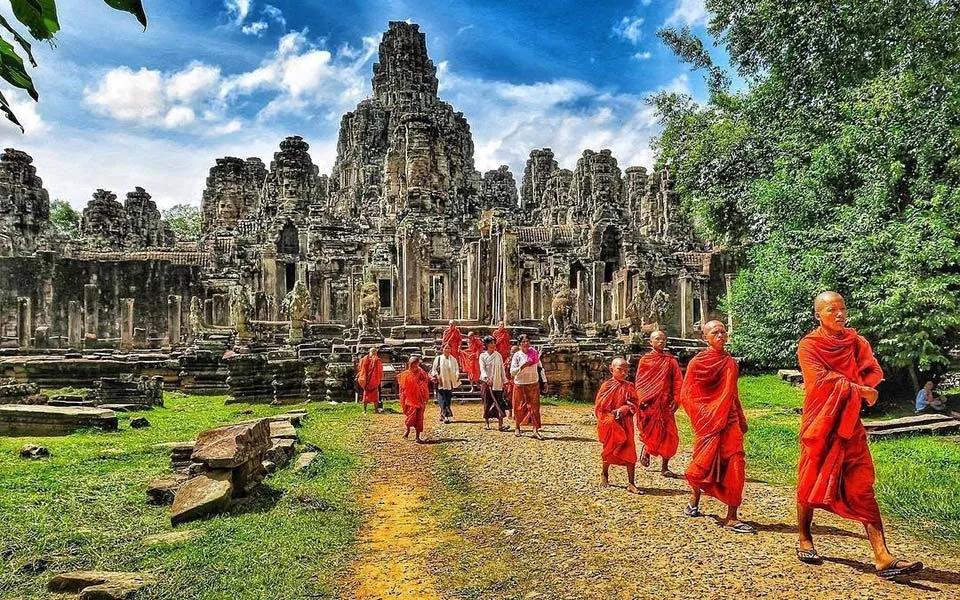
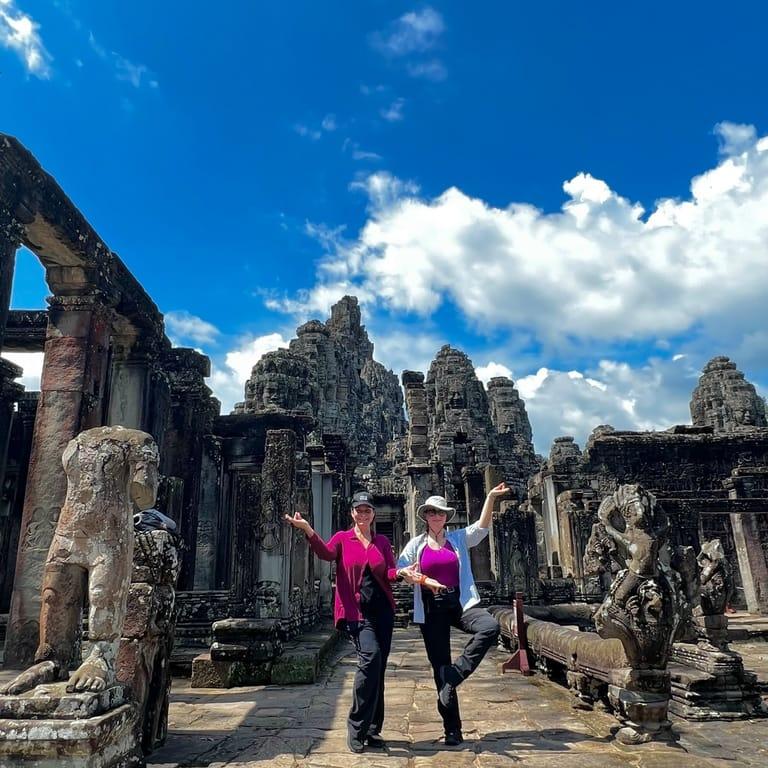
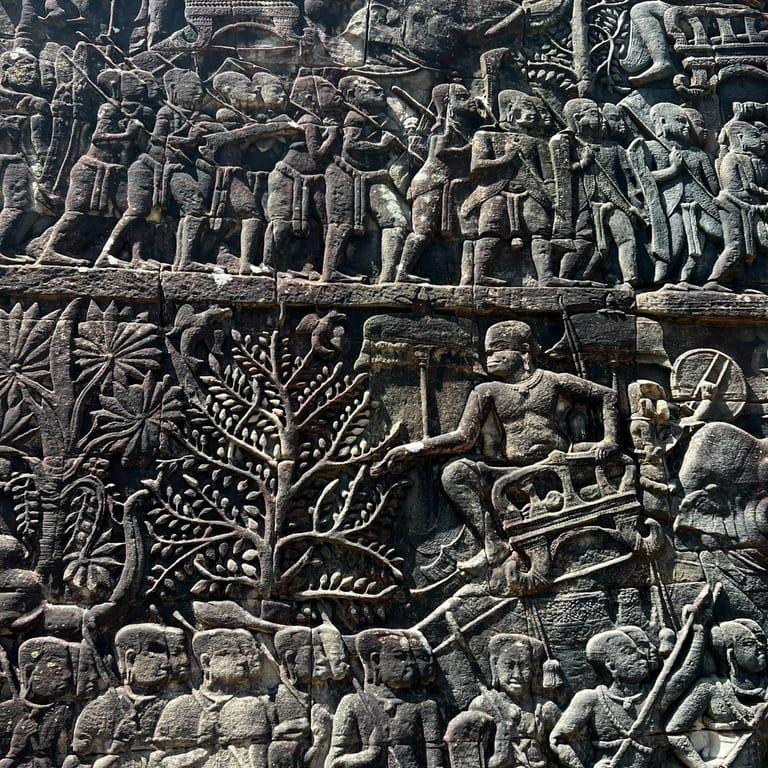
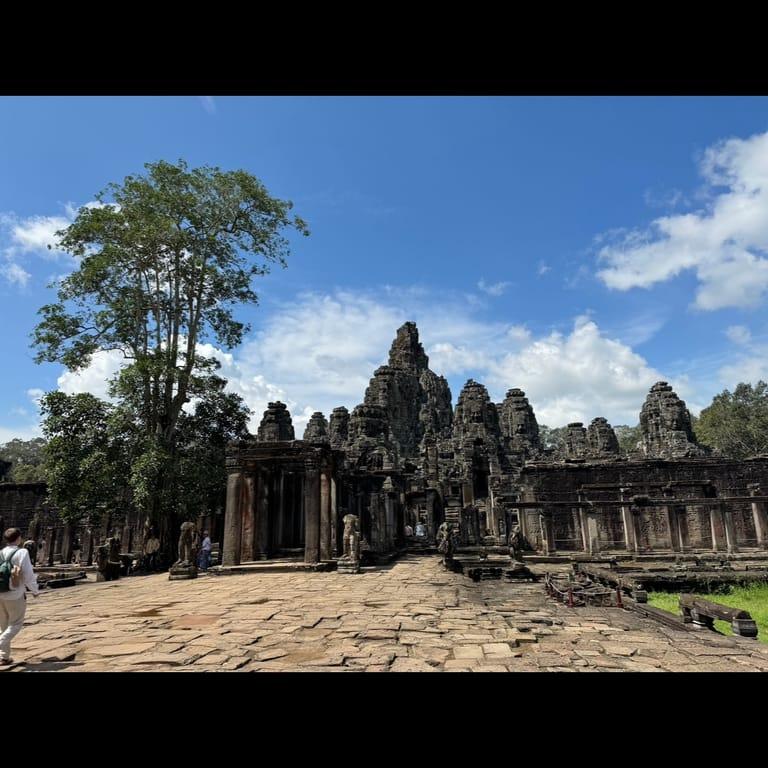
Bayon Temple to jeden z najbardziej ikonicznych i fascynujących zabytków Kambodży, stanowiący nieodłączny element kompleksu Angkor. Jego unikalna architektura, pełna tajemniczych kamiennych twarzy i złożonych reliefów, przyciąga turystów z całego świata. Wizyta w tym miejscu to niezapomniana podróż w czasie, która pozwala zanurzyć się w historii i kulturze starożytowych cywilizacji Indochin.
Aby w pełni docenić piękno Bayon, najlepiej odwiedzić to miejsce wcześnie rano lub późnym popołudniem. W tych porach dnia można uniknąć tłumów i podziwiać niezwykłe światło, które podkreśla detale architektoniczne i kamienne twarze, nadając im magiczny wygląd.
- Wejście na teren świątyni jest wliczone w opłatę za bilet Angkor Pass, dostępny w wersjach jednodniowych, trzydniowych i siedmiodniowych.
- Dla zwiedzających dostępne są wycieczki z przewodnikiem, które pozwalają zgłębić historię i architekturę tego niezwykłego miejsca.
- Ze względu na nierówny teren i schody, miejsce może być trudniejsze dla osób na wózkach inwalidzkich.
- Psy mogą być nie dozwolone na terenie świątyni.
Większość odwiedzających podkreśla unikalny charakter i spokojną atmosferę tego miejsca. Wielu poleca wczesny poranek lub późny wieczór, aby cieszyć się mniej zatłoczonym przestrzenią i lepszym światłem do fotografii.
- Jakie jest najlepsze czas na odwiedzenie Bayon Temple? Wczesny ranek lub późne popołudnie, aby uniknąć tłumów i cieszyć się innym światłem.
- Czy jest opłata za wstęp do Bayon? Tak, wstęp jest wliczony w bilet Angkor Pass, dostępny w różnych opcjach czasowych.
- Czy można zwiedzać z przewodnikiem? Tak, dostępne są wycieczki z przewodnikiem, które pomogą w pełni zrozumieć historię tego wyjątkowego miejsca.
Odkryj fascynującą historię jednej z najważniejszych atrakcji Kambodży - świątyni Bayon w Siem Reap
Budowa świątyni Bayon rozpoczęła się w 1181 roku za panowania króla Jayavarmana VII, co czyni ją jednym z najbardziej historycznych i malowniczych miejsc w regionie. Ta imponująca konstrukcja była nie tylko miejscem kultu, ale także symbolem potęgi i religijnej wizji króla.
W 13 wieku, za panowania króla Jayavarmana VIII, świątynia przeszła proces renowacji, który odnowił jej dawne piękno i funkcje religijne. To świadectwo trwałej wartości tego miejsca dla lokalnej społeczności i kultury regionu.
W 20 wieku, w odpowiedzi na zagrożenia związane z erozją i zniszczeniem, rozpoczęły się nowoczesne prace renowacyjne. Ich celem jest zachowanie unikalnego charakteru świątyni i jej dostępności dla przyszłych pokoleń, co czyni Bayon jednym z najważniejszych punktów na mapie turystycznej Siem Reap i Kambodży.
Bayon Temple, nestled in the historic city of Siem Reap within Cambodia's Angkor Thom complex, stands as a breathtaking testament to 12th-century Khmer architecture and spirituality. This UNESCO World Heritage Site is renowned for its striking feature: over 200 large stone faces with enigmatic smiles carved into its walls, providing visitors a unique glimpse into ancient religious artistry. Rich in history and cultural significance, Bayon offers an immersive experience that draws history buffs, cultural enthusiasts, and travelers seeking serenity alike.
The temple’s architecture is truly distinctive, with its maze-like corridors and smiling faces that seem to watch over visitors from every angle. Positioned centrally within Angkor Thom, Bayon is remarkably accessible for travelers exploring the ancient city. The spiritual atmosphere is palpable, inviting visitors to soak in the tranquil environment while reflecting on the temple's religious heritage. Additionally, the site is well maintained, ensuring that the intricate carvings and structures remain preserved for generations to come.
Despite its many attractions, visitors should be prepared for some challenges. The temple can become quite crowded during peak tourist seasons, particularly in the mornings when many guided tours converge. Some sections of the temple might be under restoration, which can limit access and slightly alter the experience. Furthermore, the terrain is uneven with steep stairs, which could pose difficulties for those with mobility concerns. Planning your visit later in the day can help avoid crowds and allow for a more peaceful exploration.
- Visit timing – Aim to explore the temple in the late afternoon to experience fewer crowds and enjoy the golden hour light illuminating the faces.
- Prepare physically – Comfortable shoes and readiness for considerable walking and stair climbing will enhance your experience.
- Purchase tickets early – Obtain your Angkor Pass in the city beforehand to avoid delays and ensure smooth entry.
Nestled in the heart of Krong Siem Reap, Cambodia, Bayon Temple stands as a magnificent 12th-century masterpiece and a must-visit for travelers exploring the Angkor Thom complex. Famous for its 200 large, enigmatic smiling faces carved into stone walls, this historical gem offers a captivating glimpse into ancient Khmer architecture and religious symbolism.
Bayon Temple’s walls are adorned with intricate carvings that depict historical events, religious tales, and everyday life of the Khmer empire. Visitors can wander through its maze-like corridors, climb short flights of stairs, and walk around to observe all four massive smiling faces that give the temple a truly mysterious and spiritual aura. The well-preserved site provides an immersive experience into Cambodia’s rich cultural heritage.
Plan your visit before sunset to enjoy fewer crowds and beautiful lighting. Since Bayon is often the second stop for guided tours, mornings between 9-10 am can be quite busy. Also, be prepared to walk extensively and climb stairs, so comfortable shoes are a must.
- Buy your Angkor area tickets in advance at the city before heading to the temple, located 6 to 7 kilometers from Siem Reap city center.
- Watch out for playful monkeys that inhabit the temple area, adding a lively touch to your visit.
- Consider hiring a knowledgeable guide to fully appreciate the rich stories behind the carvings and the temple’s historical significance.
Bayon Temple is not only a visual feast but also offers enriching experiences that enhance your visit. Whether you are a history buff, a photography enthusiast, or a curious traveler, there is something special waiting for you.
- Guided Tours - Explore Bayon’s history and architecture with expert guides who bring the ancient stories to life. Best of all, these guides are available at no additional cost, making the experience accessible to all visitors.
- Photography Opportunities - Capture the iconic smiling faces and the labyrinth of intricate carvings that make Bayon a photographer’s dream. The temple’s unique lighting near sunset offers stunning photo moments, perfect for social media and travel keepsakes.
Bayon Temple offers a rare blend of spiritual grandeur, artistic mastery, and historical depth. Its well-preserved carvings and majestic stone faces create an atmosphere unlike any other temple in the Angkor region. The temple is a testament to the power and belief of the Khmer civilization and invites visitors to lose themselves in its maze-like interior and expansive courtyards.