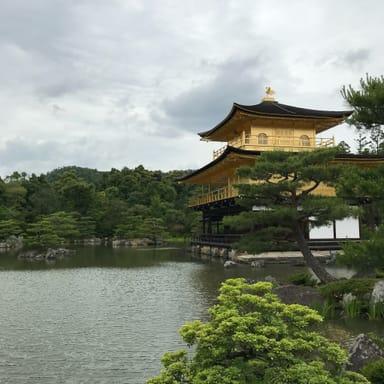
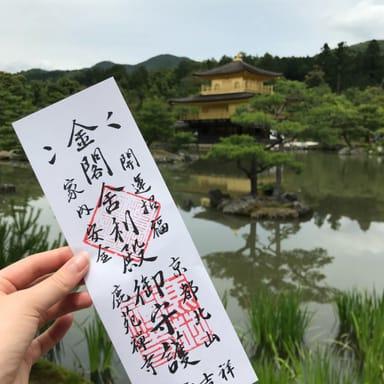
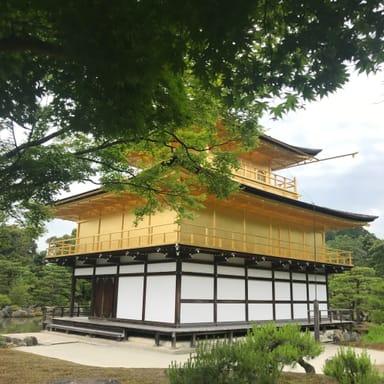
Kinkaku-ji, znany również jako Złoty Pawilon, to jedno z najbardziej rozpoznawalnych i fotografowanych miejsc w Kioto. Ta niezwykła świątynia zen, pokryta złotem, zachwyca każdego odwiedzającego swoim majestatycznym wyglądem i spokojem otaczających ją ogrodów. To obowiązkowy punkt na mapie każdego miłośnika Japonii, kultury i architektury.
- Kinkaku-ji jest otwarte codziennie od 9:00 do 17:00.
- Wstęp kosztuje około 500 jenów dla dorosłych i 300 jenów dla dzieci.
- Fotografowanie jest dozwolone na terenie świątyni, choć statywy i gimbale są niedozwolone ze względu na tłumy.
- Dla osób poruszających się na wózkach, dostępne są drogi, choć niektóre ścieżki w ogrodach są wyściełane kamiennymi schodami.
- Na miejscu dostępne są toalety, sklep z pamiątkami oraz herbaciarnia, gdzie można spróbować tradycyjnego matcha.
- Jakie są godziny otwarcia Kinkaku-ji? Świątynia jest dostępna codziennie od 9:00 do 17:00, co czyni ją idealnym miejscem na poranny lub popołudniowy spacer.
- Czy muszę płacić za wstęp? Tak, wstęp kosztuje około 500 jenów dla dorosłych i 300 jenów dla dzieci.
- Czy można robić zdjęcia na terenie świątyni? Fotografie są dozwolone, ale statywy i gimbale nie są akceptowane ze względu na tłumy.
Odwiedzając Kinkaku-ji, można poczuć niepowtarzalny klimat Japonii, zanurzyć się w historii i podziwiać niesamowitą architekturę, która od wieków zachwyca turystów z całego świata. To miejsce, które warto odwiedzić zarówno rano, aby uniknąć tłumów, jak i w spokojne popołudnie, ciesząc się niepowtarzalną atmosferą tego magicznego zakątka Kioto.
Nestled in the serene Kita Ward of Kyoto, Kinkaku-ji, also known as Rokuon-ji, stands as a breathtaking testament to Japan's rich cultural and architectural legacy. This historic temple, famed for its dazzling gold-leaf facade, offers visitors a tranquil escape set amid meticulously landscaped gardens and a reflective pond that mirrors its luminous beauty.
In 1397, Shogun Ashikaga Yoshimitsu commissioned the construction of this opulent villa as his retirement residence. Designed to embody the grandeur and elegance befitting a powerful ruler, the villa combined exquisite craftsmanship with natural beauty, nestled within the picturesque surroundings of Kyoto.
Following the death of Shogun Yoshimitsu in 1408, the villa embraced a spiritual new chapter when it was converted into a Zen Buddhist temple. This transformation infused the site with a deeper cultural and religious significance, aligning with Zen principles of peace, contemplation, and harmony with nature. Visitors today can still sense this tranquil spirit that pervades the temple grounds.
The original Kinkaku-ji pavilion tragically burned down in 1950 due to arson, a devastating loss to Japan's cultural heritage. However, the temple's importance inspired a dedicated restoration, and by 1955, the pavilion was meticulously rebuilt. The reconstructed temple faithfully reproduces the original three-story structure, with each floor showcasing distinct architectural styles that reflect the elegance and artistic diversity of the era.
Kinkaku-ji's three-story pavilion is an architectural marvel. The first floor reflects the Shinden style of the Heian period, characterized by natural wood and white plaster walls. The second floor adopts the Bukke style, traditionally used in samurai residences, and is entirely covered in gold leaf, radiating an unparalleled brilliance. The third floor is designed in the Chinese Zen hall style, crowned with a golden phoenix ornament atop its roof. Surrounded by beautiful gardens and a reflective pond, the temple offers stunning panoramic views, especially enchanting when autumn foliage colors the landscape.
- Best time to visit Early morning to avoid crowds and capture stunning photos.
- Access Reachable by bus or taxi since it is a bit removed from main train lines.
- Entry fee Affordable and contributes to the upkeep of the temple grounds.
Kinkaku-ji, or the Golden Pavilion, stands as a breathtaking emblem of Kyoto's rich history and architectural beauty. Nestled amidst serene gardens and a reflective pond, this UNESCO World Heritage Site captivates visitors with its stunning golden facade adorned with gold leaf that shimmers in the sunlight. The temple, built in the 14th century, serves as a tranquil retreat, offering a glimpse into Japan's cultural heritage and spiritual significance. Its harmonious blend of nature and architecture creates an atmosphere that enchants all who enter.
Kinkaku-ji is ideal for travelers seeking a glimpse into traditional Japanese culture, photographers eager to capture its ethereal beauty, and anyone looking to escape the bustling city for a moment of tranquility. Whether you are an art enthusiast, a history buff, or simply a nature lover, this temple offers a captivating experience that resonates with all visitors.
Visitors should plan their trip accordingly, as Kinkaku-ji opens its doors at 9 AM. Arriving early is recommended to avoid the heavy tourist influx that usually begins shortly after opening. The grounds are wheelchair accessible, making it easy for everyone to enjoy the beautiful pathways that lead around the temple. Additionally, guests can indulge in traditional matcha tea at the teahouse while soaking in the stunning views of the pavilion reflected in the pond.
In essence, Kinkaku-ji is more than just a temple; it is a cultural treasure that showcases the beauty of traditional Japanese architecture. With its rich history, picturesque gardens, and the serene ambiance, it is a must-visit for anyone traveling to Kyoto. Despite the potential for crowds, the experience remains deeply rewarding, leaving visitors with lasting memories of Japan's stunning heritage.
Don't miss the opportunity to explore Kinkaku-ji during your trip to Kyoto. Whether you're capturing the golden reflections in the pond or enjoying a cup of matcha tea, the memories made here will surely enrich your understanding of Japan's cultural landscape. Plan your visit today and immerse yourself in this iconic destination.
Nestled in the historic city of Kyoto, Kinkaku-ji, also known as the Golden Pavilion, offers an unforgettable glimpse into traditional Japanese beauty and spirituality. This iconic three-story temple dazzles visitors with its exterior lavishly coated in gleaming gold leaf, creating a breathtaking sight that seems to float above the surrounding landscape.
At the heart of Kinkaku-ji lies the Shariden, or Golden Pavilion, a mesmerizing structure housing sacred relics of the Buddha. With an entrance fee of 400 JPY, visitors can admire the exquisite architecture and the temple’s spiritual significance. Complementing this is Kyōko-chi, the Mirror Pond, a serene body of water that perfectly reflects the Golden Pavilion. Surrounded by meticulously landscaped gardens, the pond provides a peaceful setting ideal for contemplation and photography.
While Kinkaku-ji is undoubtedly a must-see landmark in Kyoto, timing your visit is key to fully enjoying its tranquil ambiance. Arriving early, preferably before the temple opens at 9 am, gives you a head start to experience the pavilion with fewer tourists around. The temple grounds include smaller shrines and quaint shops, offering a leisurely one-way loop from entrance to exit that invites visitors to take their time capturing perfect photos.
- Best time to visit - Early morning to avoid tour bus crowds and enjoy peaceful views.
- Admission fee - 400 JPY grants access to both the pavilion and the garden surrounding the Mirror Pond.
- Getting there - Accessible by bus or taxi, located in the Kita Ward area of Kyoto.
Whether you’re a history enthusiast, a photography lover, or simply seeking a serene escape amidst Kyoto’s vibrant culture, Kinkaku-ji offers a captivating experience. The shimmering golden facade against the backdrop of seasonal foliage, especially stunning in autumn, makes for memories and photographs that last a lifetime. Don’t miss this jewel of Japan’s heritage on your next trip to Kyoto.