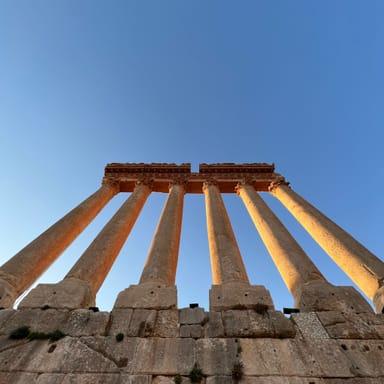
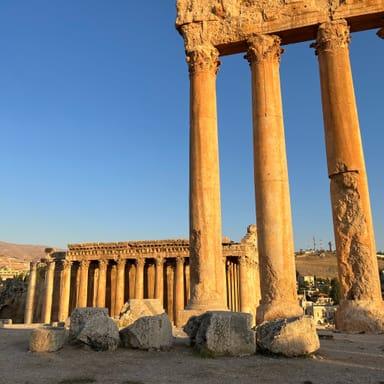
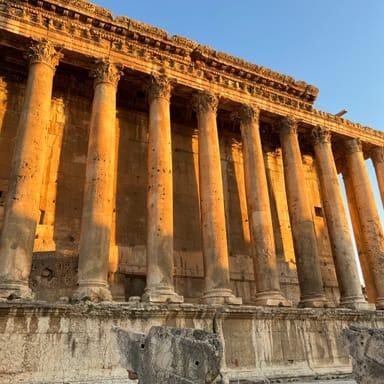
Situada na pitoresca cidade de Beqaa, no Líbano, as ruínas de Baalbek são um testemunho magnífico da engenharia e da criatividade dos romanos antigos. Este sítio arqueológico, conhecido por sua escala impressionante e arquitetura bem preservada, oferece uma viagem no tempo para aqueles que buscam entender a grandiosidade do Império Romano.
Reserve pelo menos 2 a 3 horas para explorar completamente o sítio e absorver sua riqueza histórica. Além das ruínas, a área oferece belas paisagens e oportunidades fotográficas incríveis, especialmente do famoso Templo de Bacchus, considerado uma joia da arquitetura romana. Aproveite para visitar os arredores de Baalbek, onde você encontra restaurantes e cafés que tornam sua visita ainda mais confortável.
- Quais são os horários de funcionamento das ruínas de Baalbek? O site está aberto diariamente das 9h às 18h.
- É seguro visitar as ruínas de Baalbek? Apesar de histórias de conflitos passados, muitos visitantes relatam sentir-se seguros ao visitar o local. Recomenda-se verificar os avisos de viagem atuais e contratar um guia local para maior segurança.
- Quanto tempo devo dedicar à visita? A maioria dos visitantes recomenda passar de 2 a 3 horas para explorar o sítio e apreciar sua importância histórica.
- Há facilidades no local como banheiros e restaurantes? Sim, há banheiros e há restaurantes e cafés próximos em Baalbek.
- Posso tirar fotos no local? Sim, a fotografia é permitida, mas é aconselhável verificar possíveis restrições específicas na chegada.
Visitantes elogiam as ruínas de Baalbek por sua escala impressionante, significado histórico e arquitetura bem conservada. Recomendam contratar um guia especializado para entender melhor cada detalhe e história do local. Não deixe de explorar o Templo de Bacchus, considerado uma verdadeira obra-prima da antiguidade romana.
Nestled in the heart of Lebanon's Beqaa Valley, the Baalbek Roman Ruins stand as a monumental testament to centuries of religious, cultural, and architectural evolution. Originally known as Heliopolis during the Hellenistic period, this extraordinary archaeological site is famous worldwide for its colossal Roman temples, including the awe-inspiring Temple of Jupiter and the remarkably preserved Temple of Bacchus. Baalbek's grandeur and historical importance make it a must-visit destination for history enthusiasts and cultural travelers alike.
Baalbek's story began over two millennia ago, around the year 2000 BCE, when it was established as a thriving Phoenician city. This early settlement was deeply religious, dedicated to a triad of deities reflecting the spiritual beliefs of the time. The Phoenicians laid the cultural foundation that would later influence the city's architectural and religious significance. Visitors today can sense the ancient spirit that permeates the ruins, offering a glimpse into one of Lebanon's earliest civilizations.
The dawn of the Roman period around the beginning of the first century CE marked Baalbek's transformation into a grand sanctuary and cultural hub. Under Roman rule, the city was expanded and embellished with massive temples, showcasing the empire's architectural expertise and devotion to their gods. The colossal Temple of Jupiter, with its towering columns, was among the largest of its kind in the ancient world, while the Temple of Bacchus remains one of the best-preserved Roman temple ruins globally. These structures reflect the Romans' engineering prowess and aesthetic sophistication, making Baalbek a living museum of imperial architecture.
In 1984, Baalbek was proudly inscribed as a UNESCO World Heritage Site, cementing its status as a cultural treasure of global importance. This recognition highlights not only its outstanding architectural relics but also its role as a symbol of Lebanon's rich historical tapestry. Today, Baalbek continues to captivate visitors, offering an immersive experience into ancient civilizations' religious practices, artistic achievements, and urban development.
- Immersive archaeological experience – Explore some of the largest and best-preserved Roman temples in the world, rich with history and stunning architecture.
- Cultural heritage and religious significance – Witness the layers of Phoenician and Roman beliefs that shaped this extraordinary sanctuary over millennia.
- UNESCO World Heritage Site status – Recognized globally for its outstanding universal value, ensuring its preservation and appreciation for generations.
Baalbek Roman Ruins, located in Baalbek, Lebanon, is a breathtaking archaeological site that showcases the grandeur of ancient Roman architecture. This UNESCO World Heritage Site is renowned for its well-preserved temples and historical significance, making it a must-visit for history enthusiasts and travelers alike. Visitors can expect to immerse themselves in the rich tapestry of history while enjoying stunning views of the surrounding landscape.
- Historical significance with roots dating back to Roman times.
- Well-preserved architecture that showcases ancient engineering.
- Guided tours available for an in-depth exploration.
- Scenic views of the surrounding Beqaa Valley.
- Educational experience that brings history to life.
- Remote location that may require travel planning.
- Limited facilities on-site for visitors.
- Occasional travel advisories due to regional conditions.
Baalbek Roman Ruins is ideal for history buffs, architecture enthusiasts, and families looking for an educational outing. It's also a great spot for photographers eager to capture stunning landscapes and ancient structures.
Visitors should plan to spend at least three to four hours exploring the site. It is advisable to wear comfortable shoes and bring sunscreen, as much of the tour is outdoors. Hiring a local guide can enhance the experience by providing deeper insights into the history and architecture.
Baalbek Roman Ruins offers a captivating glimpse into the past, with its impressive structures and rich history. While the remote location and limited facilities may pose challenges, the experience of walking through ancient history is unparalleled. This site is a treasure for anyone seeking to understand the grandeur of ancient civilizations.