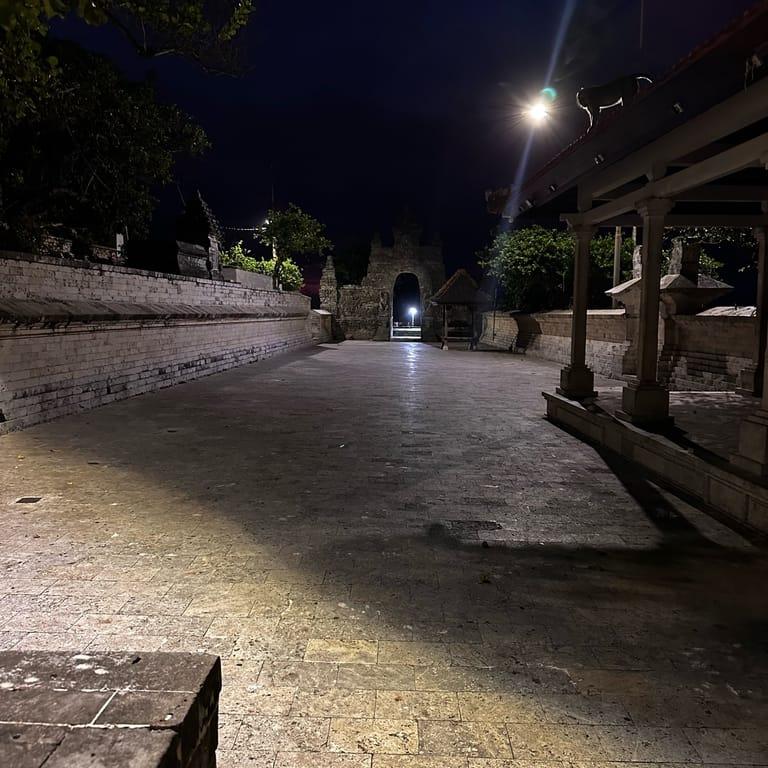
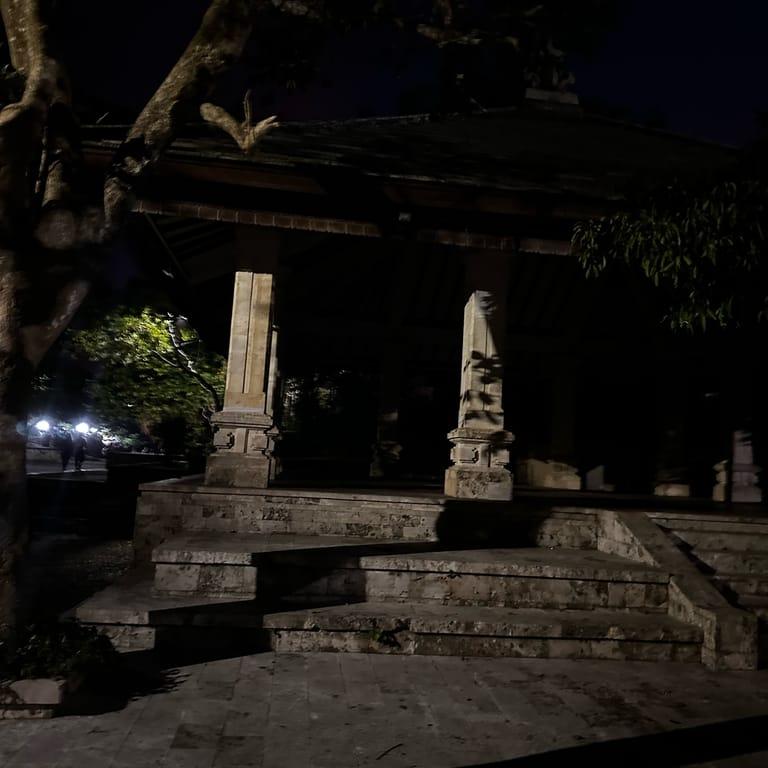
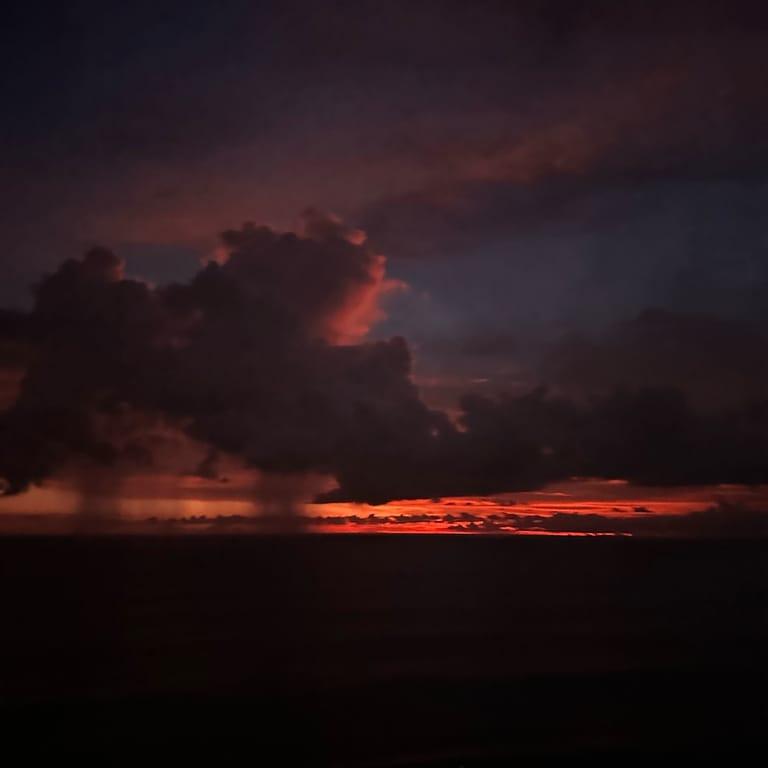
Nestled dramatically on the edge of Bali's southwestern cliffs, Uluwatu Temple offers an unforgettable blend of rich Hindu heritage and breathtaking coastal vistas. This ancient temple isn't just a place of worship—it's a vibrant cultural hub and a must-see landmark for travelers seeking both spiritual insight and stunning sunset panoramas over the Indian Ocean.
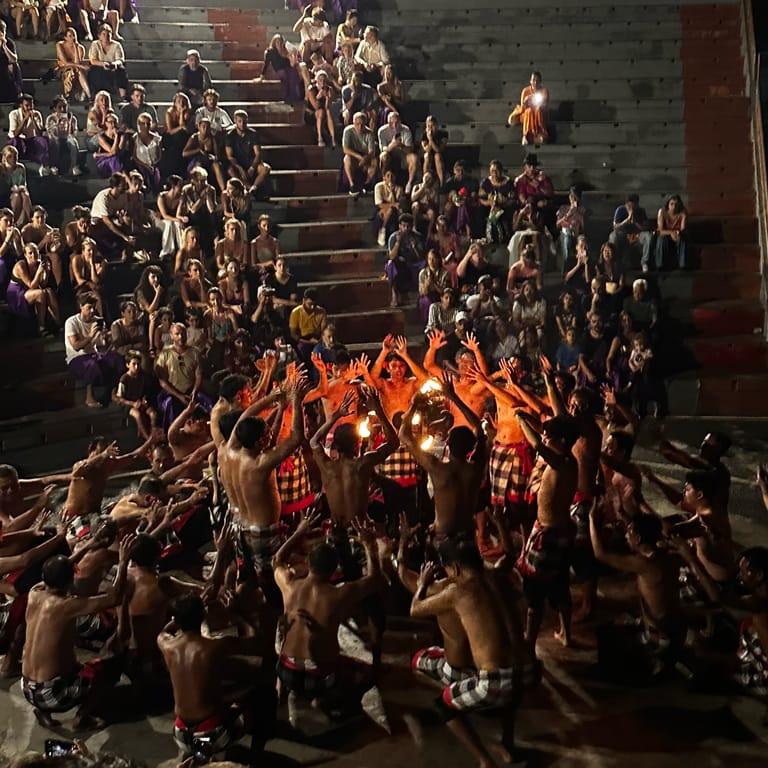
Uluwatu Temple is famed for its spectacular cliff-top position with sweeping ocean views that captivate visitors, especially at sunset. Beyond the scenery, the temple is a living cultural site where traditional Balinese rituals and the iconic Kecak fire dance performances come to life, immersing visitors in the island's rich heritage. The ancient architecture and tranquil atmosphere make it a perfect spot for photographers, culture enthusiasts, and mindful travelers alike.
Arriving early in the morning offers a more peaceful experience, allowing you to explore the temple grounds before the crowds arrive. The nearby monkeys add a playful vibe but keep your belongings secure—they’re notorious for snatching hats, sunglasses, and bags! Visitors should wear respectful attire; sarongs and sashes are provided at the entrance to honor the sacredness of the site.
- Best time to visit: Late afternoon to catch the breathtaking Kecak dance at sunset.
- Dress code: Sarong and sash required, provided at entrance.
- Kecak dance ticket price: IDR 150,000 per person.
- Facilities: Clean restrooms, gift shop, and parking available.
- Weather considerations: Avoid heavy rain seasons for the best experience.
- What is the best time to visit Uluwatu Temple? The best time to visit is in the late afternoon to witness the Kecak Dance performance at sunset, offering stunning views and a cultural experience.
- Are there any dress codes for visiting the temple? Yes, visitors are required to wear a sarong and sash, which are provided at the entrance, as a sign of respect for the sacred site.
- How much does the Kecak Dance performance cost? The Kecak Dance performance ticket costs IDR 150,000 per person.
- Are there facilities available for visitors? Yes, the temple offers clean restrooms, a gift shop, and a parking area for visitors' convenience.
- Is it safe to visit the temple during the rainy season? While the temple is open year-round, it's advisable to check the weather forecast before visiting, as heavy rains can affect the experience.
Positive — Visitors consistently praise Uluwatu Temple for its breathtaking ocean views, especially at sunset, and the captivating cultural experience of the Kecak Dance. The mischievous monkeys add a playful element but require caution with personal belongings. The overall vibe is one of awe and appreciation for Bali's unique mix of nature, culture, and spirituality.
Nestled atop a dramatic 70-meter cliff overlooking the vast Indian Ocean, Uluwatu Temple — also known by its Balinese name Pura Luhur Uluwatu — stands as one of Bali’s most iconic and spiritually significant sea temples. Its origins date back over a millennium, making it a profound symbol of Bali’s rich religious and cultural heritage. Established around the year 1000 by the revered Javanese sage Empu Kuturan, the temple is dedicated to Sang Hyang Widhi Wasa, the supreme god in Balinese Hinduism, particularly revered here in the manifestation of Rudra, the god of storms and the sea.
The temple’s origins trace back to the early 11th century when Empu Kuturan established it as a vital spiritual stronghold on Bali’s southern coast. This period marked the consolidation of Bali’s unique Hindu practices, distinct from mainland India and Java, with Uluwatu Temple serving as a pivotal point of worship and protection.
By the 16th century, specifically around 1500, Dang Hyang Nirartha, a legendary priest considered a key figure in Bali's religious history, enriched the temple complex by introducing the iconic padmasana shrines. These shrines are symbolic lotus thrones representing the cosmic mountain and the seat of the divine, reflecting the deepening spiritual significance and architectural refinement of the temple.
Recognizing Uluwatu Temple’s cultural, religious, and environmental importance, in 2009 a spatial planning regulation was enacted to create a protective 5-kilometer radius around the temple. This measure ensures the preservation of the temple’s sacred atmosphere and its breathtaking cliffside surroundings, safeguarding it from encroaching development and maintaining its serene ocean vistas.
Today, Uluwatu Temple is not only a spiritual beacon but also a vibrant cultural hub. Visitors are drawn to its stunning location perched above crashing waves, and many come to witness the mesmerizing Kecak fire dance performances held at sunset — a dramatic cultural ritual that echoes Bali’s mystical legacy. The temple’s sacred grounds are home to an energetic troop of monkeys, adding a playful but cautionary note to any visit.
- Ancient Heritage: Rooted in the 11th century, it’s one of Bali’s oldest Hindu temples, linking visitors to centuries-old traditions.
- Sacred Location: Perched dramatically on a towering cliff, it offers panoramic ocean views that embody spiritual awe.
- Cultural Significance: Hosts traditional ceremonies and the captivating Kecak fire dance that brings Balinese myths to life.
- Protected Sanctuary: Governed by strict protection zones to maintain its sacred ambiance and natural beauty.
Perched on a cliff, Uluwatu Temple offers breathtaking ocean views and a rich cultural experience. This ancient Hindu temple is not only a place of worship but also a popular tourist attraction, especially known for its mesmerizing Kecak Fire Dance performances at sunset.
- Breathtaking cliffside views
- Rich cultural and historical significance
- Mesmerizing Kecak Fire Dance performance at sunset
- Serene and tranquil atmosphere
- Well-maintained temple grounds
- Mischievous monkeys that may snatch belongings
- Can be crowded during peak tourist seasons
- Limited access to the main temple for tourists
Uluwatu Temple is perfect for those seeking a spiritual experience, photographers wanting to capture stunning sunsets, and travelers interested in Balinese culture.
Visitors should be cautious of the monkeys, as they are known to snatch belongings. It's advisable to arrive early to avoid crowds and enjoy the serene atmosphere.
Uluwatu Temple is a must-see for anyone visiting Bali. With its stunning views, rich cultural significance, and captivating performances, it offers a unique glimpse into Balinese spirituality and artistry.
Nestled atop the breathtaking cliffs of Pecatu in South Kuta, Bali, the Uluwatu Temple offers visitors a unique blend of spiritual heritage and stunning natural vistas. This ancient Hindu temple is renowned not only for its sacred atmosphere but also for commanding spectacular views of the Indian Ocean, making it an unforgettable spot for travelers seeking an authentic Balinese experience.
Uluwatu Temple's cliffside location offers panoramas that are especially captivating at sunset, drawing photographers and nature lovers alike. While the temple's main sanctums are often closed to tourists to preserve its sanctity, wandering the grounds provides a serene glimpse into Bali’s spiritual traditions and stunning coastal landscapes. Visitors should be mindful of the local monkeys, known for their cheeky antics and occasional thievery of personal items such as glasses and hats.
One of the most sought-after experiences at Uluwatu Temple is the traditional Kecak Dance performance held daily at sunset. This dramatic Balinese dance, priced at 150,000 IDR per ticket, brings to life epic scenes from the Ramayana through hypnotic chanting and vibrant costumes. The dance not only enriches your understanding of Balinese mythology but also perfectly complements the temple’s sunset ambiance.
- Arrive early to enjoy peaceful temple grounds and avoid large crowds.
- Protect your belongings from clever monkeys who might steal hats, sunglasses, or phones.
- Dress respectfully following temple guidelines, including wearing a sarong, to honor local customs.
- Consider a guided tour to gain deeper insight into the temple's history and cultural significance.
- Visit at sunset to witness the iconic Kecak fire dance and the temple bathed in golden light.