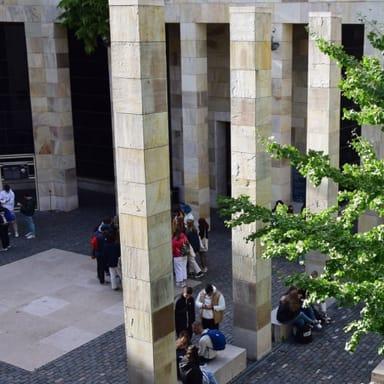
Nestled in the heart of Budapest's IX. district, the Holocaust Memorial Center stands as a solemn testament to Hungary’s Jewish history and the tragic events of the Holocaust. Set within a beautifully refurbished 1920s synagogue on Páva utca, this museum offers visitors a deeply moving, educational experience that combines history, personal stories, and interactive exhibits to illuminate one of the darkest chapters in human history.
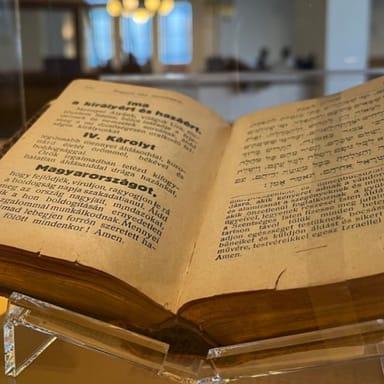
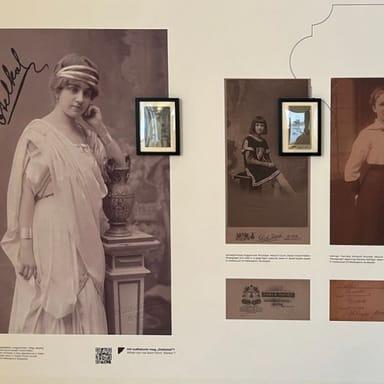
The museum’s layout guides visitors through the harrowing history of anti-Semitism in Hungary using a compelling mix of written narratives, video presentations, and physical as well as interactive displays. The exhibits vividly recount personal family stories, government policies, and the societal conditions of the era, painting a comprehensive picture of the Holocaust's impact on Hungarian Jews.
The museum experience culminates in the beautifully restored synagogue, a solemn and reflective space that honors those who suffered and perished. This poignant setting perfectly encapsulates the museum’s mission to educate while fostering remembrance and respect.
Visitors consistently praise the Holocaust Memorial Center for its thoughtful curation and the respectful atmosphere maintained throughout. Many describe the visit as an emotional and unforgettable journey that provides a unique perspective on the Holocaust as experienced by Hungarian Jews. The interactive exhibits and personal testimonies are frequently highlighted as powerful elements that deepen understanding and empathy.
- Educational and emotionally impactful experience — Visitors find the museum deeply moving and crucial for understanding Hungary’s Holocaust history.
- Accessibility and facilities — The center offers wheelchair access and includes restrooms, making it visitor-friendly.
- Guided tours recommended — To enrich the experience, visitors suggest joining guided tours available in multiple languages.
- What are the opening hours of the Holocaust Memorial Center? The center is open from Tuesday to Sunday, 10:00 AM to 6:00 PM, and is closed on Mondays and certain public holidays.
- Is the museum wheelchair accessible? Yes, the Holocaust Memorial Center provides wheelchair access and facilities to assist visitors with disabilities.
- Are there any discounts available for students or seniors? Discounted tickets are offered for students and seniors, making this important historical site accessible to more visitors.
- Is photography allowed inside the museum? Photography is permitted in the synagogue area but is restricted inside the exhibition halls to preserve the solemnity of the displays.
- How long does a typical visit to the museum take? Most visitors spend about 2 to 3 hours exploring the exhibits, allowing time to absorb the powerful narratives and displays.
Located at Páva utca 39 in Budapest's IX district, the Holocaust Memorial Center stands as a solemn monument to the victims of the Holocaust in Hungary. This significant institution was established by the Hungarian Government in 1999, marking it as the first state-founded Holocaust Memorial Center in Central Europe. The center plays a crucial role in preserving history, fostering awareness, and educating visitors about the atrocities suffered by Hungarian Jews during World War II.
In 2004, the museum officially opened its doors in a modern building designed by the renowned architect Frank Owen Gehry. This contemporary structure is thoughtfully integrated with the historic Páva Street Synagogue, a refurbished 1920s synagogue that serves as a poignant reminder of the past. The fusion of modern design with historic architecture creates a powerful environment for reflection and remembrance.
The Holocaust Memorial Center dedicates itself to Holocaust research and education through a variety of immersive exhibits and programs. Visitors encounter a combination of written documents, video presentations, and interactive displays that vividly illustrate the history of anti-Semitism and the tragic experiences of Hungarian Jews. The museum’s layout is carefully designed to guide guests through this dark chapter of history with both clarity and emotional resonance.
- 1999 establishment – Hungarian Government founds the Holocaust Memorial Center, a pioneering state initiative in Central Europe.
- 2004 museum opening – The center opens in Gehry’s modern building, seamlessly connected to the historic Páva Street Synagogue.
Today, the Holocaust Memorial Center in Budapest is recognized as a crucial educational site for visitors seeking to understand the Hungarian perspective on the Holocaust. Its exhibitions, available in multiple languages including English, provide a comprehensive and emotional journey through one of history’s darkest periods. The center’s respectful and immersive approach ensures that the memories of those lost are preserved, while educating new generations on the importance of tolerance and human rights.
Nestled in the heart of Budapest, the Holocaust Memorial Center offers a poignant and immersive journey through the harrowing history of the Holocaust as experienced by Hungarian Jews. This refurbished 1920s synagogue serves as both a museum and a memorial, meticulously curated to educate and honor the victims of one of history's darkest periods.
- Comprehensive and moving exhibits
- Well-curated displays
- Educational and informative
- Accessible for visitors with disabilities
- Discounts available for students and seniors
- Some exhibits may be emotionally intense
- Not recommended for young children due to graphic content
The Holocaust Memorial Center is ideal for history enthusiasts, educators, and travelers looking to gain a profound understanding of the Holocaust and its impact on Hungarian society. It serves as a reflective space for visitors of all ages who wish to learn about the past and engage with its significance.
Visitors should be aware that while the museum houses rich historical content, some exhibits may contain graphic imagery that could be unsettling for younger audiences. It is recommended to allocate sufficient time to fully engage with the displays and consider a guided tour for a deeper insight.
In conclusion, the Holocaust Memorial Center in Budapest is not just a place to visit; it is an essential experience that invites reflection and understanding. With its thoughtful exhibits and respectful atmosphere, it stands as a vital reminder of history, ensuring that the stories of those who suffered are never forgotten.
A visit to the Holocaust Memorial Center is a profound opportunity to engage with the historical narratives of the Holocaust. As you walk through the exhibits, take a moment to reflect on the stories and experiences shared within these walls. This deeply moving journey will leave an indelible mark, reminding us of the importance of remembrance.
Nestled in the heart of Budapest's IX. district, the Holocaust Memorial Center at Páva utca 39 stands as a solemn yet enlightening monument dedicated to the victims of the Hungarian Jewish Holocaust. This beautifully refurbished 1920s synagogue offers visitors an immersive experience that delves deeply into one of the darkest chapters of history through a blend of meticulously curated exhibits, multimedia presentations, and personal stories.
Visitors can explore the history of antisemitism in Hungary through a thoughtfully designed layout that combines written narratives, impactful video presentations, and interactive displays. The journey culminates in the refurbished synagogue itself, providing a sobering and reflective conclusion that encapsulates the weight of the historical events commemorated here.
Emotional and Essential Experience: Visitors frequently describe their time here as both harrowing and unforgettable, emphasizing the importance of this museum as a must-visit destination for understanding Hungary’s role in Holocaust history.
The center caters thoughtfully to its diverse audience with offerings designed to deepen understanding and engagement, including:
- Guided Tours: Available in multiple languages, these tours provide in-depth insights that enrich the visitor experience.
- Audio Guides: Enhance your visit with audio guides offered in several languages to explore exhibits at your own pace.
- Temporary Exhibitions: Periodically held special exhibitions shed light on various facets of Holocaust history.
- Bookshop: Explore a curated selection of literature on Holocaust history, Jewish culture, and human rights.
- Coffee Shop: A cozy spot on-site where visitors can pause, reflect, and discuss their experience.
The Holocaust Memorial Center is not recommended for young children due to the sensitive and sometimes graphic nature of the exhibits. Restroom facilities are available on site for visitor convenience. To gain the most from your visit, consider booking a guided tour or using an audio guide to fully appreciate the rich historical context and personal narratives.
Whether you are a history buff, a cultural traveler, or a thoughtful visitor interested in learning about Hungary’s unique Holocaust history, this center offers an unforgettable, educational, and deeply moving experience. It serves as a powerful reminder of the past and a call to remember and reflect on the human cost of intolerance and hatred.