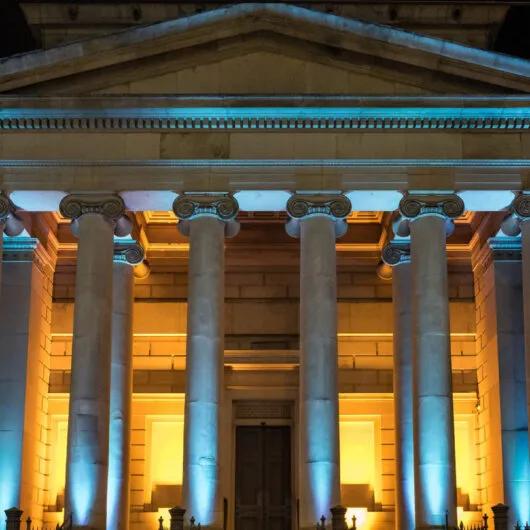
Nestled on 150 Deansgate, the John Rylands Research Institute and Library is a neo-Gothic masterpiece that beckons history buffs, architecture lovers, and literary enthusiasts alike. This iconic Manchester landmark, part of the University of Manchester, offers visitors a captivating journey through centuries of knowledge housed within its stunning halls. Beyond its vast collection of rare books and manuscripts, the library enchants guests with its striking design, reminiscent of a scene straight out of a Harry Potter movie. Best of all, entry to this cultural gem is completely free, making it an unmissable stop for travelers and locals.
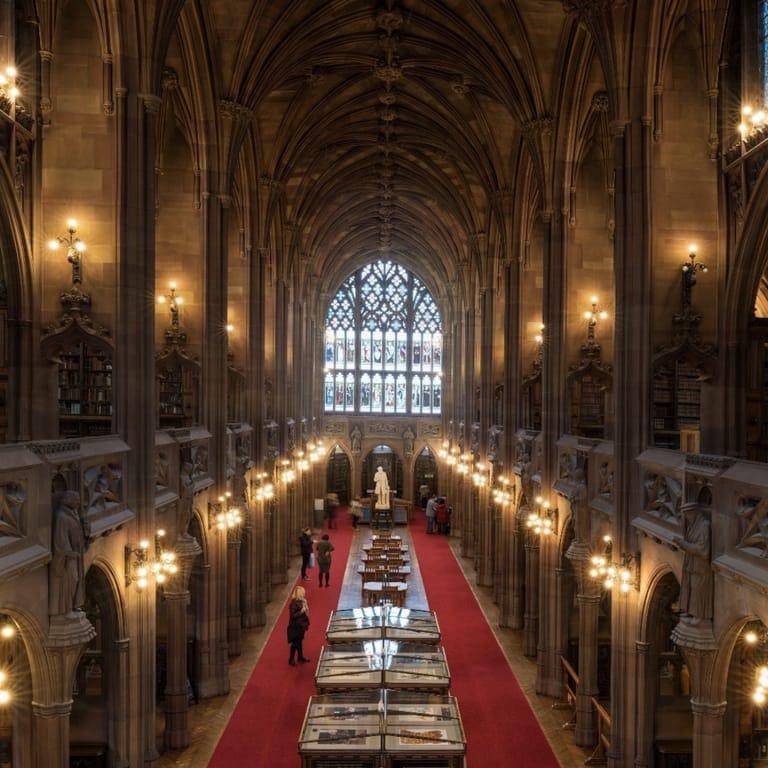
Step inside this neo-Gothic shrine to soak in the atmosphere of a bygone era. The library’s architecture delights visitors with intricate stonework, soaring vaulted ceilings, and an ambiance that whispers tales of centuries past. Its most impressive feature, the historic reading room, is a haven for quiet study and reflection, peppered with students and visitors alike.
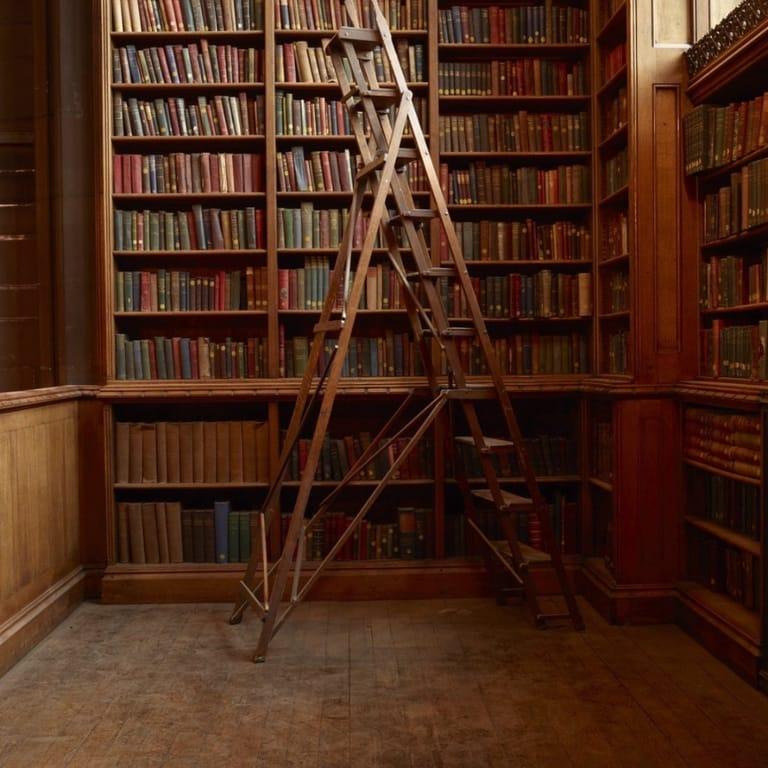
The library is much more than just an architectural marvel; it houses an extraordinary collection of rare books and manuscripts that span centuries of human knowledge and creativity. Whether you’re an avid reader or a casual visitor, the story of the library’s creation by a devoted woman and her husband adds a touching human element to your visit.
Positive sentiments abound from visitors who marvel at the stunning interior and tranquil setting. Many highlight the library’s resemblance to magical film sets, praising its timeless beauty and the welcoming atmosphere provided by staff and volunteers. Its central Manchester location makes it easily accessible, and the free admission ensures that everyone can enjoy this cultural treasure. Visitors also appreciate the educational tours that bring the history and mission of the library to life, creating a memorable experience for all ages.
A small note from some visitors is the occasional presence of photo shoots and influencers, which can occasionally disrupt the peaceful vibe. Nonetheless, the overall experience remains deeply rewarding for those interested in history, literature, and architecture.
- What are the opening hours of the John Rylands Library? The library is open Wednesday to Saturday, 10:00 AM to 5:00 PM, with the last entry at 4:40 PM. It is closed on Sundays and Mondays.
- Is there an admission fee to visit the library? No, entry to the John Rylands Library is free of charge.
- Are guided tours available? Yes, guided tours are available and can be joined on a drop-in basis. It's advisable to check the library's website for the latest information on tour availability.
- Is the library accessible for visitors with mobility impairments? Yes, the library has an accessible entrance and lift access to all floors.
- Can I take photographs inside the library? Photography is allowed inside the library, but tripods and flash photography are not permitted.
Nestled in the heart of Manchester, the John Rylands Research Institute and Library stands as a striking example of neo-Gothic architecture and a treasure trove of rare books and manuscripts. This iconic institution was founded by Enriqueta Augustina Rylands in heartfelt tribute to her late husband, John Rylands, highlighting her devotion through its grand design and priceless collections.
The journey began in 1889 when Enriqueta Rylands purchased the site on Deansgate, envisioning a memorial library that would preserve knowledge and culture. The following year, the distinguished architect Basil Champneys was commissioned to bring this vision to life, crafting a design that masterfully blended grandeur with scholarly purpose. The library was inaugurated on October 6, 1899, and officially opened its doors to the public on January 1, 1900, instantly becoming a beacon for scholars and bibliophiles alike.
The John Rylands Library is renowned for its neo-Gothic style, often compared to a cathedral dedicated to knowledge. Visitors frequently remark on the stunning hallways and interiors, which evoke a magical atmosphere reminiscent of iconic literary settings. Beyond its architectural beauty, the library houses one of the world's finest collections of rare books, including a Gutenberg Bible and the Rylands Library Papyrus P52, considered to be the earliest surviving fragment of the New Testament. These priceless manuscripts make it a vital research center and a cultural landmark.
In 1972, the library became part of the University of Manchester, reinforcing its role as a center for academic excellence and research. Its significance was officially recognized in 1994 when it was granted Grade I listed status, ensuring the protection of its architectural and historical heritage. A major £17 million renovation completed in 2007 revitalized the building, preserving its legacy for future generations while enhancing facilities for visitors and scholars.
- 1889: Enriqueta Rylands purchases the site on Deansgate for the memorial library.
- 1890: Architect Basil Champneys is commissioned to design the library.
- 1899-1900: Library is inaugurated on October 6, 1899, and opens to the public on January 1, 1900.
- 1972: Library becomes part of the University of Manchester.
- 1994: Granted Grade I listed status, recognizing its cultural and architectural importance.
- 2007: Reopens after a significant £17 million renovation project ensuring preservation and modernization.
A stunning neo-Gothic library in Manchester, housing rare books and manuscripts, along with a café and shop.
- Stunning Gothic architecture Rich historical collections Free admission Peaceful atmosphere Central location
- Limited opening hours No on-site café
Ideal for history enthusiasts, students, and anyone seeking a quiet place to reflect or study.
Check the opening hours before your visit, as they can vary. Also, be mindful that the library is primarily a study space.
The John Rylands Research Institute and Library is a remarkable destination in Manchester, offering a unique blend of history, architecture, and tranquility. Its free admission makes it accessible to all, while its stunning design and rich collections ensure a memorable experience.
Located at 150 Deansgate in the heart of Manchester, the John Rylands Research Institute and Library stands as a stunning neo-gothic gem that captivates visitors with its architectural grandeur and rich legacy. This iconic institution, part of the University of Manchester, offers a fascinating blend of history and scholarship that appeals to both locals and tourists alike.
Step inside and you’ll find yourself immersed in an atmosphere reminiscent of a Harry Potter movie, with soaring vaulted ceilings, intricate woodwork, and atmospheric hallways. The neo-gothic design is not only aesthetically breathtaking but also a tribute to the dedication of Enriqueta Rylands, the visionary wife who established the library as a shrine to knowledge and culture. Visitors often describe the experience as walking through a living history book—an inspiring place where centuries of manuscripts and rare books are carefully preserved.
One of the most appealing aspects of the John Rylands Library is its accessibility. Free to visit, the library invites everyone to explore its treasures, whether you’re a student seeking a quiet place to study or a traveler eager to soak in Manchester’s cultural heritage. Volunteer guides enthusiastically share stories and insights during walking tours, enriching your visit with fascinating anecdotes and historical context. The friendly atmosphere and attentive staff make every guest feel valued and inspired.
- Neo-gothic architecture that transports you to a captivating historic era with dramatic design and exquisite details.
- Rare books and manuscripts dating back centuries, preserved for research and discovery by scholars worldwide.
- Free walking tours led by passionate volunteers who bring the building’s fascinating history to life.
- Quiet study spaces used by students and researchers, offering a serene environment amidst historical surroundings.
- Respect the study atmosphere as students frequently use desks; keep noise to a minimum during your visit.
- Arrive early for tours to get the most out of knowledgeable guides and avoid crowds.
- Photography is welcome so don’t forget your camera to capture the stunning interiors and details.