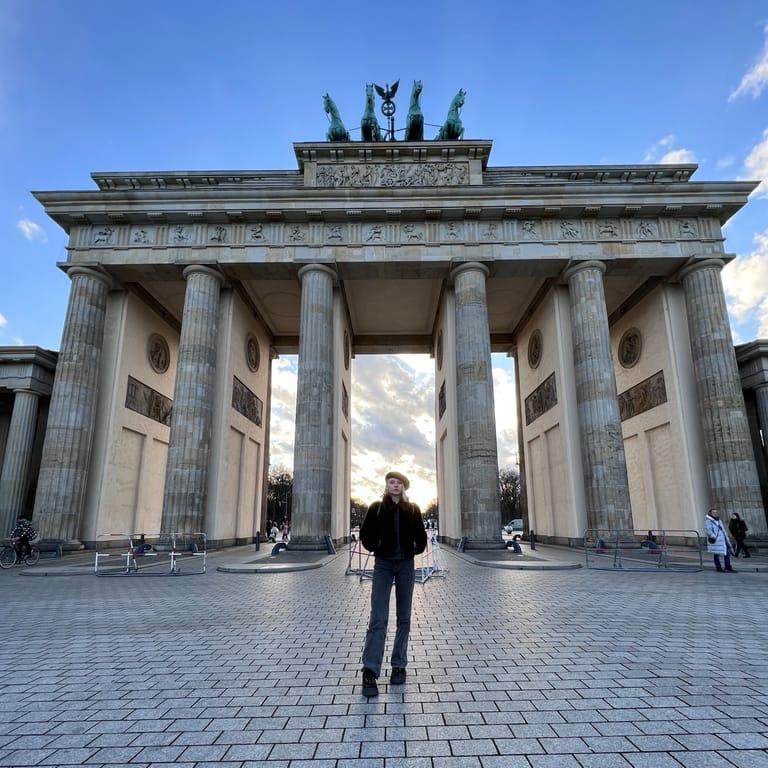
explore berlin's iconic berlin wall at potsdamer platz Berlin Wall at Potsdamer Platz
The Story of the Berlin Wall
The Berlin Wall, a monumental symbol of division, was erected in 1961 by the German Democratic Republic to prevent East Berliners from fleeing to the West. This concrete barrier not only separated families but also became a powerful emblem of the Cold War. Its fall on November 9, 1989, marked a pivotal moment in history, leading to the reunification of Germany and a new era of freedom.
Milestones and Growth
- 1961: Construction of the Berlin Wall begins.
- 1989: The Berlin Wall falls, leading to German reunification.
- 1990s: Sections of the Wall are preserved as historical landmarks.
Cultural and Local Influence
The Berlin Wall's presence profoundly shaped the cultural landscape of Berlin. It influenced art, music, and literature, serving as a canvas for expression and protest. The community's resilience and creativity flourished in the shadow of the Wall, leading to a vibrant street art scene that continues to thrive today.
People Behind the Legacy
Key figures in the Berlin Wall's history include political leaders, activists, and ordinary citizens who fought for freedom. Their stories of courage and determination continue to inspire generations, reminding us of the importance of unity and peace.
Evolution and Modern Era
Since its fall, the Berlin Wall has transformed from a symbol of division to one of unity and resilience. Today, it stands as a reminder of the past, while also representing the hope for a better future. The Wall's remnants are integrated into the urban fabric of Berlin, attracting visitors from around the world.
Continuing the Tradition
The legacy of the Berlin Wall continues to resonate in the hearts of those who visit. It serves as a powerful reminder of the importance of freedom and the strength of community. As Berlin moves forward, the Wall remains a central part of its identity, inspiring future generations to cherish their history.
Berlin Wall at a glance
The Berlin Wall, a historic symbol of division, stands at Potsdamer Platz in Berlin, Germany. This iconic structure once separated East and West Berlin from 1961 to 1989, and today, it serves as a poignant reminder of the past. Visitors can explore its remnants and learn about its significance in shaping modern Berlin.
Pros
- Rich historical significance
- Educational exhibits that provide context
- Accessible location in Mitte
Cons
- Limited capacity for large groups
- Potentially crowded during peak hours
Ideal for
History enthusiasts, families, and tourists seeking to understand the impact of the Cold War will find the Berlin Wall a compelling destination.
Things to know before visiting
Plan your visit during weekdays for a quieter experience. The site is family-friendly, making it suitable for children.
Overall impression
The Berlin Wall is not just a remnant of the past; it's a powerful narrative of resilience and change. A visit here is essential for anyone wishing to grasp the complexities of Berlin's history.
Explore the Berlin Wall at Potsdamer Platz in Berlin, Germany.
Standing tall in the heart of Berlin, the Berlin Wall is not just a remnant of the past but a poignant testament to the city's tumultuous history. Once a concrete barrier that divided East and West Berlin from 1961 to 1989, it symbolizes the ideological rift of the Cold War. Today, it serves as a powerful reminder of resilience and unity, drawing millions of visitors eager to learn about its profound significance.
What to Expect at the Berlin Wall Exhibit.
Visitors can walk alongside the original remains of the Berlin Wall, surrounded by poignant historical images and narratives that breathe life into the stories of those who experienced its impact. One review notes how the exhibit delivers a powerful experience, emphasizing the transformation of Berlin and the significance of its history.
- Powerful historical narratives that tell the story of Berlin's divided past.
- Emotional connections through personal stories shared by visitors.
- A visual feast of murals and graffiti that reflect the vibrant culture of Berlin.
Visiting Tips for History Enthusiasts.
To fully appreciate the significance of the Berlin Wall, visitors should allocate enough time to explore the exhibit. The emotional weight of the stories and visual displays provides a unique insight into a pivotal moment in history. It's an experience not to be missed, especially for those passionate about understanding the complexities of Berlin's past.
Good for Families and Children.
The Berlin Wall site is a family-friendly destination where children can learn about history in an engaging way. With interactive displays and educational materials, it's a fantastic opportunity to instill an appreciation for history in younger generations.