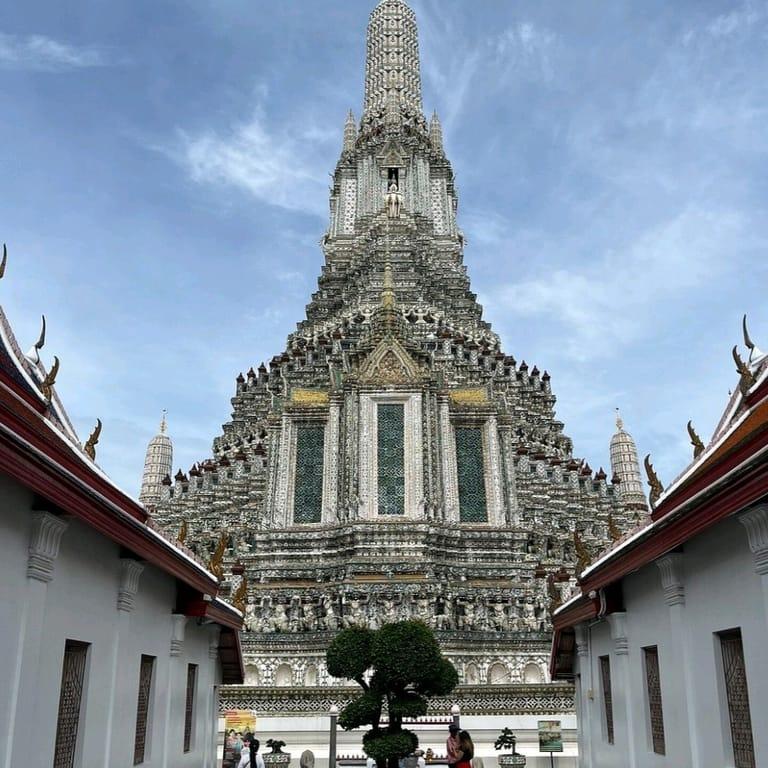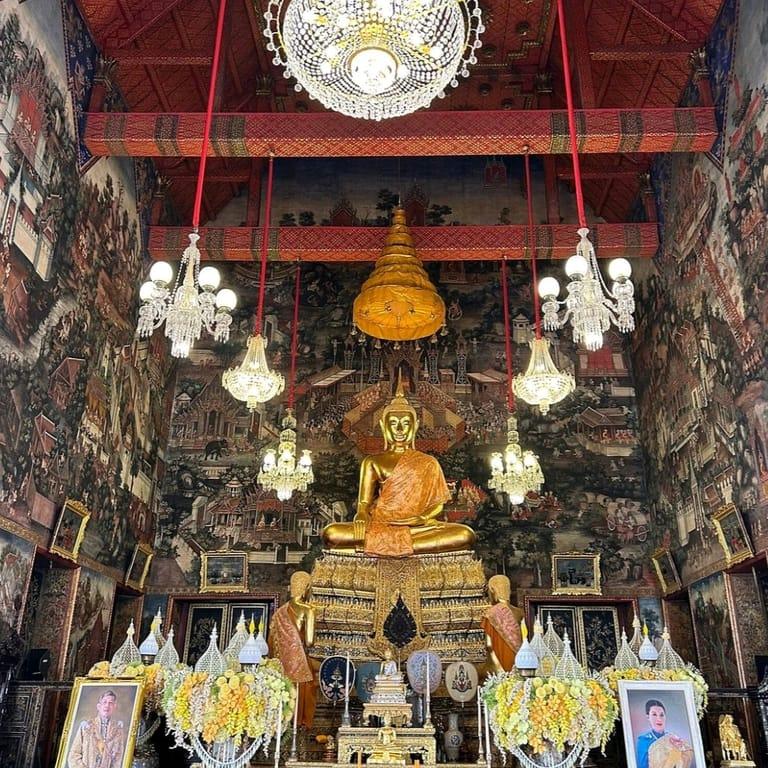
Explore the majestic Wat Arun temple in Bangkok
Nestled along the scenic Chao Phraya River, Wat Arun Ratchawararam Ratchawaramahawihan, popularly known as the Temple of Dawn, is a breathtaking jewel of Bangkok's cultural landscape. This monumental Buddhist temple captivates visitors with its iconic ornately tiled central prang (spire) towering skyward, reflecting exquisite craftsmanship and spiritual significance.
Visitors are enchanted by the temple’s intricate porcelain shard decorations and steep staircases that invite an adventurous climb. From the top, panoramic views of the city and river unfold, offering a unique perspective of Bangkok’s vibrant life. Whether you’re a history buff, a photography enthusiast, or a cultural explorer, Wat Arun promises a memorable experience steeped in tradition and stunning visual beauty.
Highlights and visitor experience
Wat Arun stands out not only for its architectural grandeur but also for the lively atmosphere created by visitors immersing themselves in Thai culture. Many tourists delight in renting traditional Thai costumes to capture vibrant photos against the temple’s ornate backdrop. The riverside setting enhances the temple’s serene aura, especially during the magical hours of sunset.
- Iconic architecture featuring intricate porcelain details and towering spires.
- Stunning riverside location that enhances peaceful ambiance and photo opportunities.
- Traditional Thai costume rentals for unique cultural photo experiences.
- Steep climb to central prang offering panoramic views of Bangkok and the river.
Tips for visiting Wat Arun
To fully enjoy your visit to Wat Arun, plan to arrive early in the morning or during late afternoon hours. These times allow you to avoid the busiest crowds and experience the temple in cooler, more comfortable weather. The temple grounds are spacious but can feel crowded during peak hours, especially when tourists dress in elaborate Thai costumes for photos.
Entrance for foreign visitors is 200 Thai Baht, and a small ferry ride costing 5 baht each way from across the river makes the temple feel like a special riverside adventure. Remember to wear modest clothing covering your shoulders and knees; sarongs are available for rent at the entrance for added convenience. Also, be cautious as some stairways are steep and lack railings — suitable for visitors with good mobility.
Frequently asked questions
- What is the best time to visit Wat Arun? Early morning or late afternoon is recommended to avoid crowds and enjoy cooler temperatures.
- Is there an entrance fee for Wat Arun? Yes, the entrance fee for foreign visitors is 200 Thai Baht.
- What should I wear when visiting Wat Arun? Visitors should dress modestly, covering shoulders and knees. Sarongs are available for rent at the entrance if needed.
- Can I climb the central prang? Yes, visitors can climb the steep stairs of the central prang for panoramic views of Bangkok.
- Are there any nearby attractions to visit? Yes, nearby attractions include Wat Pho, the Grand Palace, and Chao Phraya River cruises.
community sentiment summary
Positive
Visitors consistently praise Wat Arun for its stunning architecture and rich history. The serene riverside atmosphere and photogenic features make it a favorite for cultural enthusiasts and photographers alike. Many recommend arriving early to savor the tranquility before the crowds arrive and embrace the fun of traditional Thai costume rentals for unique photo memories. The temple’s illumination at night adds a magical touch that leaves lasting impressions.