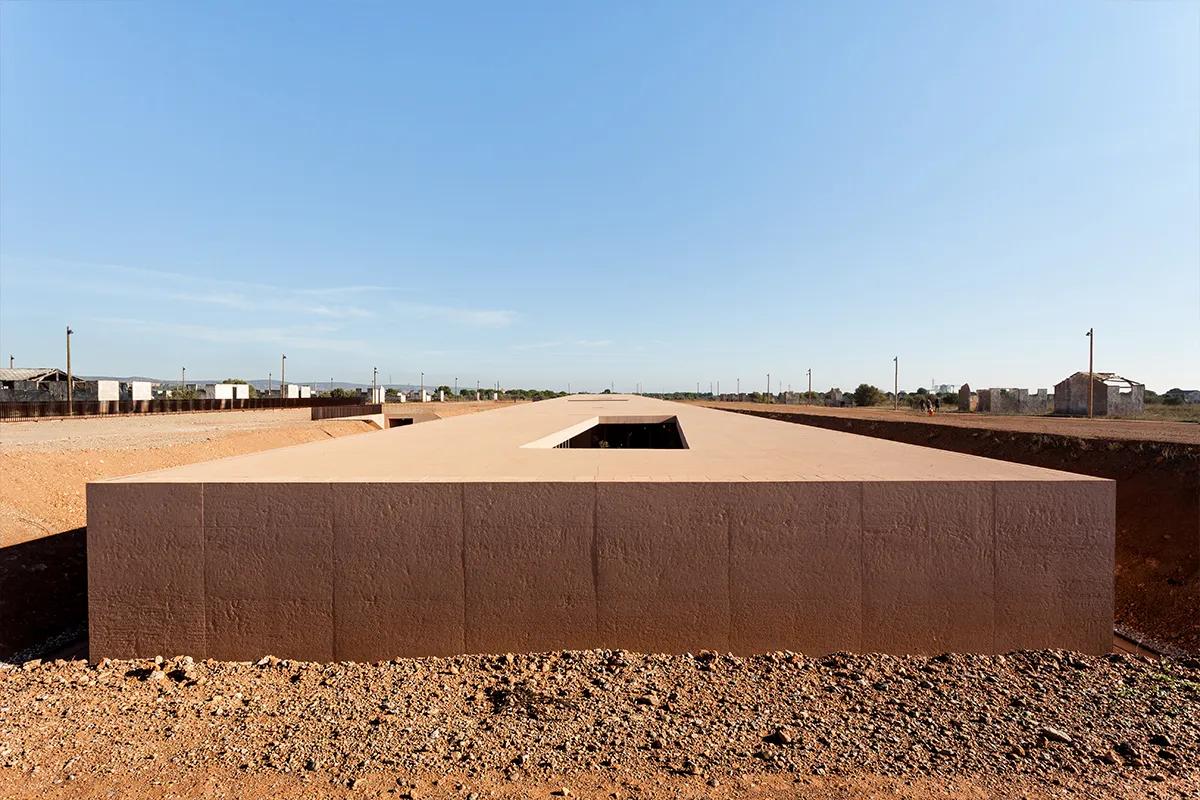
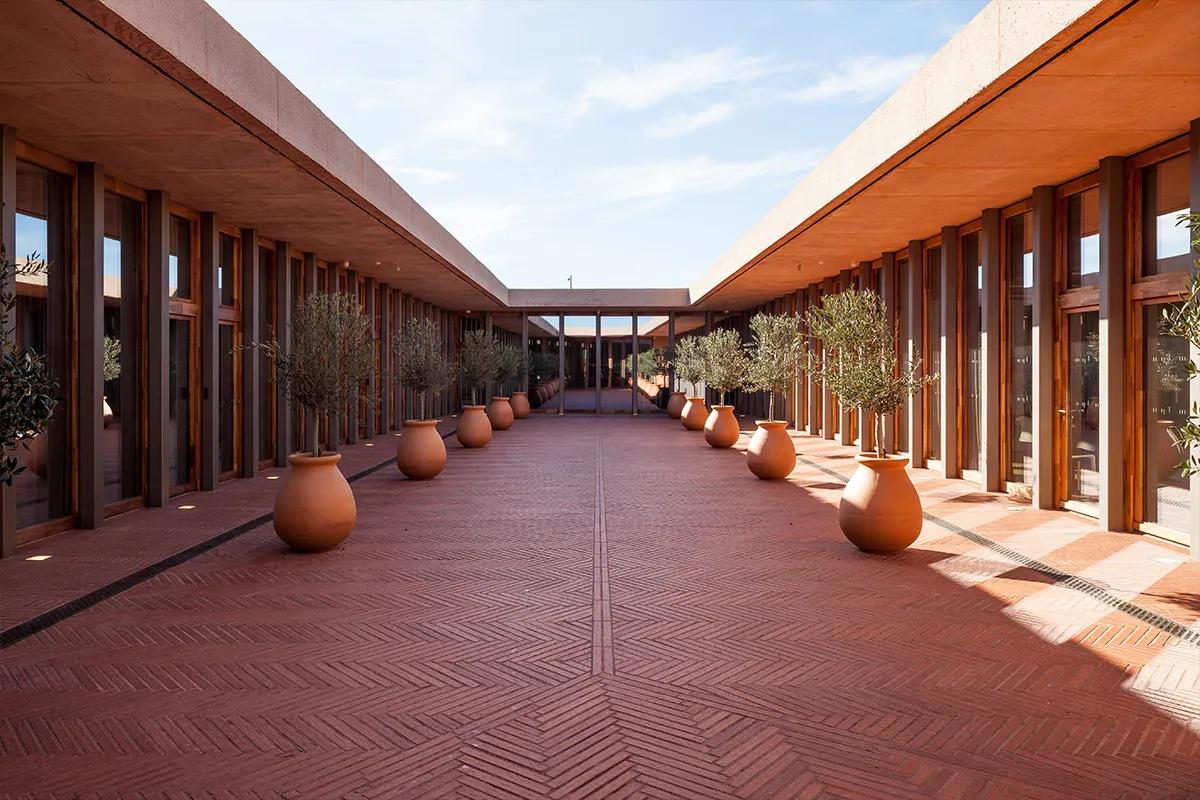
位于法国西南部的斯尔塞勒-勒沙托(Salses-le-Château),Rivesaltes战俘营纪念馆是一处令人深思的历史教育圣地。作为一座集博物馆与纪念场所于一体的景点,它生动讲述了二战及战后时期的艰难历史,让访客在沉思中感受到战争的沉重与和平的宝贵。
Nestled in the southern French town of Salses-le-Château, the Camp de Rivesaltes Memorial stands as a poignant reminder of some of the darkest chapters of 20th-century history. Opened in 2015, this memorial pays tribute to the complex past of the Rivesaltes camp, a site that witnessed multiple waves of forced population movements, reflecting the turbulent socio-political landscape of Europe and North Africa over several decades.
The origins of the Rivesaltes camp date back to 1939, when it was initially established as a military training center amid the rising tensions preceding World War II. However, its role rapidly evolved as Europe plunged into conflict and upheaval. By 1941, the camp had transformed into a principal internment site housing Spanish Republicans fleeing the Spanish Civil War, alongside foreign Jews and Romani (Gypsy) populations, who were unjustly detained during the Holocaust era.
In 1944, the camp's use shifted again as it became a German prisoner-of-war camp, reflecting the continued strategic importance of the site during the latter stages of World War II. Following the war, the camp did not fall into disuse but adapted to new historical realities. In 1947, it served as a transit camp for the Harkis—Algerian Muslims who fought alongside French forces during the Algerian War—and their families, providing a temporary refuge amid the complex post-colonial migrations. This period underscores the camp’s role in the broader narratives of displacement and colonial legacies.
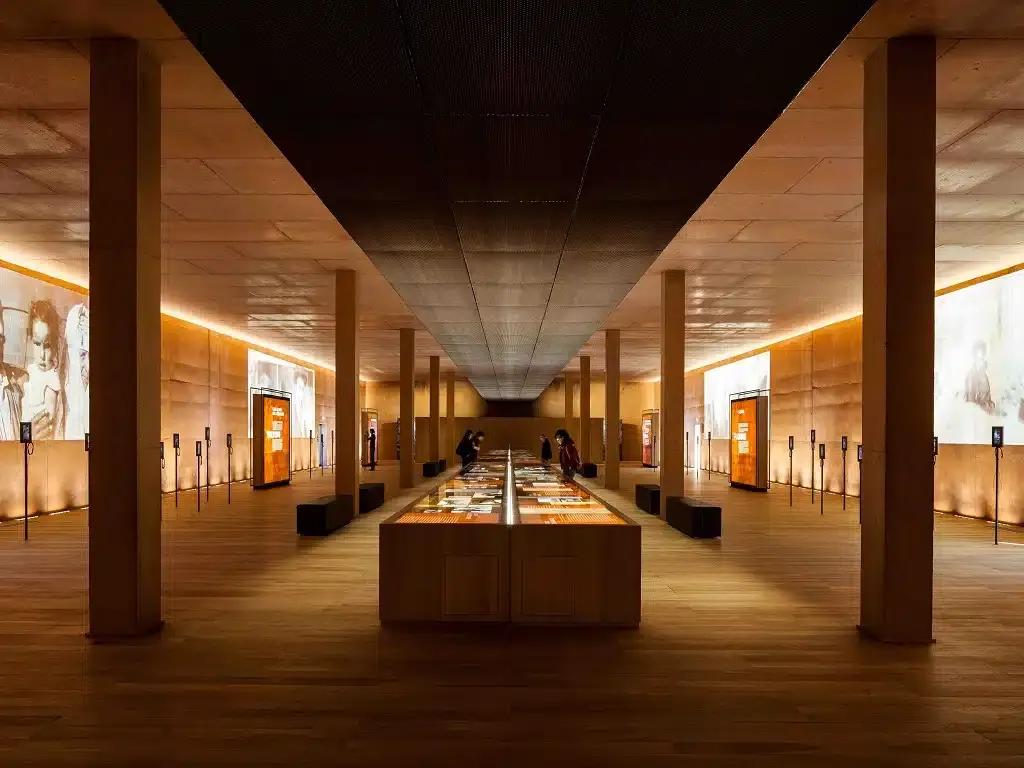
Today, the Memorial du Camp de Rivesaltes offers visitors a thoughtfully curated experience that combines historical exhibits, personal stories, maps, and diaries to illuminate the human experiences behind the dates and facts. The memorial is not only a place of remembrance but also a vital educational resource that encourages reflection on forced migrations, internment, and resilience. Visitors have praised its comprehensive and emotional presentation, describing it as a necessary visit for those seeking to understand the enduring impact of these historical events.
- 1939: Establishment of the camp as a military training center.
- 1941: Conversion into an internment camp for Spanish Republicans, foreign Jews, and Gypsies.
- 1944: Functioned as a German prisoner-of-war camp.
- 1947: Became a transit camp for Harkis and their families after the Algerian War.
- 2015: Inauguration of the Memorial du Camp de Rivesaltes.
Located in Salses-le-Château, France, the Camp de Rivesaltes Memorial stands as a poignant reminder of a dark chapter in history. This museum, established on the site of a former internment camp, offers visitors a profound insight into the experiences of those who suffered during the 20th century. With its informative and emotional exhibits, the memorial serves not only as a historical site but also as a space for reflection and education.
- Informative and emotional exhibits
- Well-preserved historical site
- Educational value
- Limited English explanations
This memorial is ideal for history enthusiasts, students, and anyone looking to understand the complexities of human rights and history. It serves as a significant educational resource for school trips and cultural visits.
Visitors should be aware that while the exhibits are well-curated, many are presented in French. It is advisable to check for guided tours that may offer English explanations. The memorial is also air-conditioned, providing a comfortable environment during warmer months.
The Camp de Rivesaltes Memorial is a must-visit for those interested in history and human rights. Its emotional and educational exhibits provide a profound understanding of the past, making it a significant cultural landmark in Salses-le-Château.
Located on avenue Christian Bourquin in the charming town of Salses-le-Château, the Camp de Rivesaltes Memorial is a poignant museum and tourist attraction dedicated to preserving the memory of one of the darkest chapters in French history. This site, originally a refugee camp and later a concentration camp for various displaced groups in the 1930s and 40s, has been thoughtfully preserved to educate visitors about the human stories behind the history. Its air-conditioned interiors offer a comfortable refuge on hot days, making it an inviting stop for history enthusiasts and travelers alike.
Whether you prefer to explore independently or guided by an expert, Camp de Rivesaltes Memorial offers several ways to experience its rich and emotional exhibits. Each option provides a unique lens into the camp’s history and the lives that were forever changed within its walls.
- Self-guided visit with video guide: For just 9.5 EUR, discover the Memorial at your own pace using the video guide 'The Voices of the Memorial', which immerses you in the stories of those affected during a two-hour journey.
- Guided visits: Engage with knowledgeable guides who speak Spanish, Catalan, and English. Tours are tailored for groups, priced at 150 EUR, and provide deep insights into the camp’s history.
- Twin ticket with Salses Fortress: For 14 EUR, gain four days’ access to both this Memorial and the nearby impressive Salses Fortress — a perfect combo for history buffs exploring the region.
Visitors consistently praise the Memorial for its powerful storytelling, vivid displays, and careful preservation of history. Walking through the site’s remains and exhibits offers a deep emotional experience that encourages reflection on human rights and resilience. The Memorial serves not only as a museum but also as a solemn reminder of the past, making it an essential stop for travelers interested in European history and cultural heritage.
- Educational and emotional: Highly detailed exhibits that shed light on the camp’s history and the personal stories of those interned.
- Comfort and accessibility: Air-conditioned spaces and multilingual guided tour options make the visit accessible and comfortable for diverse visitors.
- Location and combined experiences: Situated in the picturesque Occitanie region, close to other historic sites like the Salses Fortress, perfect for enriching your cultural itinerary.