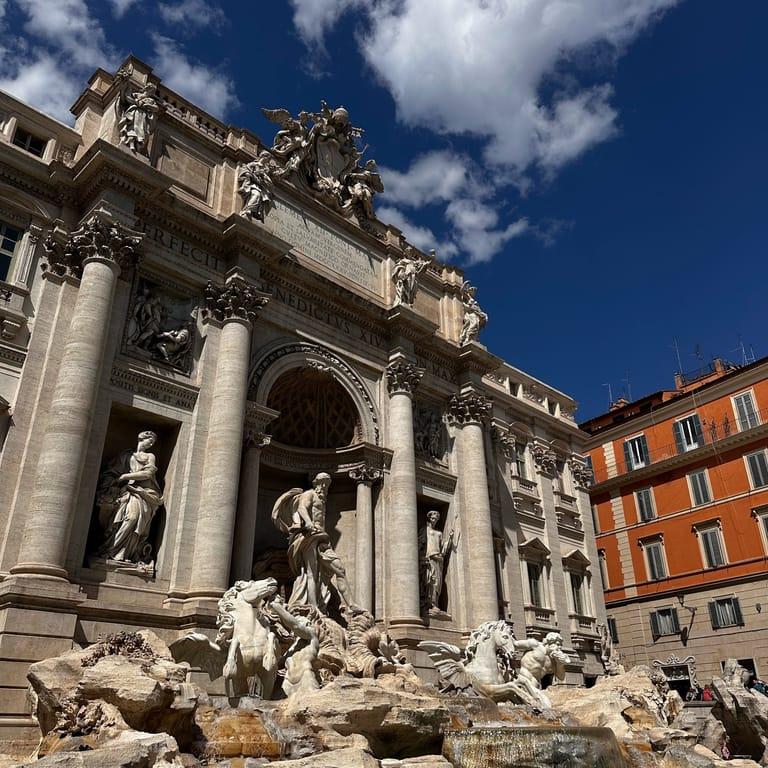
位于意大利首都罗马的特雷维喷泉是一处不可错过的历史瑰宝,以其壮丽的巴洛克建筑风格和令人惊叹的水景吸引着来自世界各地的游客。作为罗马最具代表性的地标之一,喷泉不仅展现了精湛的艺术工艺,还蕴含着丰富的文化传统。
为了在拥挤的人潮中享受这座古老喷泉的宁静,建议游客选择清晨或黄昏时段前往,此时的特雷维喷泉宛如一幅静谧的画卷,令人心旷神怡。
- 喷泉免费开放,全天候对公众开放,无需门票。
- 游客传统上会将硬币从左肩扔入喷泉,象征着许愿和希望再次访罗马。
- 虽然可以饮用喷泉中的水,但建议不要这么做,因为水是循环使用的,可能不太安全。
- 由于阶梯设计,轮椅通行有限制,行动不便的游客需提前做好准备。
游客普遍对特雷维喷泉的美丽和历史价值给予高度评价,尤其是夜晚灯光点缀下的喷泉更添神秘浪漫。然而,游客们也提到,旺季时的人流可能会影响体验。
Nestled in the heart of Rome's historic center, the Trevi Fountain stands as a breathtaking Baroque masterpiece and an emblem of the Eternal City's rich heritage. This iconic landmark, located at Piazza di Trevi, marks the grand terminus of the ancient Aqua Virgo aqueduct, a vital water source commissioned by Emperor Augustus in 19 BCE to supply fresh water to Rome's inhabitants.
The fountain as we admire it today was conceived in 1732 when Pope Clement XII commissioned renowned architect Nicola Salvi to design a monumental fountain to celebrate Aqua Virgo. Salvi's vision embraced a dramatic Baroque style, complete with sculpted figures representing Oceanus and sea creatures, capturing the theatrical spirit of 18th-century art. Although Salvi passed away in 1751 before its completion, Giuseppe Pannini carried on the work, culminating in the fountain's grand inauguration in 1762.
Throughout its nearly three-century existence, the Trevi Fountain has undergone several significant restorations to preserve its beauty and structural integrity. In 1988, the first major restoration addressed discoloration caused by urban smog, revitalizing its brilliant travertine marble facade. A decade later, in 1998, repairs tackled emerging cracks and deterioration. Most recently, a €2.2 million restoration sponsored by the luxury fashion house Fendi between 2013 and 2015 enhanced the fountain's illumination and reinstated its intricate details, ensuring that this magnificent work of art continues to inspire visitors worldwide.
The Trevi Fountain is more than a stunning architectural marvel; it is a symbol of Rome's timeless charm and the rich tapestry of its history. Visitors flock to this enchanting spot to marvel at the dynamic sculptures and the soothing cascade of water, which creates an almost magical ambiance. A beloved tradition invites travelers to toss a coin over their shoulder into the fountain's waters, a ritual said to guarantee a return to the Eternal City.
- Ancient aqueduct roots – Built upon the Aqua Virgo aqueduct commissioned by Emperor Augustus in 19 BCE.
- Baroque design – Designed by Nicola Salvi and completed by Giuseppe Pannini in 1762.
- Restoration efforts – Multiple restorations have preserved its glowing façade, including a major 2013-2015 project sponsored by Fendi.
- Visitor traditions – The famous coin toss ritual symbolizes a promise to return to Rome.
Nestled in the heart of Rome, the Trevi Fountain stands as a testament to Baroque architecture and artistic brilliance. Created by architect Nicola Salvi and completed in 1762, this aqueduct-fed fountain features intricate sculptures that captivate visitors from around the globe. Whether during the day with sunlight glimmering on the water or at night when it’s beautifully illuminated, the Trevi Fountain offers an enchanting atmosphere.
- Stunning Baroque architecture
- Rich historical significance
- Free admission
- Open 24 hours
- Tradition of coin tossing for good luck
- Beautifully illuminated at night
- Central location in Rome
- Close to other major attractions
- Can be very crowded, especially during peak tourist seasons
- Not wheelchair accessible due to stairs
- Swimming in the fountain is prohibited
- Pickpockets may be present in crowded areas
The Trevi Fountain is ideal for visitors seeking to immerse themselves in Rome's rich history and architecture. It's perfect for couples looking for a romantic setting, families wanting to experience a piece of Italian culture, and solo travelers capturing memorable photographs of one of the most iconic landmarks in the world.
Visitors should be aware that the Trevi Fountain can be particularly crowded during peak tourist seasons. It is best to visit early in the morning or late in the evening to savor its beauty with fewer people around. Moreover, it is important to respect the regulations, such as not swimming in the fountain or drinking its water.
In conclusion, the Trevi Fountain is not just a tourist attraction; it embodies the artistic and cultural essence of Rome. Despite some drawbacks such as crowding and accessibility challenges, its stunning beauty and historical significance make it a must-visit destination. Don't forget to toss a coin for good luck and enjoy the experience of being part of a rich tradition.
- What is the best time to visit
- The best time to visit is early morning or late evening to avoid crowds.
- Is it wheelchair accessible
- No, the Trevi Fountain is not wheelchair accessible due to stairs.
探访意大利罗马的地标性景点——特雷维喷泉,这是全球最著名的巴洛克风格喷泉之一,吸引着无数游客前来投币许愿。'}]}]}, {