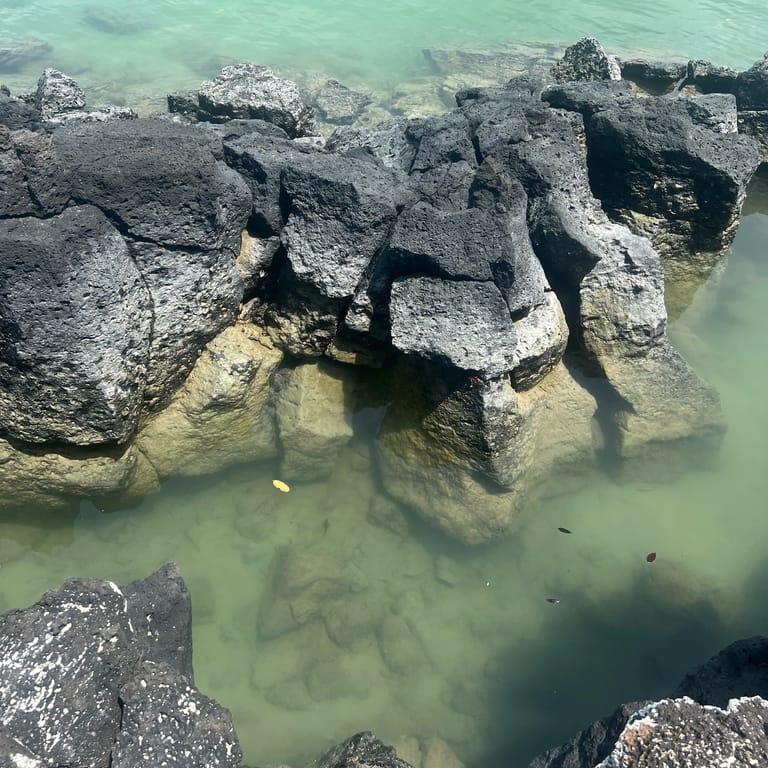
位于厄瓜多尔的胡恩波亚市,加拉帕戈斯群岛是自然爱好者和冒险者的梦想之地。这片被联合国教科文组织列为世界遗产的群岛,以其独特的野生动物和壮观的火山景观而闻名。无论是与海狮共泳、观察巨型乌龟,还是在洁白的海滩上放松,这里都能提供难忘的体验。
最佳的访问时间是每年的六月到九月以及十二月到一月,此时天气宜人,动物活动频繁。
许多餐厅提供素食和纯素菜肴,例如绿色炸弹和土豆饼,让不同饮食偏好的游客都能找到心仪的美味。
与海狮共泳是这里一项令人兴奋的体验,通常安全且深受游客喜爱。
所有访客在抵达时都需要取得旅游通行证和缴纳入场费,以支持当地的保护工作。
建议在出行前咨询医生关于疫苗接种的建议,并准备晕船药物,尤其是对晕动症敏感的游客。
游客们普遍对加拉帕戈斯的独特野生动物、壮丽景观以及丰富的文化体验给予高度评价。这里是观察巨型乌龟、海狮以及探索火山地貌和原始海滩的理想之地。
Nestled in the Pacific Ocean and part of Ecuador, the Galápagos Islands hold a significant place in natural and human history. These islands are renowned for their exceptional biodiversity and ecological importance, drawing scientists, nature lovers, and curious travelers alike from around the globe.
The Galápagos Islands were first discovered in 1535 by Spanish bishop Tomás de Berlanga during a voyage that unexpectedly led him to these remote volcanic islands. For centuries afterward, the islands remained largely untouched by human colonization, preserving their unique ecosystems. In 1832, Ecuador officially claimed the archipelago, recognizing its strategic and environmental value. This marked the beginning of efforts to govern and protect the islands under national jurisdiction.
Recognizing the islands’ irreplaceable natural heritage, the Galápagos National Park was established in 1959, protecting 97% of its land area from development and exploitation. This early conservation initiative helped safeguard the habitats of iconic species such as the giant tortoise and marine iguana. The islands’ global significance was further acknowledged in 1978 when they were designated a UNESCO World Heritage Site, underscoring their value as a living laboratory of evolution. However, by 2007, due to increasing environmental pressures, including invasive species and human impact, the Galápagos were placed on the UNESCO List of World Heritage Sites in Danger.
Significant conservation efforts over the following years led to their removal from the danger list in 2010, restoring hope for the islands’ future preservation.
Today, the Galápagos Islands are celebrated worldwide for their role in shaping Charles Darwin’s theory of evolution, serving as a natural classroom for scientists and eco-tourists. The unique wildlife and pristine environments continue to inspire and educate visitors. Yet, the archipelago faces ongoing challenges from environmental threats and the delicate balance between tourism and conservation. Efforts to maintain this extraordinary ecosystem remain crucial to protect this natural wonder for generations to come.
- 1535: Spanish bishop Tomás de Berlanga discovered the Galápagos Islands.
- 1832: Ecuador claimed the Galápagos Islands.
- 1959: The Galápagos National Park was established, covering 97% of the land area.
- 1978: The Galápagos Islands were designated as a UNESCO World Heritage Site.
- 2007: The islands were added to the UNESCO List of World Heritage Sites in Danger due to environmental threats.
- 2010: The islands were removed from the UNESCO List of World Heritage Sites in Danger after significant conservation efforts.
The Galapagos Islands, located in Ecuador, offer a unique blend of stunning landscapes and rich biodiversity. Known for their unique wildlife and historical significance, these islands are a must-visit for nature enthusiasts and history buffs alike.
Visitors can explore the fascinating ecosystems that inspired Charles Darwin's theory of evolution. With fresh seafood and traditional Ecuadorian dishes, the culinary experience is equally captivating.
The islands are not just a destination; they are a living museum of evolution, making them a significant site for both education and enjoyment.
- Unique wildlife, including giant tortoises and marine iguanas.
- Stunning landscapes with breathtaking views.
- Rich cultural experiences reflecting Ecuadorian heritage.
- Fresh seafood and traditional Ecuadorian dishes available.
- Additional charges may apply for certain activities.
- Strict conservation regulations may limit access.
Nature lovers, families, and history enthusiasts will find the Galapagos Islands an unforgettable experience.
Plan your visit well in advance, as accommodations can fill up quickly during peak seasons. Be prepared for varying weather conditions and pack accordingly.
The Galapagos Islands offer an unparalleled experience that combines natural beauty with historical significance. While there are some limitations, the rewards of visiting this unique destination far outweigh any drawbacks.
加拉帕戈斯群岛位于厄瓜多尔,是一个充满神奇生物和绝佳探险体验的海洋天堂。无论你是热爱野生动物、寻求刺激还是喜欢悠闲的海上活动,这里都能满足你的所有期待。
无论你是渴望近距离观察野生动物,还是喜欢探索海底世界,加拉帕戈斯群岛都能为你开启一段难忘的奇妙旅程。