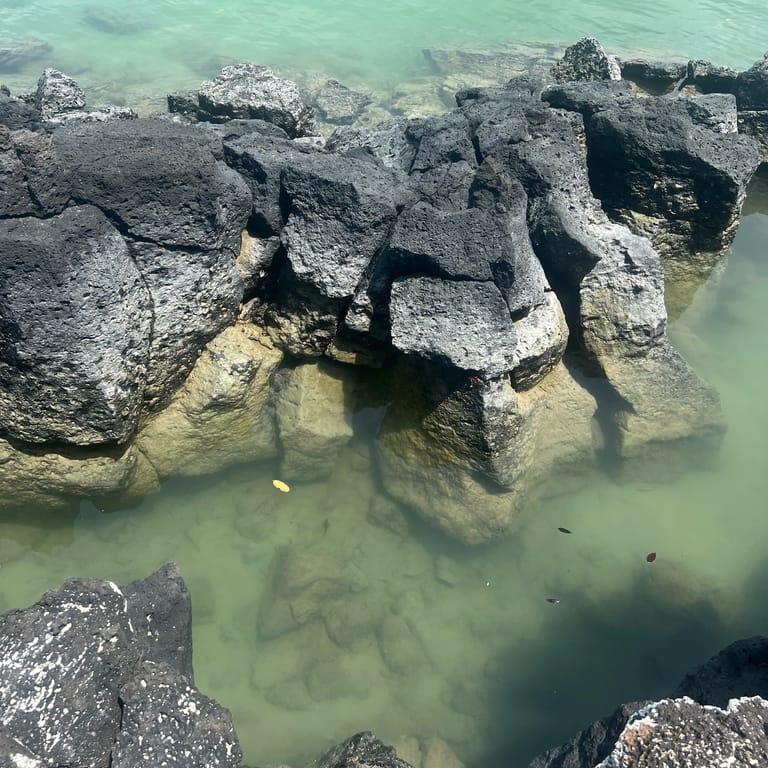
Nestled in the Pacific Ocean off the coast of Ecuador, the Galápagos Islands stand as a breathtaking archipelago renowned worldwide for their extraordinary biodiversity and pristine natural beauty. This UNESCO World Heritage site captivates travelers, nature enthusiasts, and researchers alike with its unique wildlife and landscapes that have inspired groundbreaking scientific discoveries, including Charles Darwin's theory of evolution.
From the iconic giant tortoises—some of which have lived for more than a century—to the marine iguanas basking on sun-warmed rocks, and the whimsical blue-footed boobies performing their elaborate mating dances, the Galápagos offers visitors unforgettable, close-up wildlife encounters. The islands host a delicate ecosystem where animals exhibit remarkable evolutionary traits found nowhere else on Earth.
The Galápagos Islands are committed to conservation and sustainable tourism, ensuring these natural treasures endure for generations. Visitors are encouraged to respect park regulations, which protect fragile habitats and species. While some travelers note that accommodations and activities can be costly due to the islands’ remote location and preservation efforts, these expenses contribute to protecting this extraordinary environment.
- Santa Cruz Island: Home to the Charles Darwin Research Station and giant tortoise reserves.
- Isabela Island: Known for its volcanic landscapes and diverse marine life, including penguins and rays.
- San Cristóbal Island: Offers stunning beaches like German Beach, perfect for snorkeling with turtles and rays.
- What is the best time to visit the Galápagos Islands? The most popular time to visit is during the warm season from December to May, when weather is favorable and wildlife is active.
- What currency is used? The US Dollar is the official currency, as on mainland Ecuador.
- Are credit cards widely accepted? Many hotels and shops accept cards but carrying cash is advisable for smaller vendors.
- What are the entry requirements? Visitors pay a $200 National Park entrance fee per adult, $100 for children under 12, plus a $20 Transit Control Card before arrival.
- Is it safe to travel there? The islands are generally safe, but visitors should take standard precautions, such as safeguarding valuables.
To make the most of your trip, pack light layers, sturdy walking shoes, swimwear, sunscreen, a wide-brimmed hat, and a reusable water bottle. Evenings can be cool, so a light jacket or sweater is recommended. Don't forget binoculars and an underwater camera to capture the spectacular wildlife and seascapes.
The Galápagos Islands are truly a natural wonder, celebrated for their extraordinary wildlife and commitment to conservation. Travelers consistently share their awe at the rare and intimate encounters with species like giant tortoises and marine iguanas, calling their experiences "beyond words." While the islands face challenges such as environmental threats and high costs, visitors appreciate the ongoing protections that help preserve this unique ecosystem. Whether you're a naturalist, a curious explorer, or simply seeking stunning beaches and crystal-clear waters, the Galápagos offer an unforgettable journey into the heart of evolution and nature’s resilience.
Nestled in the Pacific Ocean and part of Ecuador, the Galápagos Islands hold a significant place in natural and human history. These islands are renowned for their exceptional biodiversity and ecological importance, drawing scientists, nature lovers, and curious travelers alike from around the globe.
The Galápagos Islands were first discovered in 1535 by Spanish bishop Tomás de Berlanga during a voyage that unexpectedly led him to these remote volcanic islands. For centuries afterward, the islands remained largely untouched by human colonization, preserving their unique ecosystems. In 1832, Ecuador officially claimed the archipelago, recognizing its strategic and environmental value. This marked the beginning of efforts to govern and protect the islands under national jurisdiction.
Recognizing the islands’ irreplaceable natural heritage, the Galápagos National Park was established in 1959, protecting 97% of its land area from development and exploitation. This early conservation initiative helped safeguard the habitats of iconic species such as the giant tortoise and marine iguana. The islands’ global significance was further acknowledged in 1978 when they were designated a UNESCO World Heritage Site, underscoring their value as a living laboratory of evolution. However, by 2007, due to increasing environmental pressures, including invasive species and human impact, the Galápagos were placed on the UNESCO List of World Heritage Sites in Danger.
Significant conservation efforts over the following years led to their removal from the danger list in 2010, restoring hope for the islands’ future preservation.
Today, the Galápagos Islands are celebrated worldwide for their role in shaping Charles Darwin’s theory of evolution, serving as a natural classroom for scientists and eco-tourists. The unique wildlife and pristine environments continue to inspire and educate visitors. Yet, the archipelago faces ongoing challenges from environmental threats and the delicate balance between tourism and conservation. Efforts to maintain this extraordinary ecosystem remain crucial to protect this natural wonder for generations to come.
- 1535: Spanish bishop Tomás de Berlanga discovered the Galápagos Islands.
- 1832: Ecuador claimed the Galápagos Islands.
- 1959: The Galápagos National Park was established, covering 97% of the land area.
- 1978: The Galápagos Islands were designated as a UNESCO World Heritage Site.
- 2007: The islands were added to the UNESCO List of World Heritage Sites in Danger due to environmental threats.
- 2010: The islands were removed from the UNESCO List of World Heritage Sites in Danger after significant conservation efforts.
The Galapagos Islands, located in Ecuador, offer a unique blend of stunning landscapes and rich biodiversity. Known for their unique wildlife and historical significance, these islands are a must-visit for nature enthusiasts and history buffs alike.
Visitors can explore the fascinating ecosystems that inspired Charles Darwin's theory of evolution. With fresh seafood and traditional Ecuadorian dishes, the culinary experience is equally captivating.
The islands are not just a destination; they are a living museum of evolution, making them a significant site for both education and enjoyment.
- Unique wildlife, including giant tortoises and marine iguanas.
- Stunning landscapes with breathtaking views.
- Rich cultural experiences reflecting Ecuadorian heritage.
- Fresh seafood and traditional Ecuadorian dishes available.
- Additional charges may apply for certain activities.
- Strict conservation regulations may limit access.
Nature lovers, families, and history enthusiasts will find the Galapagos Islands an unforgettable experience.
Plan your visit well in advance, as accommodations can fill up quickly during peak seasons. Be prepared for varying weather conditions and pack accordingly.
The Galapagos Islands offer an unparalleled experience that combines natural beauty with historical significance. While there are some limitations, the rewards of visiting this unique destination far outweigh any drawbacks.
Nestled in the crystalline waters of Ecuador, the Galapagos Islands offer travelers a rare glimpse into a living laboratory of evolution. This extraordinary archipelago, situated in Morona-Santiago’s Pablo Sexto area, is renowned worldwide for its unique biodiversity and pivotal role in shaping Charles Darwin's theory of natural selection. Visitors to this pristine destination can expect to encounter an array of endemic species, fascinating landscapes, and historical insights that connect us to the very origins of life.
At the heart of the Galapagos experience lies its legendary wildlife. From the famed giant tortoises, some of which have lived for over 170 years, to the playful sea lions and enchanting marine iguanas, every creature tells a story of adaptation and survival. Snorkelers and divers will delight in the crystal-clear waters off San Cristobal’s German beach and Chinese port, where encounters with manta rays, sharks, colorful fish, and turtles abound. These protected ecosystems offer unparalleled opportunities for nature lovers and photographers alike.
Beyond its remarkable fauna, the Galapagos Islands boast pristine beaches free from pollution, inviting visitors to relax and soak in the sun. The islands also serve as a living museum of evolutionary history, offering educational insights into humanity's origins and ecological preservation challenges. Travelers can immerse themselves in the narrative that inspired Darwin’s seminal work, making this destination a must-visit for science enthusiasts and curious explorers alike.
- Bring your sense of adventure – Whether you’re hiking volcanic landscapes or snorkeling among vibrant coral reefs, the islands offer unforgettable adventures for every traveler.
- Respect the fragile ecosystem – Follow local guidelines and support conservation efforts to help preserve this living treasure for generations to come.
- Visit with children – The Galapagos are great for family trips, offering educational and awe-inspiring experiences for kids and adults alike.